A landmark clinical trial conducted across China has demonstrated a revolutionary approach to treating one of the most lethal forms of liver cancer, achieving unprecedented results in patient survival rates. The study, published in the prestigious New England Journal of Medicine, reveals that a novel combination therapy administered before surgery can nearly double the period patients remain cancer-free compared to standard treatment protocols.
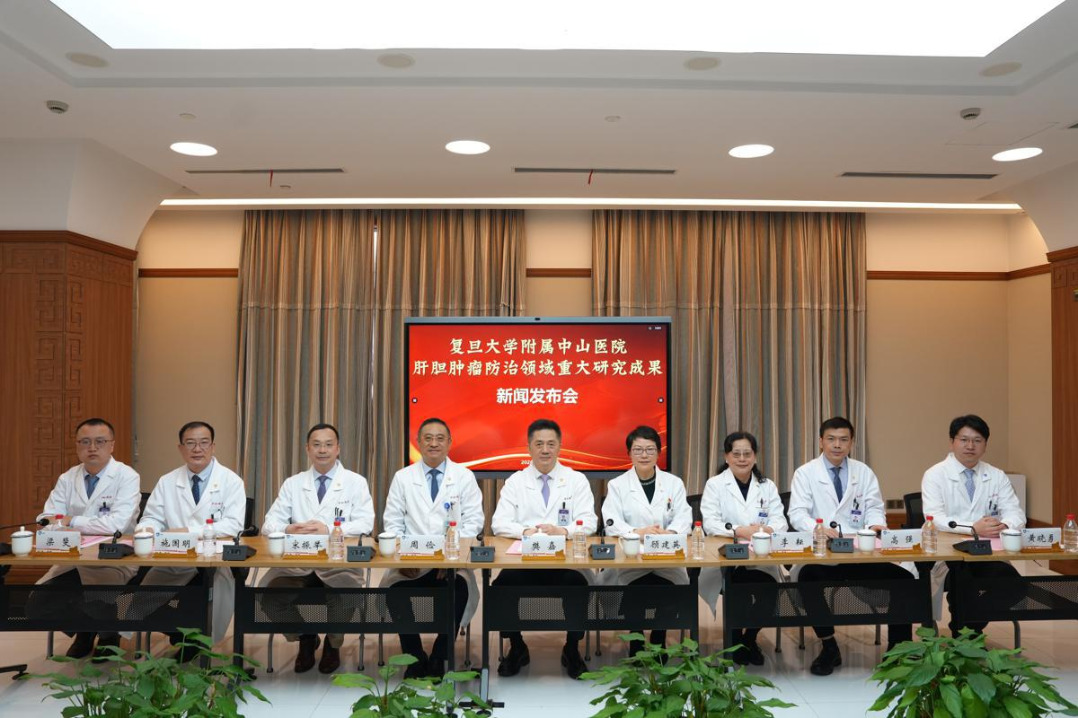
The research focused on intrahepatic cholangiocarcinoma (ICC), a particularly aggressive malignancy that originates in the bile ducts within the liver. This cancer type is notoriously difficult to detect early, often progressing silently until reaching advanced stages when treatment options become limited. The multicenter trial, spearheaded by Shanghai’s Zhongshan Hospital affiliated with Fudan University, involved 178 patients with a median age of 59 recruited from 11 medical institutions nationwide.
The innovative protocol employed a neoadjuvant approach, administering three cycles of Gemox chemotherapy combined with targeted therapy and immunotherapy agents before surgical intervention. This triple-threat strategy aims to shrink tumors significantly while priming the body’s immune system to recognize and combat cancer cells more effectively. The control group received immediate surgery, representing the conventional standard of care.
The results were striking: patients receiving the combined drug regimen achieved a median event-free survival of 18 months, more than double the 8.7 months observed in the surgery-only group. The objective response rate reached 55%, indicating more than half of patients experienced substantial tumor reduction or complete disappearance following the pretreatment protocol.
Notably, the 24-month overall survival rate showed promising improvement at 79% for the combination therapy group versus 61% for those undergoing surgery alone. These findings are particularly significant given ICC’s current five-year survival rate of just 25-40% post-surgery.
The research holds special importance for China, which bears more than half of the global ICC burden with over 50,000 new cases annually. The scientific team, having presented preliminary findings at the European Society for Medical Oncology’s 2024 annual meeting, now aims to validate these results through international collaboration, potentially establishing a new global standard for treating this devastating disease.