The Middle East conflict has entered a dangerous new phase with direct Israeli military strikes on the Iranian capital. Israel’s military confirmed Thursday it had “initiated large-scale strikes against Iranian terror infrastructure across Tehran,” marking a significant escalation in the ongoing regional warfare. Iranian media reported multiple explosions throughout the city, prompting activation of Iranian defense systems.
In simultaneous developments, Iran conducted missile strikes targeting Kurdish forces in Iraqi Kurdistan, resulting in casualties among exiled Iranian Kurdish groups. The cross-border attacks followed warnings from Iranian officials about pursuing opposition groups operating beyond Iran’s borders.
Lebanese media reported the targeted killing of senior Hamas official Wassim Atallah al-Ali and his wife in a drone strike on a Palestinian refugee camp near Tripoli. This represents the first confirmed assassination of a Hamas member since the recent escalation of US-Israeli operations against Iran.
Diplomatic tensions intensified as Iranian Foreign Minister Abas Araghchi warned the United States would “bitterly regret” sinking an Iranian naval vessel off Sri Lanka, characterizing the action as an atrocity that established dangerous precedents in international waters.
Australia joined the military mobilization, with Prime Minister Anthony Albanese confirming deployment of “military assets” to the region as contingency measures, reportedly including aircraft according to local media.
Further escalating matters, Iran launched additional missile barrages toward Israel, triggering alerts across multiple regions including Tel Aviv and Jerusalem. While explosions were reported, Israeli emergency services confirmed no casualties from the latest missile attacks.
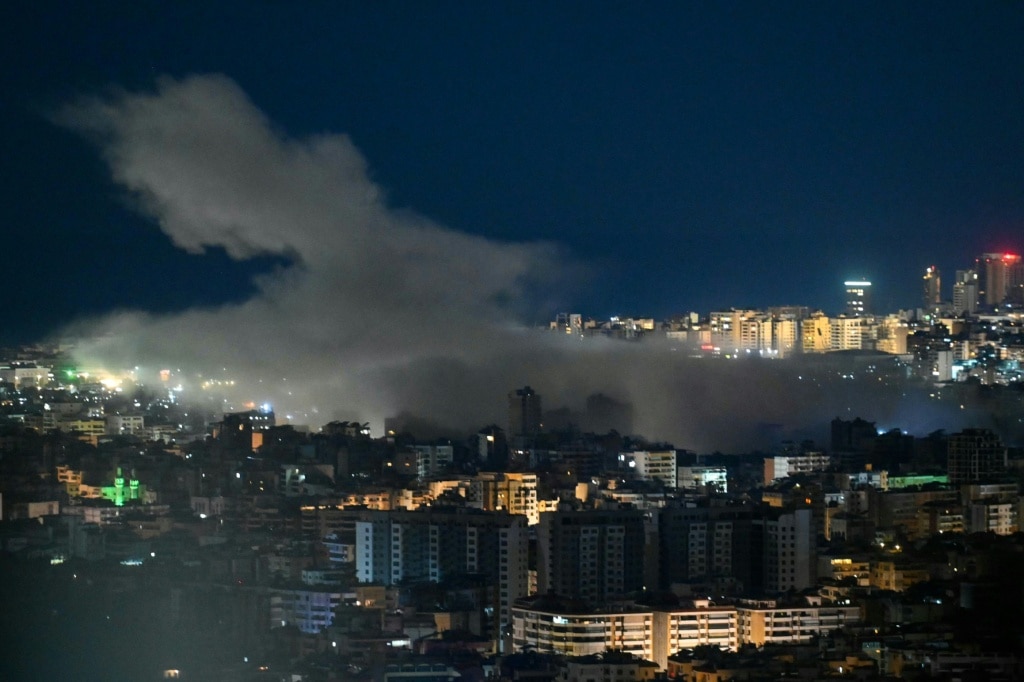
The conflict expanded geographically with an airstrike hitting Hezbollah’s stronghold in southern Beirut following Israeli warnings to residents. Separate Israeli strikes along Beirut’s airport highway killed three people according to Lebanon’s health ministry.
Maritime security concerns grew as UKMTO reported a “large explosion” striking a tanker off Kuwait’s coast, causing an oil spill and involving a suspicious small craft. Meanwhile, Omani forces rescued 24 crew members from a container ship struck by missiles in the strategically critical Strait of Hormuz, where Iranian forces claimed “complete control.”
Diplomatic efforts saw China announcing special envoy deployment to mediate the crisis, leveraging Beijing’s close partnership with Tehran. Conversely, Qatar expressed anger toward Iran, with its prime minister accusing Tehran of attempting to drag neighboring states into the conflict.
NATO air defense systems intercepted a ballistic missile launched from Iran that veered toward Turkish airspace, prompting Turkey to summon Iran’s ambassador. A Turkish official suggested the missile had been aimed at a base in Greek Cyprus before going off course.
The US Senate rejected a bipartisan resolution to curb presidential authority to continue military strikes against Iran, while Spain denied White House claims about cooperation regarding US base usage, maintaining its opposition to involvement in the conflict.
Canada’s Prime Minister Mark Carney declined to rule out participation in the escalating conflict, affirming that Canada would “stand by our allies” as the situation develops.