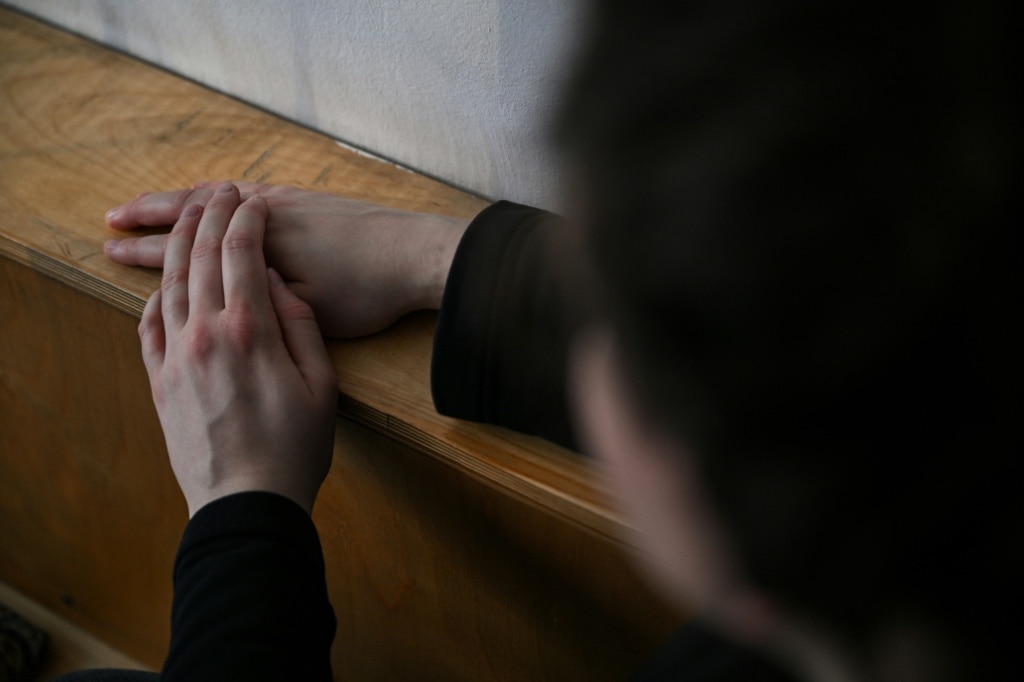
In the immediate aftermath of Russia’s full-scale invasion of Ukraine on February 24, 2022, a wave of public dissent briefly surfaced. Varvara, a 32-year-old Moscow resident, was among those who initially took to the streets, propelled by feelings of profound despair and anger. Her participation in a central Moscow anti-war rally marked a moment of open defiance. However, four years into a conflict met with an unrelenting state crackdown, her activism has been silenced, replaced by a singular focus on survival within a nation rigidly mobilized for war.
The landscape of dissent in Russia has been fundamentally reshaped, with repression escalating to levels not witnessed since the Soviet era. Public criticism of the Kremlin or its military campaign is now virtually extinct, punished by imprisonment or heavy fines. The systematic eradication of opposition has left major figures incarcerated, exiled, or dead, while anti-war groups abroad are paralyzed by internal strife. This environment has forced countless potential activists into a state of resigned acquiescence.
Varvara’s personal journey mirrors this national silencing. After joining an early protest—an act she undertook with the foreboding expectation of arrest—she managed to evade the brutal police clampdown. Yet, consequences followed. Signing an online anti-war petition led to her swift dismissal from a public institution. Faced with the exodus of friends who chose emigration after brief detentions, Varvara grappled with a critical decision. Ultimately, the uncertainties of life as an emigrant outweighed the perceived immediate physical threats of staying, as no authorities were knocking on her door.
Rebuilding her life, she found employment at a charity organization and arrived at a new philosophy: to ‘do something good here’ in Russia. This commitment was further cemented by meeting her future husband in the summer of 2022. Her calculus for resistance shifted entirely; the only circumstance that would now compel her to leave would be the imminent arrest of either herself or her partner. Her priorities are now anchored in her new family, which includes her husband’s two children from a previous marriage—a responsibility she describes as a form of ‘escapism’ that reinforces her silence.
Despite her outward conformity, the war remains an inescapable shadow over her existence. It took two years for her to experience a moment of simple happiness without an accompanying sense of guilt. Professionally, she navigates a moral labyrinth, constantly vetting potential partners and donors for connections to the military campaign. This ‘constant inner struggle’ is matched by a personal conflict with her father, a member of the Russian security services who fought in Ukraine and offers her financial support—assistance she finds morally impossible to accept, despite her love for him. For Varvara and many like her, survival now means living in a state of perpetual, silent internal conflict.