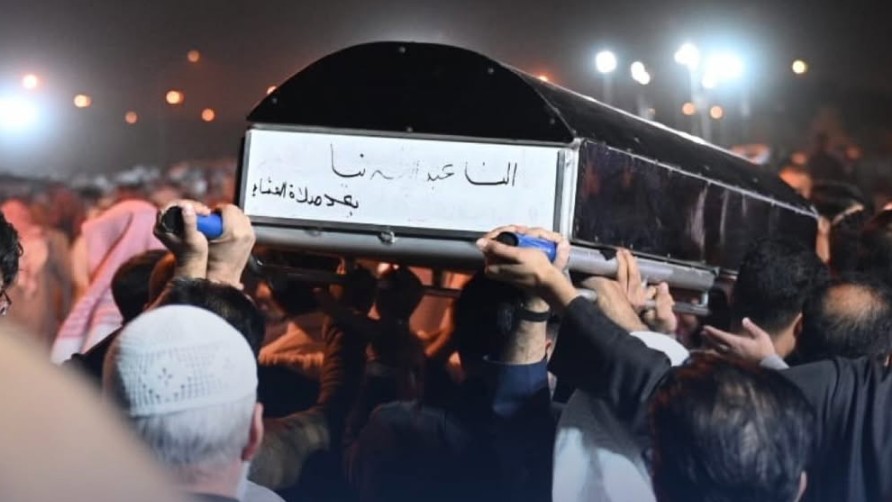
An 11-year-old girl has become the first child casualty in Gulf nations amid escalating regional conflicts, after remnants of an Iranian rocket struck a residential building in Kuwait’s capital governorate of Al-Asimah. Alna Abdullah was pronounced dead in the early hours of Wednesday following nearly 30 minutes of unsuccessful resuscitation efforts by medical teams.
While four other family members present in the home escaped serious injury, local media described them as non-Kuwaiti nationals. Funeral footage and interviews suggest the family may be of Iranian descent, reflecting Kuwait’s complex demographic landscape where approximately 40 percent of citizens are Shia Muslims of Iranian origin.
The tragedy occurs against a backdrop of intensified regional violence, coming just hours after Kuwait buried two military personnel killed in Iranian attacks. This week also witnessed the deaths of six American soldiers in Kuwait, which hosts three major US military bases and several smaller US-operated facilities.
Remarkably, these attacks have fostered unexpected national unity following years of political tension. Since the emir dissolved parliament—the only elected legislative body in the Gulf—and revoked citizenship from tens of thousands over fraud allegations, approximately 16 percent of Kuwaitis have lost their citizenship status as of last month.
The health minister recently faced online criticism after stating that none of the patients transferred to hospital following Iranian attacks were Kuwaiti nationals. This comment sparked public discourse about Kuwait’s demographic composition, where citizens constitute only about 30 percent of the population, with nearly 45 percent being South Asian nationals.
In response to growing tensions, former national assembly speaker Marzouq al-Ghanim struck a conciliatory tone at Abdullah’s funeral, declaring that “all who live on the land of Kuwait, according to Kuwaitis, is a Kuwaiti.”
Kuwait has formally requested both the UN Secretary General and Security Council president to condemn Iran’s “heinous” attacks, which Kuwait asserts violate its sovereignty and airspace, according to Kuwait Times reports.