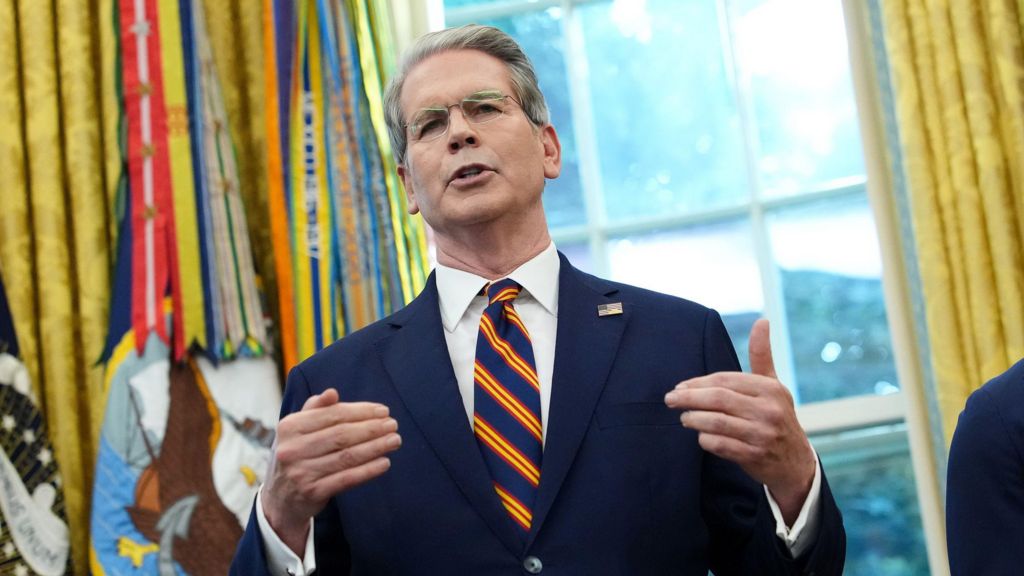
The United States is poised to implement a 15% global tariff this week, according to Treasury Secretary Scott Bessent, following a period of conflicting statements from the Trump administration regarding the precise rate. This new tariff structure is designed to replace the sweeping “Liberation Day” import taxes imposed last year, which were recently invalidated by the Supreme Court.
The policy confusion originated when the White House, responding to the court’s ruling, initially enacted a 10% levy. This move directly contradicted President Donald Trump’s social media announcement of a 15% rate, creating significant uncertainty among global business leaders and international trading partners. White House officials have since been working to align official documentation with the President’s stated 15% target, while simultaneously downplaying the legal impact of the Supreme Court’s decision.
To implement the temporary tariff, the administration employed Section 122, an unconventional trade authority that permits the president to declare tariffs of up to 15% without congressional approval for 150 days under specific conditions. The administration has indicated it will pursue more permanent tariff measures using established legal instruments such as Section 301 and Section 232, which target unfair trade practices and national security threats respectively.
Secretary Bessent expressed confidence that the tariff rates would return to their previous levels within five months. The original “Liberation Day” tariffs, announced in April last year, featured rates starting at 10% and escalating to 50% for certain countries, triggering extensive trade negotiations as nations sought preferential rates through investment commitments and policy concessions.
The transition to a uniform 10% tariff with some product exemptions eliminated the competitive advantages previously secured by countries like the United Kingdom through bilateral agreements. Business communities have indicated a preference for the structured procedures associated with Section 301 and 232 implementations, which include investigation periods and opportunities for comment, providing more predictability than the administration’s abrupt policy announcements.
The ongoing tariff uncertainty continues to raise fundamental questions about the future of U.S. trade policy and its impact on global economic relationships.