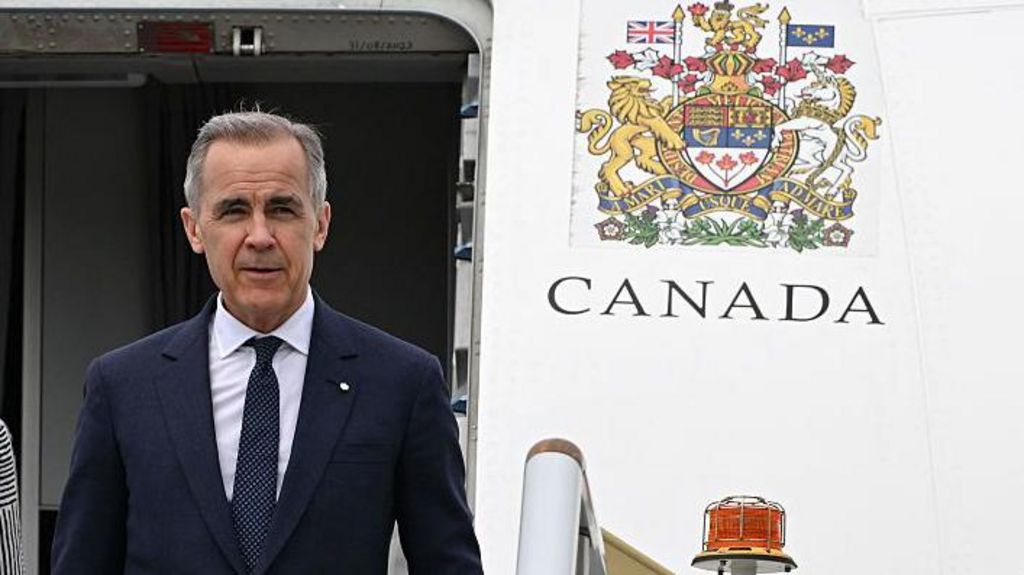
Canadian Prime Minister Mark Carney has issued a complex diplomatic stance regarding the escalating Middle Eastern conflict during his Indo-Pacific tour, calling for rapid de-escalation while maintaining support for military actions against Iran—a position he characterized as being held “with regret.”
Speaking to journalists in Sydney on Tuesday, Carney articulated Canada’s longstanding position regarding Iran’s nuclear program, describing it as “a grave global threat” that necessitates neutralization. The Prime Minister notably criticized the methodology of the strikes initiated by the United States and Israel, highlighting their failure to consult with the United Nations or key allies, including Canada, before launching operations over the weekend.
“We take this position with regret because the current conflict represents another failure of the international order,” Carney stated, emphasizing the tragic nature of the escalating violence. He characterized Iran’s regime as “the biggest exporter of terror in the world” and referenced its nuclear ambitions as particularly concerning, noting that “nobody has a civil nuclear programme that’s buried a mile beneath the desert.”
The Prime Minister’s press conference also addressed Canada’s delicate diplomatic re-engagement with India, following significant tensions that arose after former Prime Minister Justin Trudeau publicly accused Delhi of involvement in the 2023 assassination of Sikh separatist Hardeep Singh Nijjar. Carney described his recent discussions with Indian Prime Minister Narendra Modi as “frank” and indicated that high-level security dialogues had been reestablished.
Despite Canadian officials previously suggesting that Indian-linked threats on Canadian soil had ceased, some Canadian Sikh communities continue to express concerns about ongoing risks—claims that India consistently denies. The diplomatic thaw has yielded concrete results, with both nations announcing a landmark nuclear energy agreement alongside partnerships in critical minerals, space, defense, and education sectors.