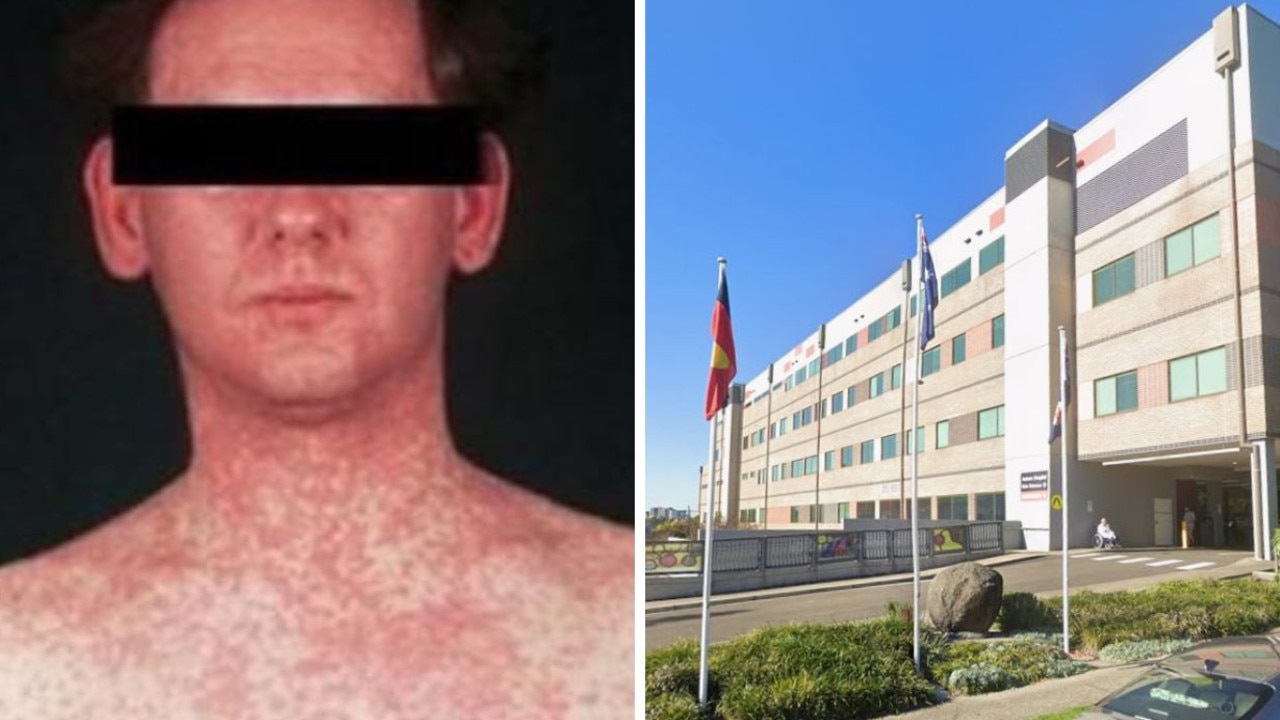
Health authorities in New South Wales have issued a public health alert following confirmation of a measles case in Western Sydney with no identifiable source of infection, suggesting the disease is likely circulating undetected throughout the community.
The unidentified individual visited multiple high-traffic locations across Western Sydney while unknowingly infectious, prompting NSW Health to release exposure site warnings on Tuesday. The confirmed locations include Auburn Hospital, Campbelltown Hospital Emergency Department, My Family Health Medical Centre in Gregory Hills, City West Medical Centre in Auburn, Fresh & Hot Restaurant in Wolli Creek, and Westmead Hospital.
Dr. Conrad Moreira, Public Health Physician with Western Sydney Local Health District, emphasized the seriousness of the situation. “Symptoms typically begin with fever, sore eyes, runny nose and cough, followed three to four days later by a distinctive red, blotchy rash that spreads from head to face to the rest of the body,” he explained.
The incubation period for measles extends to 18 days after exposure, meaning individuals who visited these locations must remain vigilant for symptoms for nearly three weeks. Health officials specifically urge pregnant women, immunocompromised individuals, and those with infants who visited these sites to consult their general practitioners immediately.
Vaccination remains the most effective protection against measles. The measles vaccine is provided free to children at 12 and 18 months of age in NSW, and is also available free for anyone born after 1965 who hasn’t received two doses. Notably, the vaccine can prevent disease development even after exposure if administered promptly.
Health authorities stress that while the identified locations no longer pose an ongoing transmission risk, anyone developing symptoms should contact healthcare providers in advance to allow for proper isolation protocols in emergency departments and waiting areas.