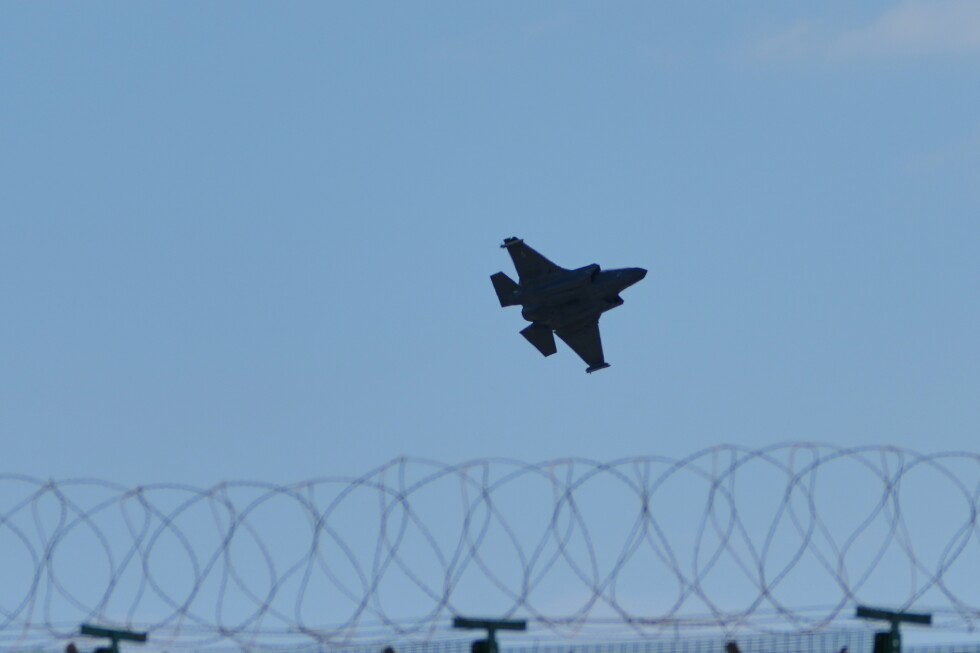
NICOSIA, Cyprus — The recent drone assault on a British military installation in Cyprus has thrust the Mediterranean island nation into the escalating Middle Eastern conflict, highlighting its precarious geopolitical positioning. Early Monday, a Shahed drone penetrated sophisticated radar defenses at RAF Akrotiri, prompting the deployment of Typhoon and F-35 fighter jets. Although the strike caused minimal structural damage and no casualties, it marked the first foreign attack on Cypriot territory since Turkey’s 1974 invasion.
A subsequent drone interception hours later confirmed the deliberate nature of these incursions. While no entity has claimed responsibility, security analysts attribute the attacks to Iranian-backed Hezbollah forces in Lebanon. British officials maintain the timing preceded Prime Minister Keir Starmer’s authorization of U.S. operations from Cypriot bases, though the distinction appears largely academic given the base’s historical role in regional conflicts.
The Akrotiri base, spanning 255 square kilometers, represents Britain’s most significant military foothold in the Eastern Mediterranean. Its strategic value was demonstrated during the 2003 Iraq invasion and continues through U-2 spy plane operations monitoring Middle Eastern activities.
Cyprus’s current administration under President Nikos Christodoulides has markedly shifted from the nation’s traditional neutrality. The U.S.-educated leader has positioned Cyprus as a bridge between the EU and Middle East while strengthening ties with Israel, Lebanon, and Gulf states. Despite this alignment, government officials emphatically deny direct participation in military actions.
In response to the security breach, Greece deployed four F-16s and two advanced frigates, while France committed additional naval support and anti-drone systems. Germany and Britain are similarly reinforcing Cyprus’s defenses with warships and helicopter units.
Anna Koukkides-Procopiou of Politeia think tank observed that Cyprus’s strategic choices have inevitable consequences: ‘We’ve chosen sides and we have to face the music now.’ The enduring presence of British military installations continues to complicate Cyprus’s foreign policy autonomy, serving as both strategic asset and geopolitical vulnerability in a perpetually volatile region.