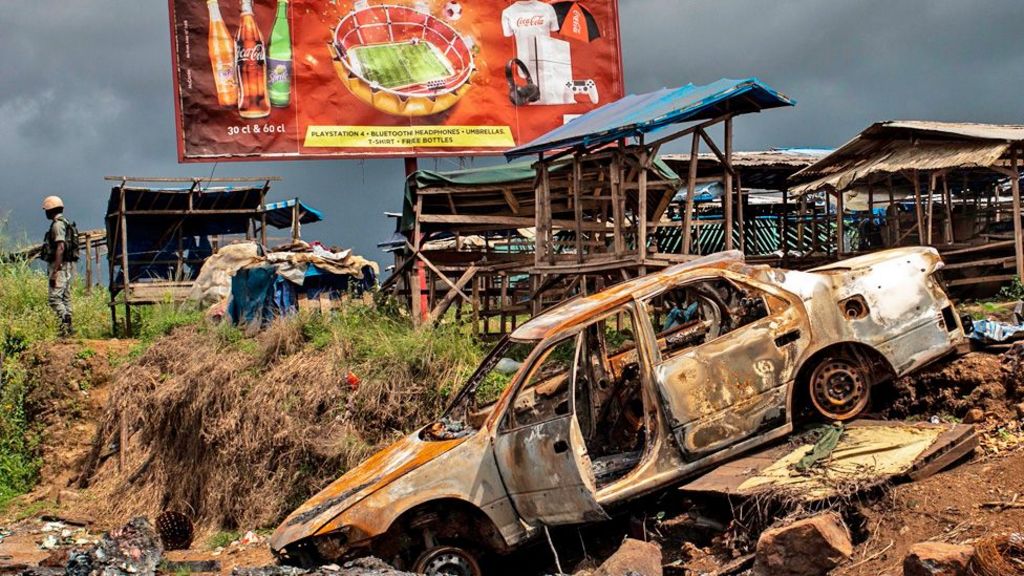
Belgian authorities have detained three individuals suspected of leading the Ambazonia Defence Forces (ADF), a separatist militia engaged in Cameroon’s protracted Anglophone conflict. The arrests, executed following coordinated operations in Antwerp and Londerzeel, form part of an extensive investigation into potential war crimes and crimes against humanity.
According to the Belgian federal prosecutor’s office, these suspects are believed to have orchestrated fundraising activities for armed struggles and weapons procurement from Belgian territory. The investigation, initiated during the summer of the previous year, targets expatriates allegedly constituting the ADF’s leadership cadre in Belgium.
This development represents an international escalation in addressing Cameroon’s devastating internal conflict, which has persisted for nearly a decade. The crisis originated in 2016 when legal and educational professionals protested against the compulsory use of French in courts and schools within English-speaking regions. The subsequent declaration of independence for the theoretical state of Ambazonia in 2017 ignited full-scale hostilities between separatist factions and government forces.
The United Nations documents catastrophic humanitarian consequences, with over 6,500 fatalities and approximately 490,000 individuals displaced from their homes. An additional 1.5 million people require urgent humanitarian assistance amid ongoing violence. Human rights organizations have consistently documented widespread atrocities perpetrated by both separatist militants and state security forces.
These European arrests follow similar judicial actions in Norway and the United States, indicating growing international concern regarding the conflict’s dimensions. Cameroon’s President Paul Biya, maintaining power for over four decades, asserts that his administration has undertaken substantial measures to resolve the crisis. Nevertheless, his government faces persistent criticism regarding its handling of the conflict and restrictions on political freedoms.