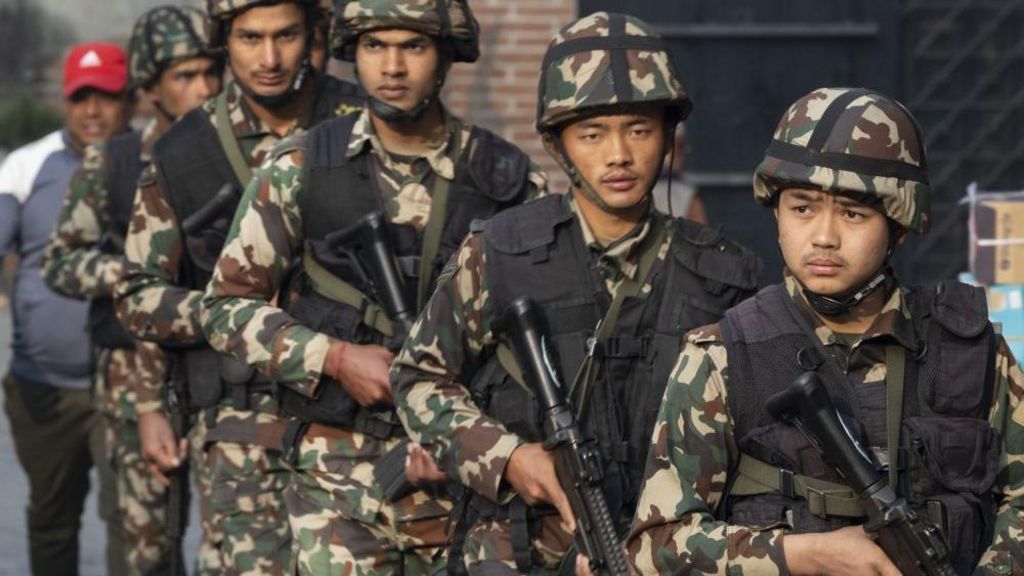
Nepal stands at a critical democratic crossroads as it prepares for its first general election on Thursday, March 7th, following the youth-led uprising that toppled the government last September. The nation has mobilized extensive security measures with nearly 300,000 personnel deployed to ensure peaceful voting.
Interim Prime Minister Sushila Karki, in a nationally televised address, characterized this electoral process as emerging from a ‘complex, sensitive and challenging’ period in Nepal’s history. She emphasized that active citizen participation is essential for the survival of the country’s democracy, urging all eligible voters to exercise their franchise responsibly.
The electoral landscape features approximately 3,400 candidates competing for 274 parliamentary seats in the House of Representatives, with more than 1,000 candidates representing the younger generation under age 40. Nearly 19 million registered voters, including 800,000 first-time participants, are eligible to shape the nation’s political future.
Security agencies have maintained heightened vigilance nationwide, resulting in 133 arrests for alleged anti-election activities. Among those detained is Durga Prasai, a controversial medical entrepreneur and monarchist activist who leads the campaign demanding restoration of Nepal’s Hindu monarchy. Prasai’s organization had planned protests targeting the election, prompting what his secretariat describes as an infringement on his ‘right to freedom of expression.’
President Ram Chandra Poudel joined in appealing for peaceful participation, describing the election as a ‘historic opportunity’ to strengthen Nepal’s federal democratic republic. Election officials report that preparatory activities have proceeded peacefully thus far, with comprehensive security arrangements involving 77,000 police officers, 134,000 dedicated election police, and 80,000 army personnel deployed across the nation.