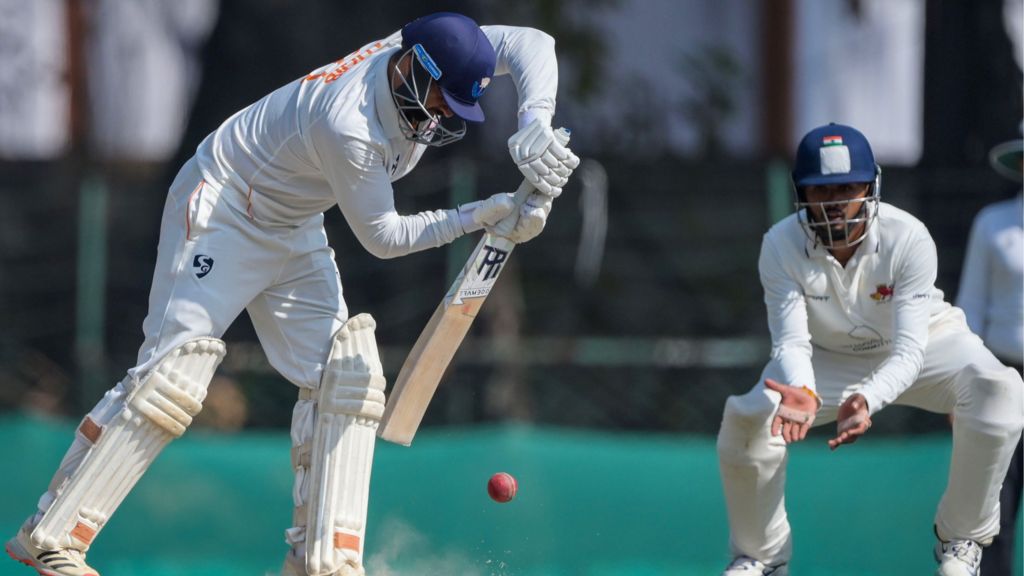
In a landmark achievement for Indian domestic cricket, the Jammu and Kashmir cricket team has secured its maiden Ranji Trophy title by defeating eight-time champions Karnataka in a thrilling final showdown. This victory represents far more than a sporting accomplishment—it stands as a testament to resilience and determination emerging from a region historically marginalized within India’s cricketing landscape.
The Ranji Trophy, among the world’s oldest first-class cricket competitions, serves as the foundational bedrock of Indian cricket. Jammu and Kashmir’s triumph against Karnataka—a team featuring four current international players including KL Rahul and Mayank Agarwal—marks a dramatic underdog story that captivated the nation during a season otherwise dominated by T20 World Cup coverage.
Cricket’s roots in the region extend back to the colonial era, when Kashmir willow gained renown for producing high-quality bats that powered the sport across India. Despite this historical connection, Jammu and Kashmir faced decades of institutional neglect, political turmoil, and inadequate infrastructure that hampered cricketing development. The team didn’t secure its first Ranji match victory until 1982-83—more than twenty years after gaining state association status.
The transformation began approximately fifteen years ago as political volatility eased and systematic development initiatives took hold. Three critical inflection points catalyzed the team’s remarkable ascent:
Between 2011-2013, former Indian captain Bishen Singh Bedi instilled crucial self-belief in players traditionally overawed by more established teams. His mentorship proved instrumental for Pervez Rasool, who became the first cricketer from the region to represent India.
In 2018-2019, former Indian all-rounder Irfan Pathan joined as player-mentor, emphasizing unity beyond regional divisions and helping identify emerging talents like batsman Abdul Samad and fast bowler Umran Malik.
Approximately five years ago, administrative restructuring established an Apex Council led by Mithun Manhas—a former Delhi stalwart with Jammu roots—who professionalized the setup with modern coaching methods, scientific fitness programs, and national-standard infrastructure.
Seasoned domestic batsman Paras Dogra, drafted as captain at age 41, provided leadership that elevated the entire team. The squad’s spearhead proved to be fast bowler Aquib Nabi, who claimed 60 wickets this season following 44 last year, earning IPL recognition and endorsement from former captain Sourav Ganguly for national team consideration.
This victory symbolizes cricket’s expanding footprint across India’s diverse regions and offers Jammu and Kashmir meaningful integration into the national mainstream through shared sporting pride—an achievement reminiscent of Afghanistan’s improbable cricketing ascent on the global stage.