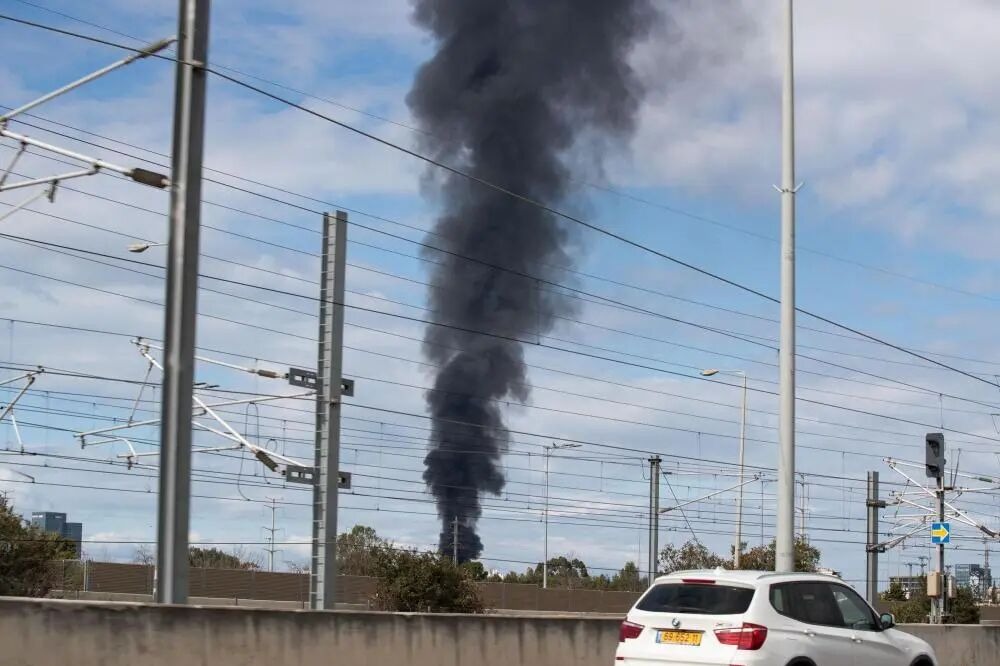
In a significant escalation of Middle Eastern hostilities, Iran has launched a new wave of ballistic missiles toward Israeli territory, according to military sources. The February 28, 2026 attack represents the latest development in ongoing regional tensions that have intensified throughout the decade.
The missile launch occurs against a complex geopolitical backdrop featuring multiple international crises. Concurrent reports indicate severe border clashes between Afghanistan and Pakistan have resulted in at least 19 fatalities and 26 injuries, while Bolivia faces tragedy after a military plane crash claimed 15 lives with 30 injured.
Diplomatic channels appear simultaneously active despite military posturing. Omani Foreign Ministry officials reported a potential breakthrough in nuclear negotiations with Iran agreeing to zero enriched uranium stockpiling. This development contrasts sharply with former U.S. President Trump’s expressed dissatisfaction with nuclear talks, though he confirmed no final decision regarding military action against Iran.
The regional volatility coincides with global economic concerns, including Singapore’s anticipated utility bill increases as carbon taxes nearly double in 2026, and studies revealing millions of Filipino families’ continued vulnerability to poverty.
This multi-faceted crisis demonstrates the interconnected nature of modern geopolitical conflicts, where military actions, diplomatic negotiations, and economic pressures evolve simultaneously across international borders.