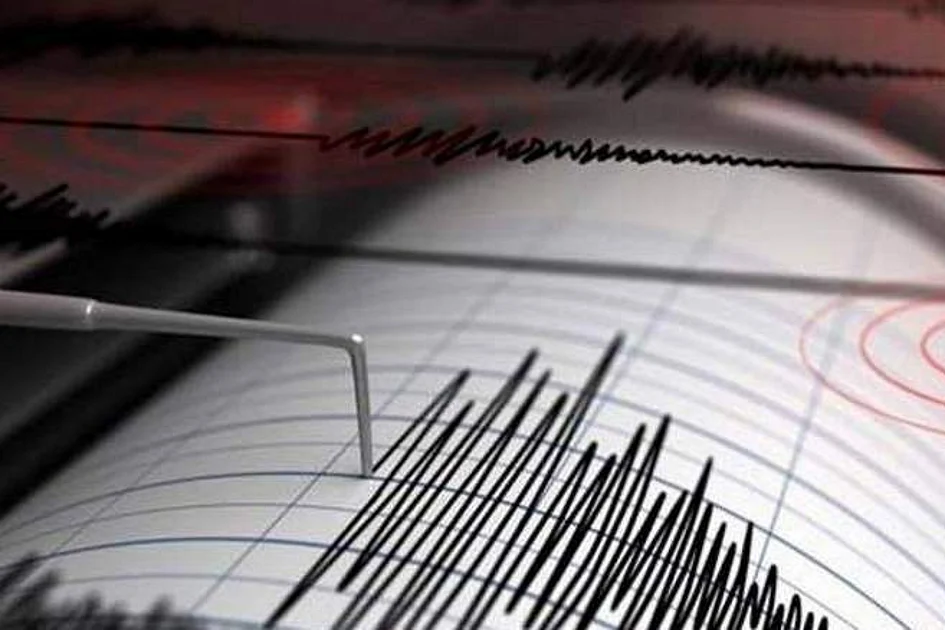
A moderate earthquake measuring 5.6 on the Richter scale occurred off the northeastern coast of Taiwan on Tuesday morning, according to the island’s meteorological authorities. The seismic event, which struck at 9:20 AM local time, originated approximately 16.9 kilometers from Yilan County’s government seat in coastal waters with a significant depth of 66.8 kilometers (41.5 miles).
The tremor was distinctly felt across the capital region of Taipei, where buildings experienced noticeable shaking for a brief period. Despite the perceptible ground movement, initial assessments by emergency services indicated no immediate reports of structural damage or casualties following the event.
Taiwan’s geographical position places it near the convergence point of two major tectonic plates—the Philippine Sea Plate and the Eurasian Plate—making the island particularly susceptible to seismic activity. This geological reality has resulted in numerous significant earthquakes throughout Taiwan’s history, including the devastating 1999 tremor that registered 7.3 magnitude and claimed over 2,000 lives, followed by another deadly quake in southern Taiwan in 2016 that resulted in more than 100 fatalities.
The region’s advanced earthquake monitoring systems and building codes, developed in response to previous seismic events, appear to have contributed to the minimal impact of this latest tremor. Emergency response teams remained on alert following the earthquake, conducting standard assessments of critical infrastructure including bridges, dams, and transportation networks as precautionary measures.