Tehran has issued a stark warning of severe retaliation against any potential military action by the United States, emphasizing that even limited strikes would trigger what it characterized as a ‘ferocious’ response. The escalating rhetoric emerges as both nations prepare for crucial indirect negotiations regarding Iran’s nuclear program, scheduled to resume in Geneva this Thursday under Omani mediation.
Foreign Ministry spokesman Esmaeil Baqaei declared Monday that any form of aggression would be met with decisive action, stating that Iran maintains its historical stance of never capitulating to external pressure. This position directly responds to recent remarks from former President Donald Trump, who indicated he was considering limited strikes if diplomatic efforts failed.
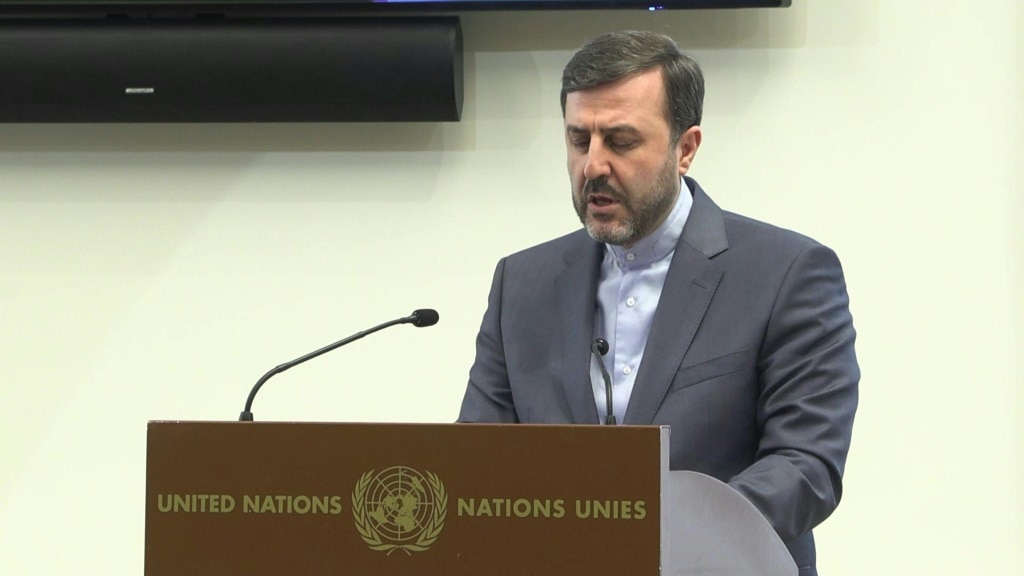
Simultaneously, Iranian Deputy Foreign Minister Kazem Gharibabadi described the renewed talks as presenting ‘a new window of opportunity’ while cautioning that military confrontation would not remain contained within regional boundaries. He emphasized that responsibility for such escalation would rest squarely with the initiating party.
The heightened tensions have prompted several nations, including India, Sweden, Serbia, Poland, and Australia, to advise their citizens to depart Iran. The United States has similarly ordered non-emergency personnel to evacuate its embassy in Lebanon, where Iranian-backed Hezbollah maintains significant influence.
Amid these diplomatic and military developments, Iran faces renewed domestic unrest as university students have reignited anti-government protests at the start of the academic semester. Videos verified by AFP show demonstrators in Tehran burning the post-revolution Iranian flag while chanting anti-government slogans, echoing earlier widespread protests that were violently suppressed in January with casualties numbering in the thousands according to human rights organizations.
Iran maintains that its nuclear program serves exclusively peaceful purposes, while Western nations suspect weapons development intentions. The upcoming negotiations will primarily focus on nuclear limitations, though Washington continues to seek discussions regarding Iran’s ballistic missile program and regional proxy networks.
International concern continues to mount, with China joining criticism of potential military action. Chinese Ambassador Shen Jian stated at a Geneva disarmament conference that Beijing ‘opposes unilateral bullying and the use of force in international relations,’ reflecting broader global apprehension about potential conflict escalation.