In a significant blow to organized crime, Mexican military forces confirmed the death of Nemesio ‘El Mencho’ Oseguera, the notorious leader of the Jalisco New Generation Cartel (CJNG), during a major security operation on Sunday. The 59-year-old drug lord, who carried a $15 million U.S. bounty, sustained fatal injuries during a confrontation with soldiers in Tapalpa, Jalisco state, and died en route to Mexico City for medical treatment.
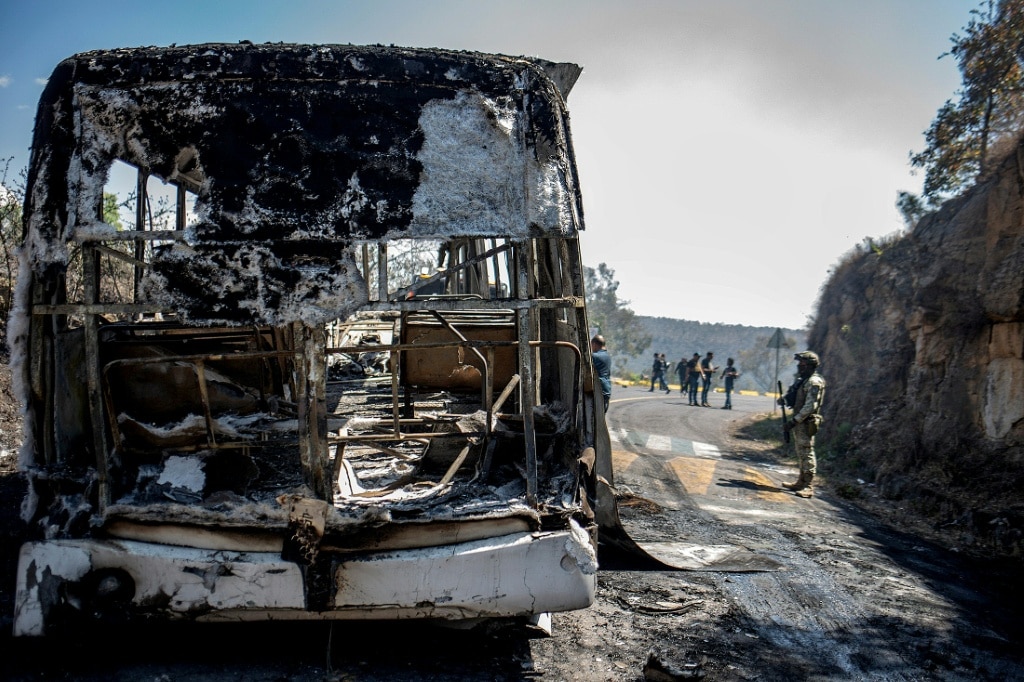
The operation, conducted with supplementary intelligence from U.S. authorities, triggered immediate and widespread retaliatory violence across multiple Mexican states. Cartel gunmen blocked over 20 major roadways in western Jalisco using burning vehicles, while coordinated attacks spread to neighboring Michoacán and the resort destination of Puerto Vallarta.
Mexican President Claudia Sheinbaum appealed for public calm while confirming federal coordination with state governments to contain the violence. The operation resulted in six additional cartel casualties, three wounded soldiers, two arrests, and the seizure of advanced weaponry including anti-aircraft rocket launchers capable of penetrating armored vehicles.
In response to the security crisis, Jalisco state authorities canceled all mass gatherings scheduled for Sunday and suspended in-person classes for Monday. The state capital, Guadalajara—scheduled to host World Cup matches this summer—experienced widespread closures of businesses, pharmacies, and gas stations as residents sheltered indoors.
The U.S. State Department and Global Affairs Canada issued emergency advisories urging citizens in affected regions to shelter in place, citing ongoing violence. Multiple international airlines canceled flights to Mexican destinations following security concerns.
U.S. Deputy Secretary of State Christopher Landau praised the operation, characterizing Oseguera as ‘one of the bloodiest and most ruthless drug kingpins’ and describing his elimination as ‘a great development for Mexico, the U.S., Latin America, and the world.’ The operation occurs amid sustained pressure from the U.S. administration regarding Mexico’s efforts to combat drug trafficking, particularly fentanyl distribution.