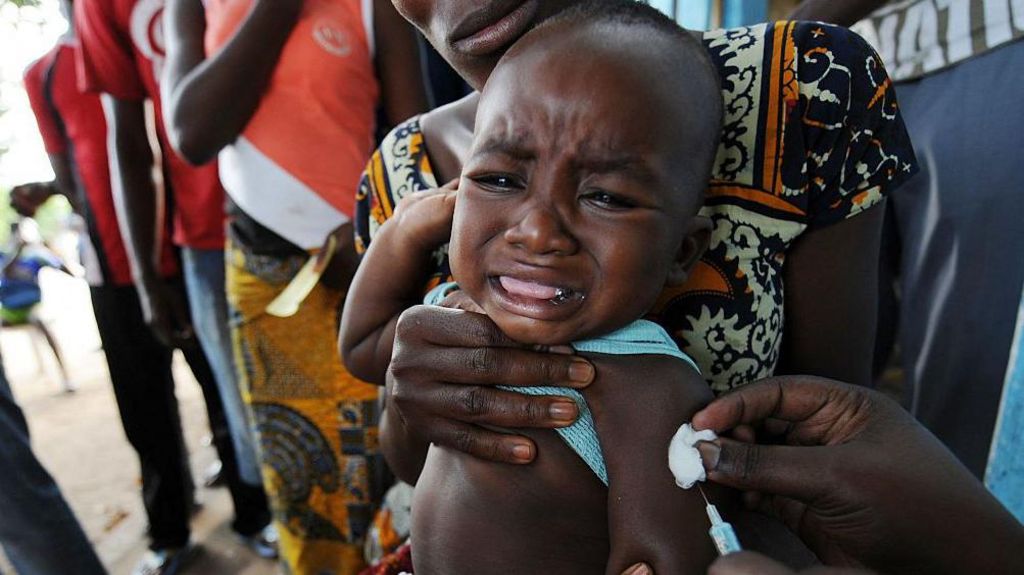
The World Health Organization has issued a strong condemnation of a controversial hepatitis B vaccine study in Guinea-Bissau that was abruptly halted following public outcry. The $1.6 million trial, funded by the US Centers for Disease Control and Prevention and led by Danish researchers, proposed to delay vaccination for approximately 14,000 newborns until six weeks of age rather than administering the standard birth-dose vaccine.
WHO officials expressed ‘significant concerns’ regarding the study’s scientific justification and ethical safeguards, describing the proposed methodology as fundamentally unethical. The organization emphasized that the hepatitis B vaccine has demonstrated effectiveness over three decades of use across 115 countries, with birth-dose administration preventing mother-to-child transmission in 70-95% of cases.
The controversial study gained particular attention due to its connection with US Health Secretary Robert F. Kennedy Jr., who has repeatedly questioned vaccine efficacy despite claiming personal vaccination adherence. Kennedy had previously replaced all members of the Advisory Committee on Immunization Practices with vaccine-critical appointees, who subsequently voted to stop recommending universal hepatitis B vaccination for American newborns.
Guinean authorities suspended the trial following substantial domestic opposition, including from former health minister Magda Robalo who declared ‘Guinea-Bissauans are not guinea pigs.’ The West African nation suffers from exceptionally high hepatitis B prevalence, with WHO estimates indicating over 12% of adults carry chronic infection and some studies suggesting rates as high as 20%.
The WHO maintains that birth-dose vaccination represents an essential public health intervention that prevents potentially irreversible harm. The organization argues that placebo-controlled trials are only ethically acceptable when no proven treatment exists, which is not the case for hepatitis B prevention. Guinea-Bissau currently administers the vaccine at six weeks but plans nationwide birth-dose implementation by 2028, a transition the WHO has pledged to accelerate.