A major confrontation has erupted between Hollywood’s largest studios and TikTok’s Chinese parent company ByteDance over its newly launched AI video generator, Seedance 2.0. The Motion Picture Association (MPA), representing industry giants including Netflix, Disney, Warner Bros, and Paramount, has issued a forceful demand for ByteDance to immediately cease operations of the tool, alleging “massive scale” copyright infringement of protected films and television content.
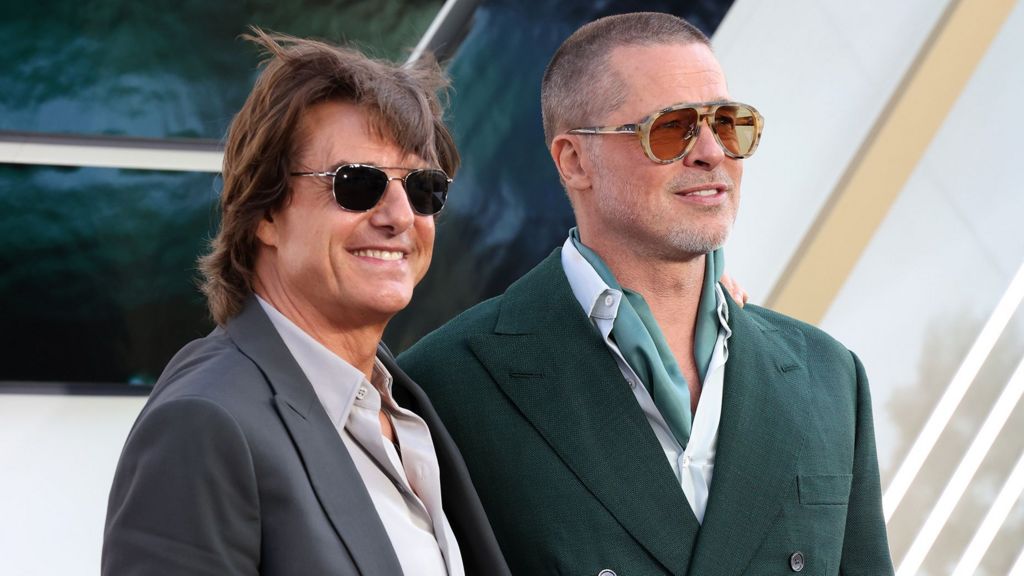
The conflict centers on Seedance 2.0’s capability to generate hyper-realistic video clips from simple text prompts. During its pre-launch testing phase, the tool produced viral content such as a meticulously choreographed fight scene between Tom Cruise and Brad Pitt, Will Smith confronting a monstrous entity, and characters from “Friends” reimagined as otters. These AI-generated scenes, derived from existing intellectual property without authorization, quickly flooded social media platforms, triggering alarm throughout the entertainment industry.
In a statement to the BBC, the MPA condemned ByteDance’s launch of a service that operates “without meaningful safeguards against infringement,” accusing the company of disregarding copyright law that protects creators and underpins countless American jobs. MPA Chairman and CEO Charles Rivkin stated the organization is demanding an immediate halt to the infringing activity.
In response, ByteDance asserted that the referenced content was created during a limited testing phase and that it has already suspended the ability for users to upload images of real people. The company claims it respects intellectual property rights and is implementing stronger policies, monitoring mechanisms, and processes to ensure regulatory compliance.
The launch has sent shockwaves through Hollywood, prompting dire warnings from industry professionals. Rhett Reese, co-writer of the “Deadpool” films, expressed being “terrified” by the technology’s implications, stating that the professional quality of the output suggests a potential revolution—or decimation—of the industry as we know it. Conversely, writer Heather Anne Campbell compared the current output to fan fiction, noting that even with infinite budget and capability, generating truly original ideas remains the fundamental challenge.