A critical funding bill for the U.S. Department of Homeland Security (DHS) has been blocked in the Senate following a contentious partisan dispute over proposed reforms to immigration enforcement protocols. Thursday’s procedural vote failed to secure the necessary majority, stalling legislation just before Saturday’s midnight funding deadline.
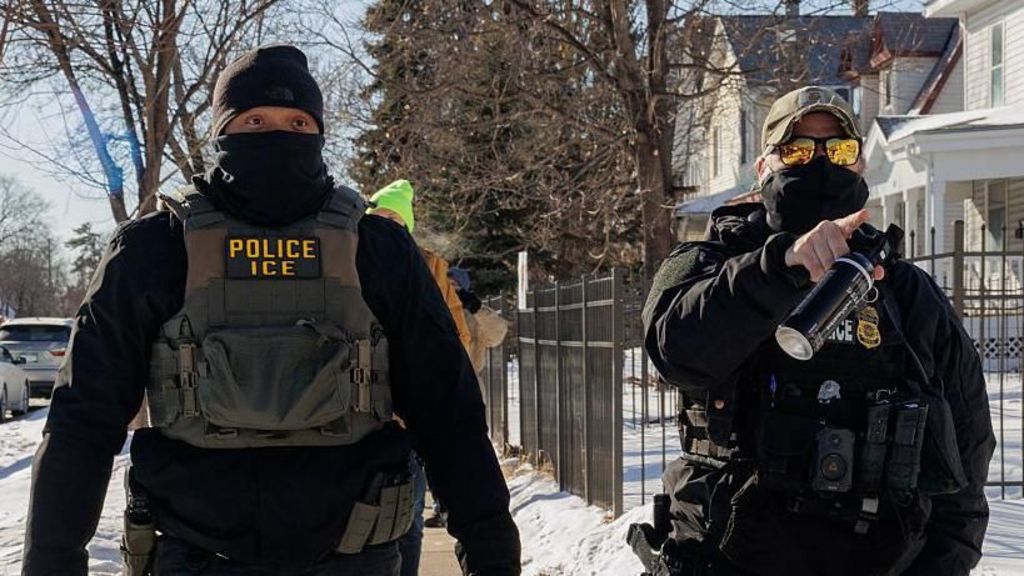
The deadlock centers on Democratic demands for substantial operational changes at Immigration and Customs Enforcement (ICE). These reforms, prompted by recent fatal incidents involving ICE operations, include prohibiting agents from wearing masks during interactions, mandating body camera usage, and implementing stricter oversight mechanisms.
Senate Minority Leader Chuck Schumer characterized these proposals as “common sense” measures already standard among local law enforcement nationwide. “Democrats will not support a blank cheque for chaos,” Schumer declared following the vote, emphasizing requirements for judicial warrants before entering private properties and bans on enforcement at sensitive locations including schools, medical facilities, and places of worship.
Despite the funding lapse, ICE operations will continue largely unaffected due to previous legislation allocating billions to advance President Trump’s immigration agenda. However, other critical DHS agencies face immediate impacts. DHS Secretary Kristi Noem warned that agencies including FEMA (disaster response) and TSA (airport security) would experience operational disruptions, with personnel potentially facing unpaid furloughs.
Republican opposition focuses on maintaining enforcement capabilities, with Senate Majority Leader John Thune dismissing certain Democratic proposals as “non-starters that unnecessarily tie the hands of law enforcement.” The GOP’s central demand remains mandatory cooperation between local police and federal immigration authorities.
With the Senate currently in recess, legislators await a potential compromise that could trigger a recall vote. The already House-approved bill remains in legislative limbo as both parties navigate complex negotiations surrounding immigration policy and security funding.