In a significant development for Middle East peace efforts, Indonesia has announced preparations to deploy up to 8,000 military personnel to Gaza as part of the second phase of the ceasefire agreement negotiated by the United States. This deployment marks the first national commitment to the international stabilization initiative.
General Maruli Simanjuntak, Army Chief of Staff, confirmed that specialized training is already underway for Indonesian forces who will primarily serve in medical and engineering capacities within the conflict zone. The deployment timeline and specific operational parameters remain under finalization.
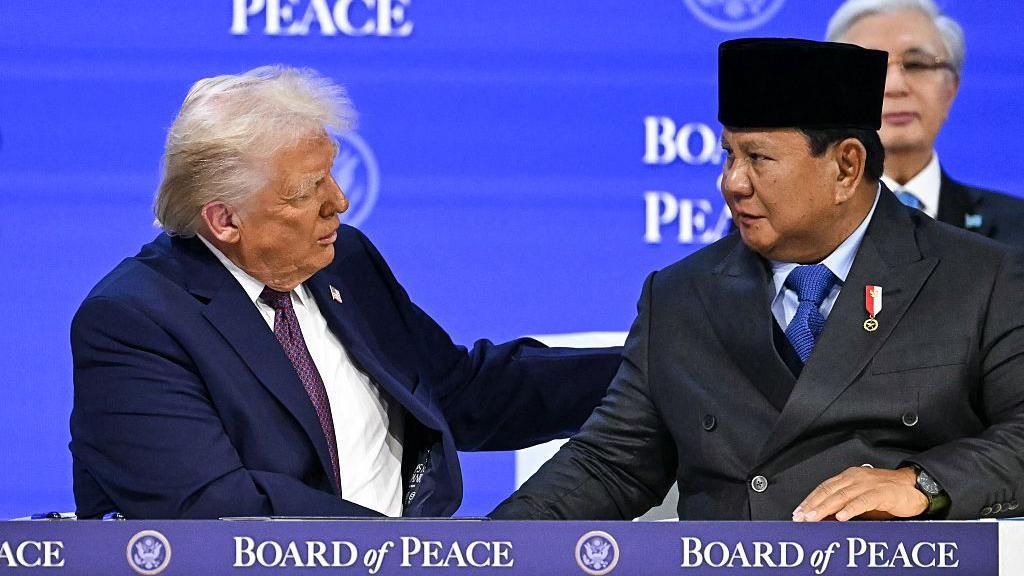
This military commitment aligns with Indonesia’s recent participation in President Donald Trump’s Board of Peace, established last month with a United Nations Security Council mandate. The board’s mandate includes forming an International Stabilization Force (ISF) to secure Gaza’s border regions and oversee demilitarization efforts, including the disarmament of Hamas.
The peace board, scheduled to convene its inaugural meeting in Washington on February 19th, will additionally supervise the establishment of a technocratic Palestinian administration in Gaza and coordinate post-conflict reconstruction initiatives.
President Prabowo Subianto has championed Indonesia’s involvement despite domestic criticism from certain Islamic groups. These factions have expressed discontent with perceived American support for Israel’s military operations in Gaza. Defending his position, President Subianto emphasized that as the world’s most populous Muslim nation, Indonesia bears responsibility to contribute to regional stabilization and advance the two-state solution framework.
Israeli media outlet Kan has reported that a specific area between Rafah and Khan Younis in southern Gaza has been designated for constructing barracks to accommodate several thousand Indonesian personnel.
While other Muslim-majority nations including Turkey and Pakistan contemplate similar peacekeeping contributions, they have explicitly stated their troops would not participate in Hamas disarmament operations. The viability of the international force remains uncertain given ongoing tensions, with Hamas refusing to surrender weapons while Israeli forces maintain presence in portions of Gaza.