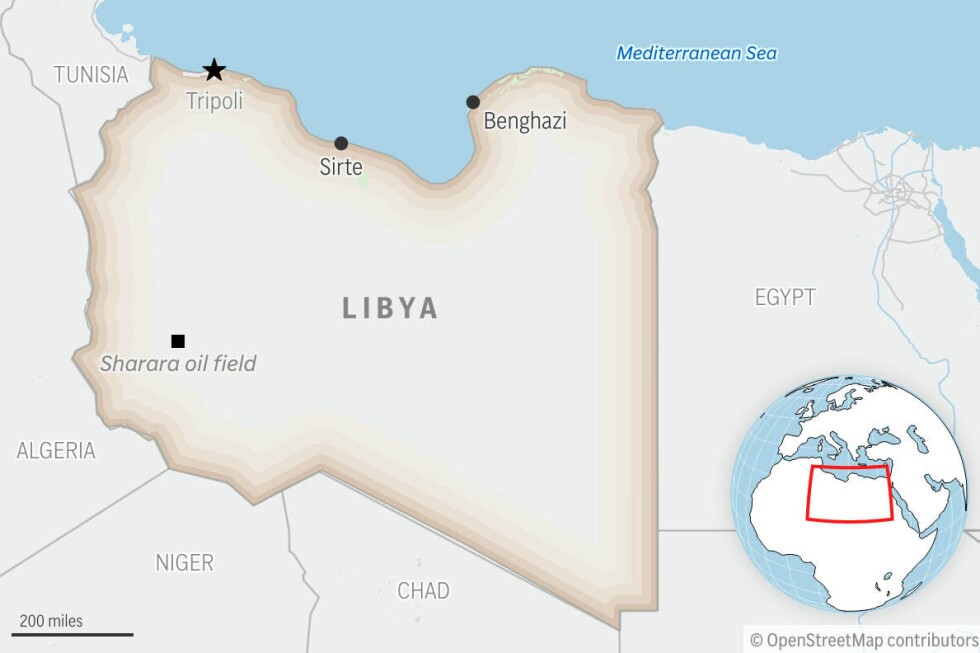
In another devastating maritime disaster, at least 53 migrants including two infants have been confirmed dead or missing after an inflatable vessel capsized in the Mediterranean Sea off Libya’s northwestern coast. The United Nations International Organization for Migration (IOM) reported Monday that the overcrowded rubber boat departed from Zawaiya port shortly before midnight Thursday carrying 55 African migrants seeking passage to Europe.
The ill-fated journey ended tragically approximately six hours after departure when the vessel began taking on water and ultimately overturned Friday morning north of Zuwara. Libyan authorities managed to rescue two Nigerian women who survived the shipwreck. Both women suffered unimaginable losses—one mourning her husband, the other her two infant children.
This incident highlights the continuing exploitation by human trafficking networks that profit from transporting migrants through the world’s deadliest maritime migration route. The IOM condemned these criminal organizations that deliberately use unseaworthy vessels to transport desperate people from conflict-ridden Libya to European shores.
The North African nation has become the primary transit hub for migrants fleeing conflict and economic hardship across Africa and the Middle East since the 2011 NATO-backed uprising that overthrew longtime ruler Moammar Gadhafi. The resulting power vacuum has allowed trafficking networks to flourish amid widespread lawlessness.
According to the IOM’s Missing Migrants Project, the central Mediterranean route has claimed at least 484 lives in 2026 alone, following last year’s grim tally of over 1,300 deaths and disappearances. These statistics underscore the extreme perils facing those attempting the dangerous crossing.
Migrants intercepted and returned to Libya face appalling conditions in government detention centers, where UN investigators have documented systematic abuses including forced labor, physical beatings, sexual violence, and torture—practices that may constitute crimes against humanity. These facilities often serve as extortion hubs where families are forced to pay ransom before migrants are permitted to continue their journey on traffickers’ boats.