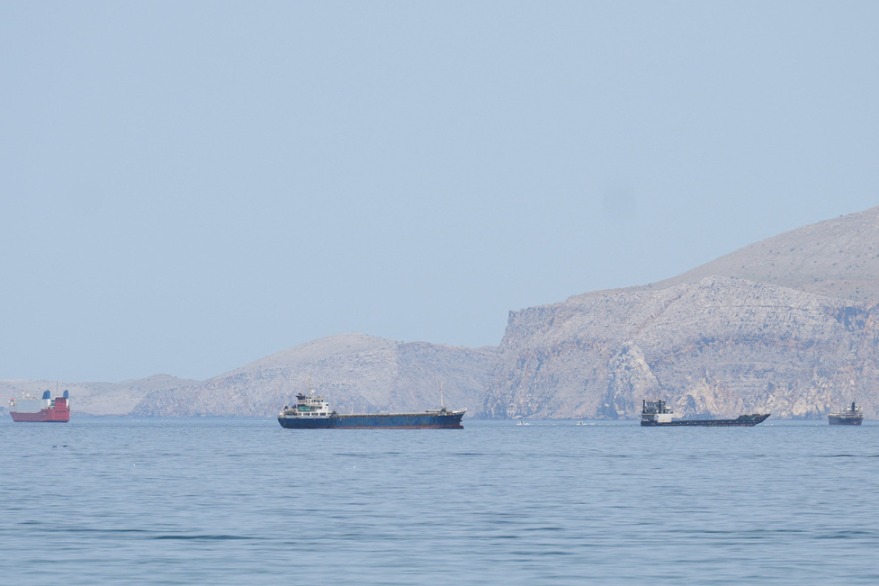
Tensions between the United States and Iran have spiked dramatically in the strategic Strait of Hormuz after US President Donald Trump issued an extraordinary order directing American naval forces to “shoot and kill” any Iranian vessels accused of laying mines in the key waterway, throwing already fragile ceasefire negotiations into further jeopardy. The hardline directive comes as hopes for a diplomatic breakthrough to end the ongoing regional conflict have all but collapsed.
In a public post shared on social media, Trump made his order explicit, stating: “I have ordered the United States Navy to shoot and kill any boat, small boats though they may be … that is putting mines in the waters of the Strait of Hormuz.” He added that naval forces were instructed to act without hesitation, and announced that ongoing US mine-clearing operations in the strait would be ramped up to three times their original intensity. Alongside the order, Trump reposted a video that openly called for the assassination of Iranian leaders who refuse to accept a US-brokered deal, a move that drew swift and fierce condemnation from Iranian officials.
Iranian Foreign Ministry spokesman Esmail Baghaei blasted Trump’s decision to amplify the violent call for killing Iranian leadership, condemning the US as a promoter of state-sanctioned violence. “The President of the United States has reposted a statement from an individual openly calling for ‘killing the ones who don’t want a deal’,” Baghaei said in a post on X Thursday evening. “The United States, which once presented itself as a cradle of democracy, freedom, and human values, now appears to become a promoter of terrorism, murder, and mass violence. What should one call this, if not a profound moral failure?”
Top Iranian officials, including President Masoud Pezeshkian and Foreign Minister Abbas Araghchi, pushed back against US claims of internal division within the country, releasing coordinated messages affirming national unity in the face of American aggression. “In Iran, there are no radicals or moderates; we are all ‘Iranian’ and ‘revolutionary’, and with the iron unity of the nation and government, with complete obedience to the Supreme Leader of the Revolution, we will make the aggressor criminal regret his actions,” the officials wrote on their X accounts. They added: “One God, one nation, one leader, and one path; that path being the path to the victory of our dear Iran, more precious than life.”
The escalation around the Strait of Hormuz, one of the world’s most critical global oil and commercial shipping chokepoints, follows the collapse of planned ceasefire talks this week in Islamabad, Pakistan. Earlier this week, Trump announced he would extend an unofficial US ceasefire deadline indefinitely, repeating that he is in no rush to end the conflict.
Regional analysts warn that Trump’s new aggressive order is a deliberate tactic of coercive diplomacy designed to force Iran into making concessions at the negotiating table. Nagapushpa Devendra, a West Asia analyst and research scholar at the University of Erfurt in Germany, told China Daily that Trump’s approach relies on applying military pressure to gain leverage while he claims to face no time pressure for a resolution. However, she noted that Iran has signaled it is prepared to withstand the pressure and turn the strategically vital strait into its own bargaining tool against the US.
Devendra predicts that the escalation will not lead to a quick negotiated settlement, but rather a prolonged, high-stakes standoff between the two powers. “The likely consequence is not a quick settlement but a longer standoff, with more ship seizures, the risk of more clashes in the Hormuz Strait, and higher pressure on oil and shipping markets,” she explained. Diplomatically, she added, the escalation could erode what little allied support the US has for its aggressive policy in the region, while also pulling Israel deeper into an expanding regional crisis that risks spiraling into full-scale war.
The ongoing conflict, which was instigated by the US and Israel in late February, has already inflicted catastrophic humanitarian damage across the broader Middle East, according to United Nations officials. Alexander De Croo, administrator of the United Nations Development Programme, warned that the war will push more than 30 million people across the region back into extreme poverty, with widespread food insecurity expected to worsen in the coming months. “Even if the war would stop tomorrow, those effects, you already have them, and they will be pushing back more than 30 million people into poverty,” De Croo told Reuters. He also highlighted other far-reaching consequences of the conflict, including widespread energy shortages and a sharp decline in remittances that many regional households depend on for survival.
In a further sign of growing US military buildup in the region, Xinhua News Agency reported Thursday that a third American aircraft carrier strike group — the Nimitz-class USS George H.W. Bush and its accompanying fleet of warships — has arrived in the US Central Command area of responsibility, which covers all US military operations across the Middle East.
The escalation has already been matched by Iranian action: Reuters reported Thursday that Iran has seized two foreign container ships near the Strait of Hormuz, detaining roughly 40 crew members and moving the vessels toward Iran’s southern port of Bandar Abbas. A relative of one of the detained seafarers told the news agency that “Some 20 Iranians armed to the teeth stormed the ship,” adding that “Sailors are under Iranians’ control, their movements on the ship are limited, but the Iranians are treating them well.”
As both sides ramp up military posturing and diplomatic efforts remain stalled, the international community faces growing risks of a major military confrontation in the Strait of Hormuz that could send shockwaves through global energy markets and destabilize the entire Middle East.