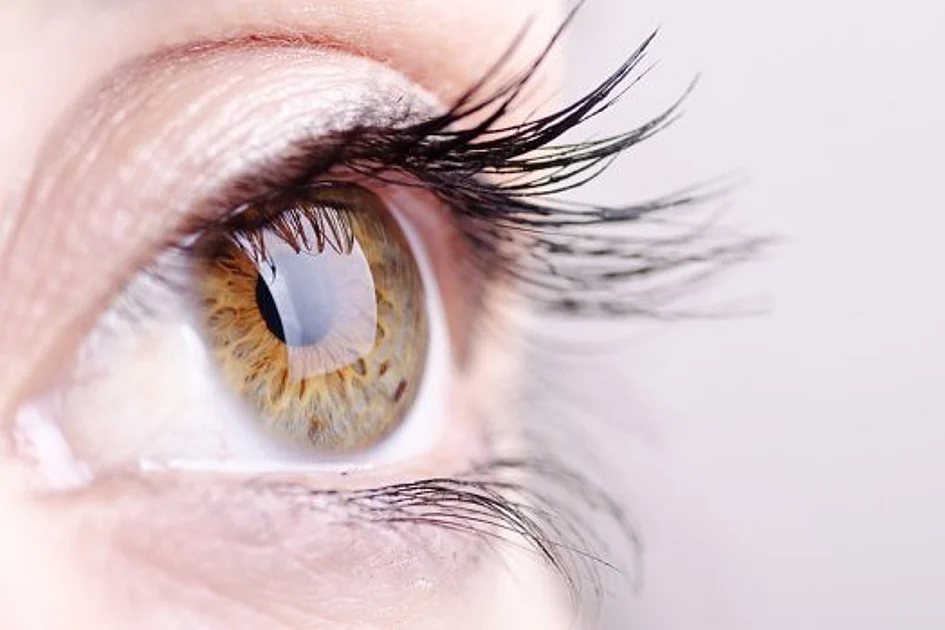
Medical specialists across the United Arab Emirates are reporting a significant escalation in ocular health emergencies, with conjunctivitis cases reaching concerning levels. Leading ophthalmologists attribute this alarming trend to a dangerous convergence of environmental aggressors, digital lifestyle habits, and the growing peril of self-medication practices.
Clinical data from multiple healthcare facilities indicates a sharp increase in patients presenting with acute red eye symptoms, displaying characteristics of both infectious and allergic conjunctivitis. Dr. Pavly Moawad, Specialist Ophthalmologist at Saudi German Hospital Ajman, confirms: ‘We’re observing a diverse caseload encompassing bacterial, viral, and allergic conjunctivitis variants, each requiring distinct therapeutic approaches.’
The medical community identifies three primary catalysts driving this public health concern:
1. Environmental Factors: Dubai’s arid climate, combined with pervasive air conditioning systems and atmospheric particulate matter, creates optimal conditions for ocular surface irritation. These elements compromise the eye’s natural defense mechanisms, increasing vulnerability to infections.
2. Digital Lifestyle: Extended screen exposure and subsequent reduced blink rates have led to epidemic levels of chronic dry eye syndrome—a significant predisposing factor for more severe ocular conditions.
3. Diagnostic Misadventures: A dangerous trend of self-diagnosis through mobile applications and AI consultations has resulted in numerous cases of mismanaged treatment. Dr. Emad Badawi of Medcare Eye Centre warns: ‘Superficial symptoms often mask deeper pathologies. Inappropriate management can precipitate corneal ulcers and permanent vision deterioration.’
Particular concern surrounds the misuse of ocular medications, including non-prescribed antibiotics, shared eye drops, and unsupervised steroid applications. These practices not only exacerbate existing conditions but contribute to antimicrobial resistance patterns.
High-risk populations include young professionals, athletes exposed to environmental irritants, and chronic allergy sufferers who frequently self-medicate. Contagion risks amplify in shared environments like educational institutions, corporate offices, and fitness centers, compounded by inadequate ventilation systems.
Ophthalmologists emphasize that early symptoms—including grittiness, burning sensations, watery discharge, and photophobia—often get dismissed as minor irritations. Medical intervention becomes imperative when symptoms persist beyond 48 hours or manifest with pain, visual disturbances, or purulent discharge.
Preventive strategies include rigorous hand hygiene, avoidance of eye rubbing, and refraining from sharing personal items. Infected individuals should minimize social interactions to curb transmission vectors. Contrary to popular belief, viral conjunctivitis requires physical contact for transmission—not visual exposure.
The medical consensus underscores that ocular health preservation begins with professional diagnosis and responsible treatment protocols, emphasizing that vision protection demands more than over-the-counter solutions.