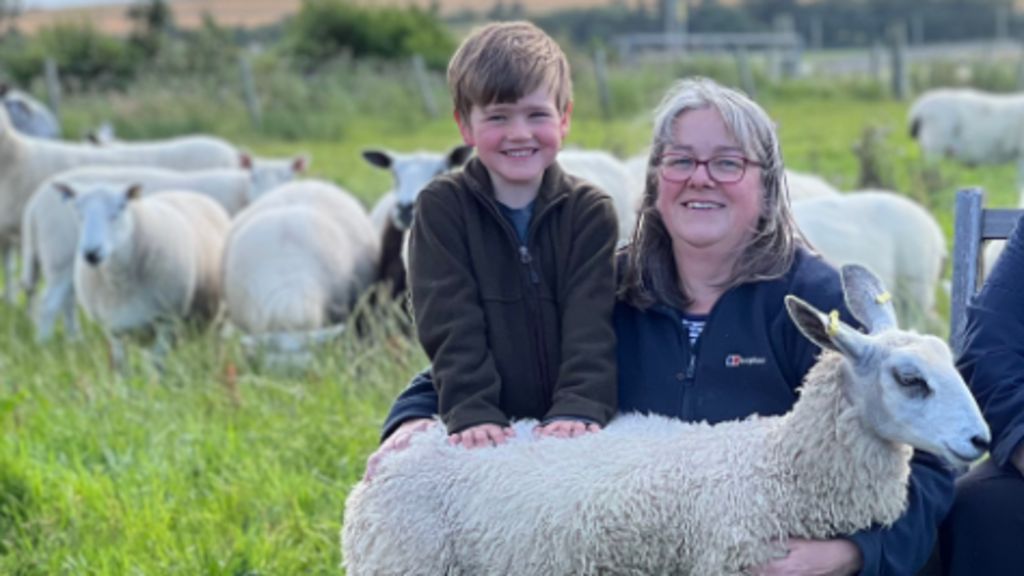
A Scottish farmer’s encounter with a rare bacterial infection during an Australian holiday has fundamentally reshaped her approach to life and work over a transformative decade-long health journey. Sally Crowe, a 48-year-old Caithness crofter featured on BBC’s This Farming Life, contracted Q fever in 2012 while visiting friends working in a sheep-shearing facility in Western Australia.
The initial symptoms manifested upon her return to the UK as severe flu-like sensations that medical professionals struggled to diagnose. After 18 months of uncertainty and being misdiagnosed with chronic fatigue syndrome (ME), doctors finally identified the condition as chronic Q fever—a rare airborne disease transmitted from farm animals that affects only approximately 5% of those exposed.
The subsequent years brought profound challenges as Sally transitioned from an active farming lifestyle to being bedbound for up to 18 hours daily. The treatment landscape in Scotland proved limited, prompting her to seek specialized medical intervention from South Africa in 2016. Her year-long therapeutic regimen involved alternating weeks of antibiotics and anti-malarial medications, which initially exacerbated her discomfort before gradually restoring functionality.
This health crisis precipitated a complete re-evaluation of priorities. Sally embraced IVF treatment and welcomed her son William in 2019, catalyzing a shift from work-centric living to quality family time. She implemented strategic energy management on her 65-acre family croft—established in 1972 and home to 60 breeding ewes, nine cattle, and numerous hens—alternating physical tasks with cognitively demanding activities across days.
Medical authorities note that Q fever, while typically harmless, can develop into chronic conditions causing serious cardiovascular complications like endocarditis. The infection spreads primarily through contact with infected animals’ bodily fluids and tissues, posing particular risks to agricultural workers, veterinarians, and abattoir personnel. No licensed vaccine currently exists within the UK healthcare system.
Sally’s narrative transcends medical statistics, embodying a powerful testament to resilience and reprioritization. She now consciously reserves weekends for meaningful interactions with her six-year-old son, recognizing the transient nature of childhood. Her experience underscores the importance of balancing occupational demands with personal fulfillment, offering insights relevant both to agricultural communities and broader discussions about occupational health risks and post-recovery life adaptation.