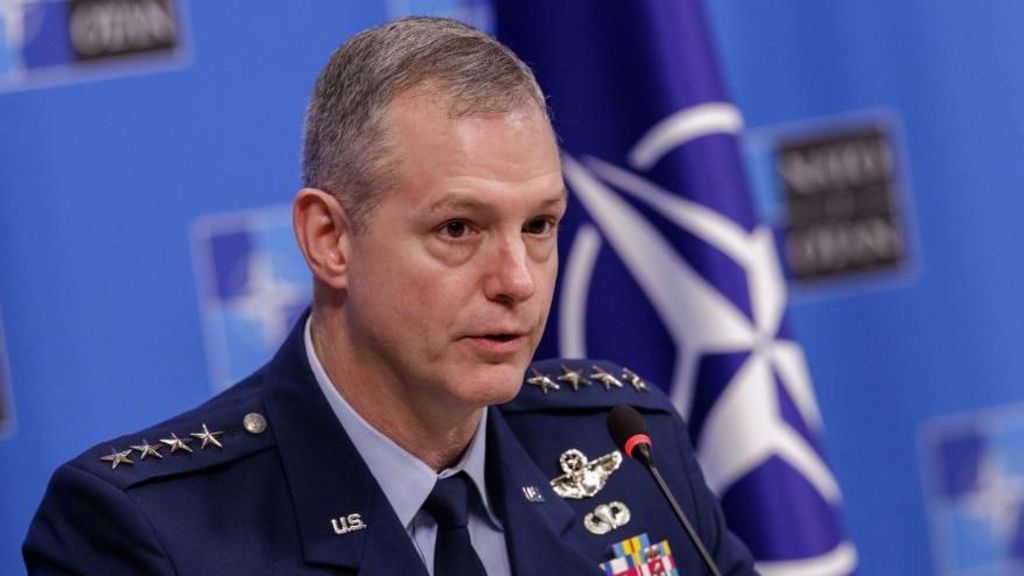
In a significant diplomatic breakthrough, the United States and Russia have agreed to restore high-level military communications following a crucial meeting in Abu Dhabi. The discussions occurred alongside broader talks addressing the ongoing conflict in Ukraine, marking a notable step toward de-escalation between the world’s two foremost nuclear powers.
U.S. European Command confirmed the development in an official statement, emphasizing that the reestablished dialogue aims to foster “consistent military-to-military contact” as both nations work toward achieving a durable peace. This move aligns with former President Donald Trump’s repeatedly stated objective of normalizing U.S.-Russia relations.
The timing of this announcement is particularly critical, coinciding with reports that both countries are negotiating an extension of the New START nuclear arms reduction treaty, which is set to expire imminently. Historically, even during periods of intense confrontation, Washington and Moscow have maintained open channels between their armed forces to prevent misunderstandings and reduce escalation risks. However, these communications were severed in 2021, just prior to Russia’s full-scale invasion of Ukraine.
Since the suspension, several incidents have heightened tensions, including Russian drones and warplanes entering NATO airspace, and U.S. unmanned aircraft operating over Syria and the Black Sea. The new agreement was finalized during talks in the United Arab Emirates, involving U.S. General Alexus Grynkewich—America’s and NATO’s top general in Europe—along with senior Russian and Ukrainian military officials.
U.S. European Command underscored the importance of this renewed engagement, stating, “Maintaining dialogue between militaries is an important factor in global stability and peace, which can only be achieved through strength, and provides a means for increased transparency and de-escalation.” The primary objective is to minimize miscalculation and prevent unintended escalation by either side.
While limited contact between U.S., NATO, and Russian military officers has occurred in recent years, this agreement institutionalizes a regular, high-level dialogue. Meanwhile, Russia expressed regret over the impending expiration of New START but affirmed its readiness to engage in discussions. The Kremlin has proposed extending the treaty, and spokesman Dmitry Peskov indicated that Russia would respond positively to U.S. cooperation.
According to Axios, negotiations intensified over the past 24 hours in Abu Dhabi, with both countries nearing an agreement to uphold key provisions of New START. The treaty, originally signed in 2010, limits each side to 1,550 strategic nuclear warheads and 700 bombers or missiles. Its expiration would mark the first time in half a century that no legal framework exists to curtail the nuclear ambitions of either nation.