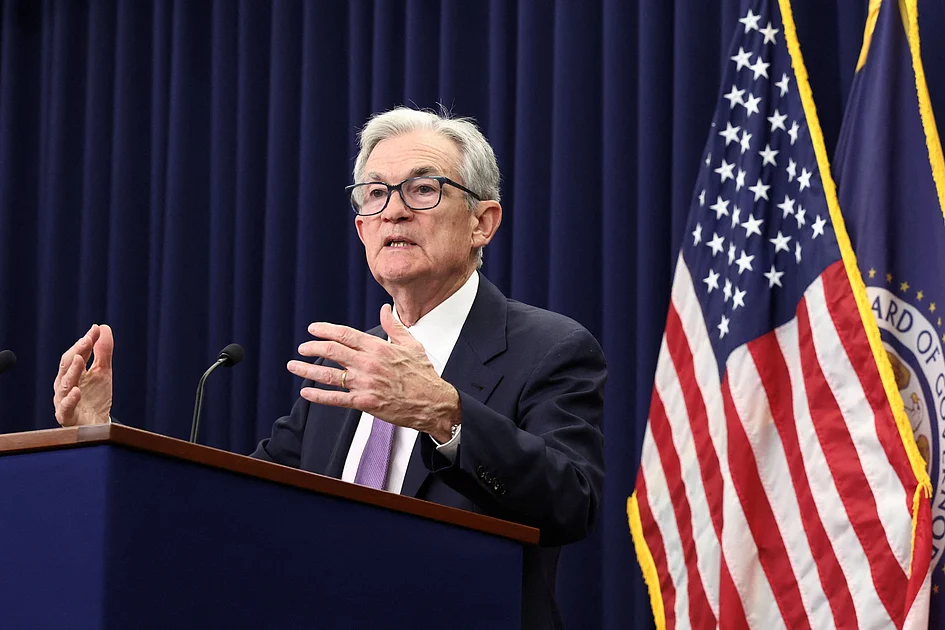
In an extraordinary display of institutional unity, central bank governors from across the globe issued a rare joint statement on Tuesday expressing unwavering support for Federal Reserve Chair Jerome Powell following threats of criminal indictment from the Trump administration. The unprecedented collective action came as political pressure on the world’s most powerful financial institution reached critical levels.
The controversy stems from Powell’s congressional testimony last summer regarding renovations to the Federal Reserve’s headquarters, which the chair characterized as a ‘pretext’ for gaining presidential influence over interest rate decisions. This confrontation represents the most significant challenge to central bank independence in modern history, with President Trump having repeatedly demanded lower rates and applied pressure on individual policymakers.
Leading the coordinated response were the European Central Bank, Bank of England, and Bank of Canada, joined by eight other major institutions including those of Sweden, Denmark, Switzerland, Australia, South Korea, Brazil, and France. The coalition emphasized that central bank independence serves as the fundamental cornerstone of price stability, financial security, and economic predictability that benefits all citizens.
According to sources familiar with the diplomatic effort, ECB President Christine Lagarde played a pivotal role in orchestrating the response, while Bank for International Settlements General Manager Pablo Hernandez de Cos facilitated coordination among individual governors. Notably absent from the initial signatories was the Bank of Japan, though sources indicated the institution had expressed preliminary support and might still join the statement.
Financial experts warn that political interference with the Fed’s autonomy could severely undermine market confidence in its inflation management commitments, potentially triggering higher inflation rates and increased global financial volatility. Given the dominant position of the U.S. economy, such instability would likely propagate through international markets, complicating other central banks’ efforts to maintain price stability.
The statement concluded with a powerful reaffirmation: ‘It is therefore critical to preserve that independence, with full respect for the rule of law and democratic accountability.’ This remarkable show of solidarity transcends typical international financial cooperation, representing a defensive stance against what many perceive as an existential threat to the global economic architecture.