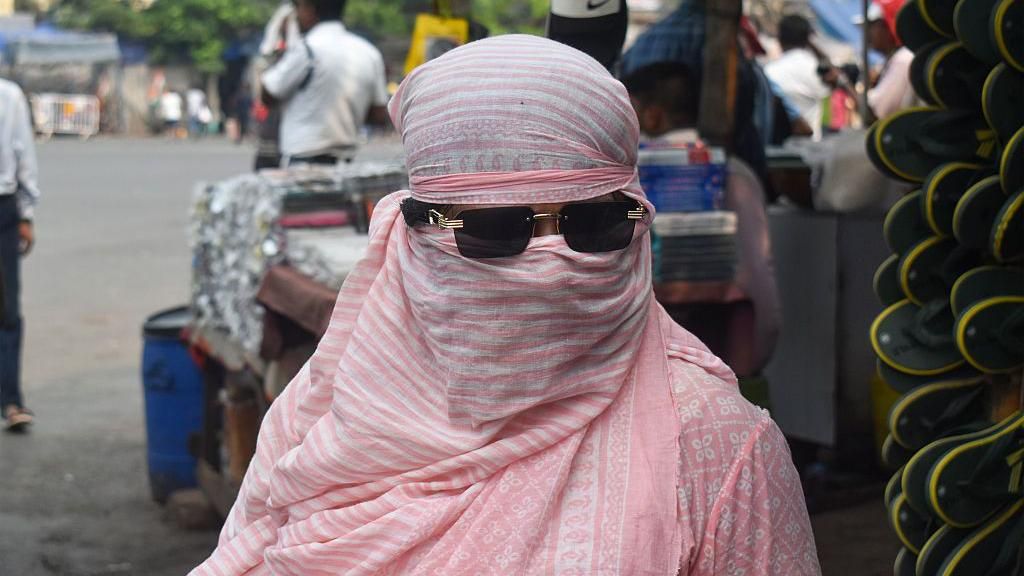
India has been grappling with increasingly severe heatwaves, a phenomenon exacerbated by climate change, according to a recent report by The Lancet. The study revealed that nearly one-third of the 19.8 heatwave days recorded in India in 2024 were directly attributable to human-induced climate change, equating to 6.6 days that would not have occurred otherwise. These extreme temperatures have had profound consequences, resulting in the loss of 247 billion potential labor hours, primarily in agriculture and construction, and causing an estimated economic loss of $194 billion. The report also highlighted the escalating health risks associated with prolonged exposure to extreme heat, including dehydration, heatstroke, cardiovascular stress, and increased mortality, particularly among vulnerable populations such as the elderly, infants, and outdoor workers. The Lancet Countdown report, a key scientific reference on the health impacts of climate change, emphasized that the health risks posed by rising global temperatures are now more severe than ever. It noted that 152 record-breaking extreme weather events occurred across 61 countries in 2024, with life-threatening heat events becoming more intense than previously predicted. Jeremy Farrar, assistant director-general for Health Promotion and Disease Prevention and Care at the World Health Organization (WHO), stated, ‘The climate crisis is a health crisis. Every fraction of a degree of warming costs lives and livelihoods.’ The report also found that heat-related mortality has increased by 23% worldwide since the 1990s, with an average of around 546,000 deaths annually. Additionally, the report shed light on India’s worsening air quality, particularly in the Indo-Gangetic plains, where air pollution levels have remained in the ‘poor’ to ‘very poor’ categories, sometimes reaching hazardous levels. In 2022, atmospheric pollution, primarily caused by PM2.5 pollutants, was responsible for 1.7 million deaths, with 44% of these deaths linked to harmful emissions from burning fossil fuels. The report also highlighted the deadly impact of heavy reliance on biofuels such as wood, dung, and crop residue for cooking, which continues to claim thousands of lives, especially among women and children in rural areas. The findings were released ahead of the COP30 summit in Brazil, underscoring the urgent need for global action to address the intertwined crises of climate change and public health.