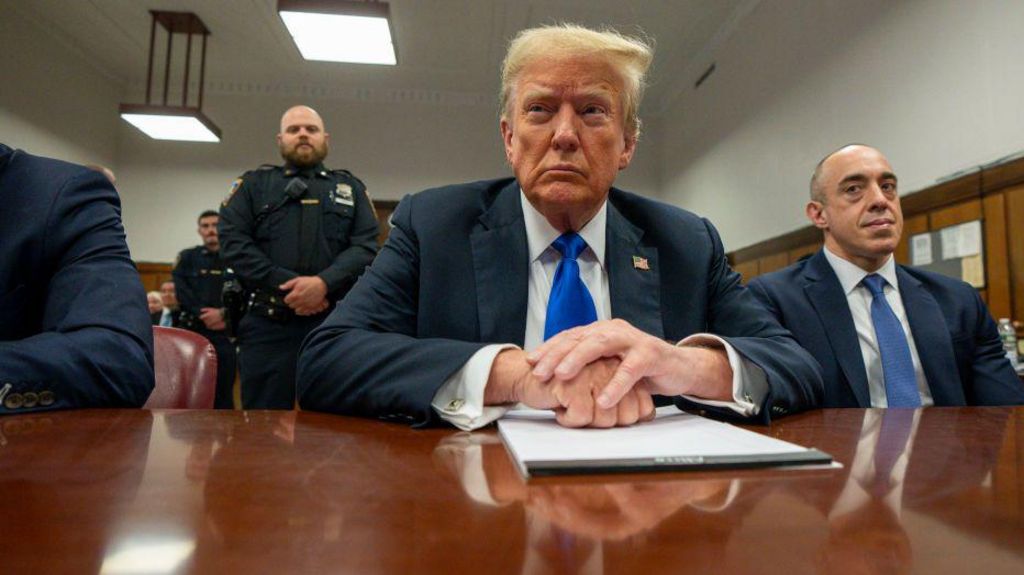
Former US President Donald Trump has launched an appeal to overturn his May 2024 criminal conviction in the high-profile hush-money case, asserting that presidential immunity shields him from prosecution. Trump was unanimously found guilty by a New York jury on 34 felony counts of falsifying business records. Despite the conviction, a New York judge granted him an unconditional discharge in December, citing his imminent return to the White House, meaning he faced no jail time or fines. Trump’s legal team has labeled the case as “the most politically charged prosecution in our nation’s history” and argued that it should never have reached the courtroom. The Manhattan District Attorney’s office, which prosecuted Trump, has yet to comment on the appeal. The case stems from allegations that Trump directed his former lawyer, Michael Cohen, to pay $130,000 to adult film star Stormy Daniels to silence her claims of a past sexual encounter before the 2016 election. While the payment itself was not illegal, prosecutors claimed Trump fraudulently recorded reimbursements to Cohen as legal expenses to conceal the transaction’s true purpose. The trial coincided with Trump’s re-election campaign, with prosecutors arguing that the cover-up constituted election interference by withholding critical information from voters. Trump has consistently denied all charges. Following the conviction, the US Supreme Court ruled in June 2024 that presidents enjoy broad immunity from criminal prosecution for “official acts” during their tenure. Trump’s lawyers have since argued that this immunity should apply to the hush-money case and that certain evidence should have been excluded as it pertained to his first presidency. Justice Juan Merchan, who presided over the case, rejected this argument, but Trump’s team has long signaled their intent to appeal. The case will now proceed to the New York Appellate Division, First Department, which previously dismissed a $500 million civil fraud penalty against Trump in a separate case brought by New York Attorney General Letitia James. While the appellate judges upheld the fraud finding, they deemed the financial penalties unjustified.