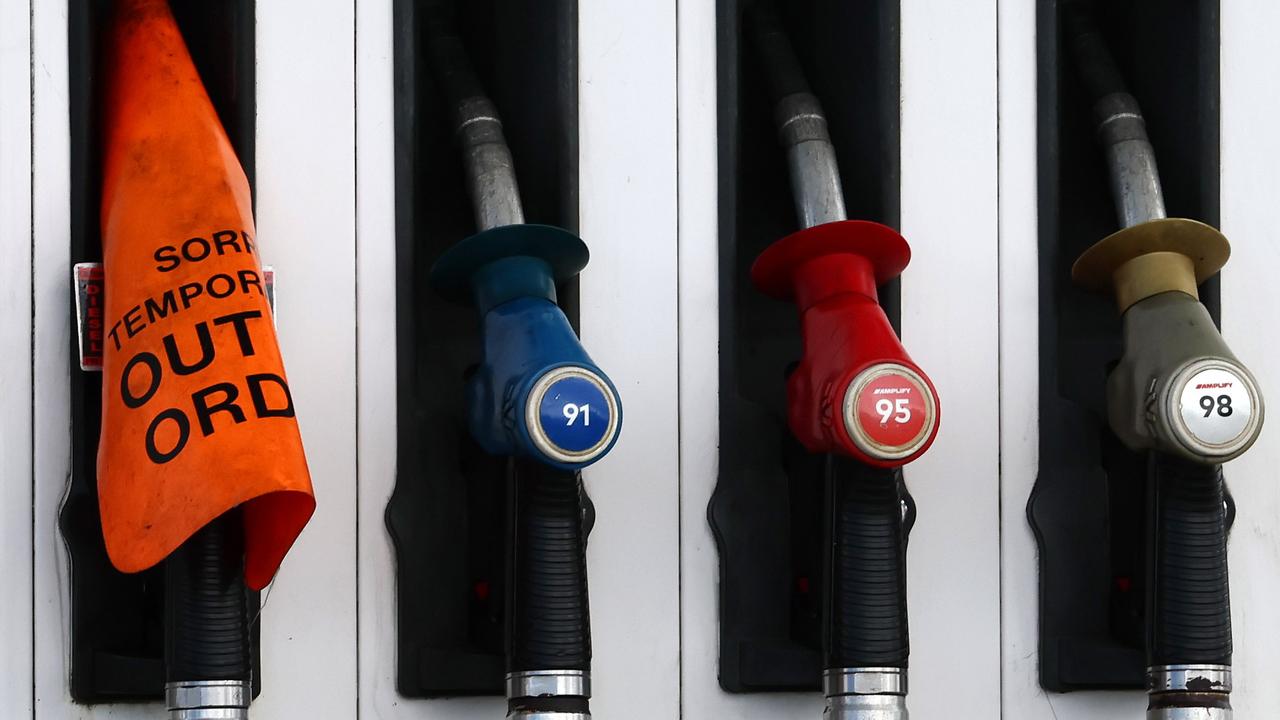
Australia is currently facing localized diesel shortages that have left around 3.4% of its national service stations without the critical fuel, Energy Minister Chris Bowen has confirmed, with the problem most acute in New South Wales as authorities intentionally prioritize supplies to local farmers during key planting season.
Speaking to reporters at the close of the Easter long weekend – a period that saw overall national fuel demand jump by as much as 30% due to increased travel – Bowen explained that the concentrated shortages in NSW were a deliberate trade-off to protect the nation’s food security. With the state in the heart of sowing and seeding season, Bowen said industry and government partners agreed to redirect available diesel supplies to agricultural operations to ensure farmers could plant their crops on schedule.
“In New South Wales in particular, where we’ve been focusing with the industry on getting fuel to farmers because it’s sowing and seeding season, so therefore our service station numbers out of diesel have been higher than anyone would like,” Bowen told reporters. “Because I think rightly, people have been prioritised in getting diesel to our farmers to make sure they can get the seeds into the ground.”
Bowen also publicly thanked fuel industry workers and retail staff who worked through the Easter holiday period to restock supplies and mitigate disruptions, noting that many employees gave up their long weekend break to address the shortage. As of Sunday, Bowen reported that 145 service stations across NSW remained out of diesel, down from 182 just two days prior – a change he framed as significant progress in restocking retail supplies, with full national updated data expected to be released Monday.
Despite the current localized shortages, Bowen confirmed that Australia’s national fuel reserve remains secure through the month of May. As of the latest update, the country holds 39 days of reserve petrol supplies, 29 days of diesel reserves, and 29 days of jet fuel reserves. But the minister warned that long-term disruptions to global energy markets caused by the ongoing Middle East conflict cannot be fully forecast, even after major OPEC+ producers announced plans to raise output.
The current global energy shock stems from the recent outbreak of conflict in the Middle East, which has led to the closure of the Strait of Hormuz – the critical global shipping chokepoint through which roughly a fifth of the world’s daily oil supplies pass. The closure has cut off oil exports from major OPEC+ producers including Saudi Arabia, the United Arab Emirates, Kuwait and Iraq. Even if the strait reopens immediately, Bowen said long-term damage to energy infrastructure will keep markets volatile for years.
“There’s been gas fields and production facilities bombed. They take five years to rebuild, for example. So there’s going to be some impact,” Bowen told Australia’s Seven Network in an earlier interview. “The sooner the Strait opened, the sooner the international economy would settle and fuel prices would normalise. But every bit of delay means that tail, that tail is going to be there for quite a while and maybe show itself in ways that can’t 100 per cent be predicted.”
Over the weekend, OPEC+ announced a plan to increase collective production quotas by 206,000 barrels per day starting in May. Industry sources told Reuters the move is largely symbolic right now, since major producers cannot export additional crude while the Strait of Hormuz remains closed, but it signals producers are prepared to ramp up output immediately once the waterway reopens.
Global oil prices have already jumped to a four-year high of roughly $US120 per barrel, driven by reduced export volumes out of the Middle East. Financial firm JP Morgan has warned that prices could surge to $US150 per barrel if the strait remains closed through mid-May. Higher global prices have filtered through to Australian markets, while geopolitical uncertainty has also spurred panic-buying and increased demand for diesel across the country.
Viva Energy’s Geelong oil refinery, one of Australia’s largest, recorded a 30% increase in diesel sales in the two days leading up to Easter compared to the same period in 2024, Bowen confirmed. While diesel demand remains far above normal levels, Bowen added that domestic petrol demand has returned to typical pre-shortage levels.
The conflict has also drawn inflammatory commentary from former U.S. president Donald Trump, who posted a violent threat on his Truth Social platform overnight Australian time. Trump called for the immediate reopening of the Strait of Hormuz and threatened to attack Iranian civilian infrastructure, writing: “Tuesday will be Power Plant Day, and Bridge Day, all wrapped up in one, in Iran. There will be nothing like it!!! Open the F***in’ Strait, you crazy bastards, or you’ll be living in Hell – JUST WATCH! Praise be to Allah. President DONALD J. TRUMP.”
Admitting that gaps in retail diesel supply remain unacceptable for many Australian motorists and businesses, Bowen acknowledged that “more work to do” to fully resolve the shortages, while noting that all possible steps are being taken to stabilize domestic supplies amid ongoing global volatility.