DETROIT — Federal law enforcement authorities announced criminal charges Tuesday against two senior U.S. government virologists accused of smuggling vials of deactivated mpox virus into the United States from central Africa and lying about the unauthorized samples during customs interviews at Detroit Metropolitan Airport.
A federal criminal complaint unsealed in Detroit’s U.S. District Court names Vincent Munster, head of the virus ecology section at Rocky Mountain Laboratories, a National Institutes of Health facility based in Hamilton, Montana, and Claude Kwe, a research collaborator who works alongside Munster. Both were taken into custody following their January 2024 stop at the Detroit airport after traveling to the U.S. from Paris, following a nine-day research trip to the Republic of Congo, according to court documents.
The Republic of Congo, located in central Africa, has been the epicenter of a devastating mpox outbreak that killed more than 2,000 people over the past two years, before global health authorities declared the public health emergency over in April. When the pair was stopped for routine customs screening after their international flight, Munster “adamantly denied” bringing any biological samples or materials into the country with him, FBI agents wrote in a formal court filing.
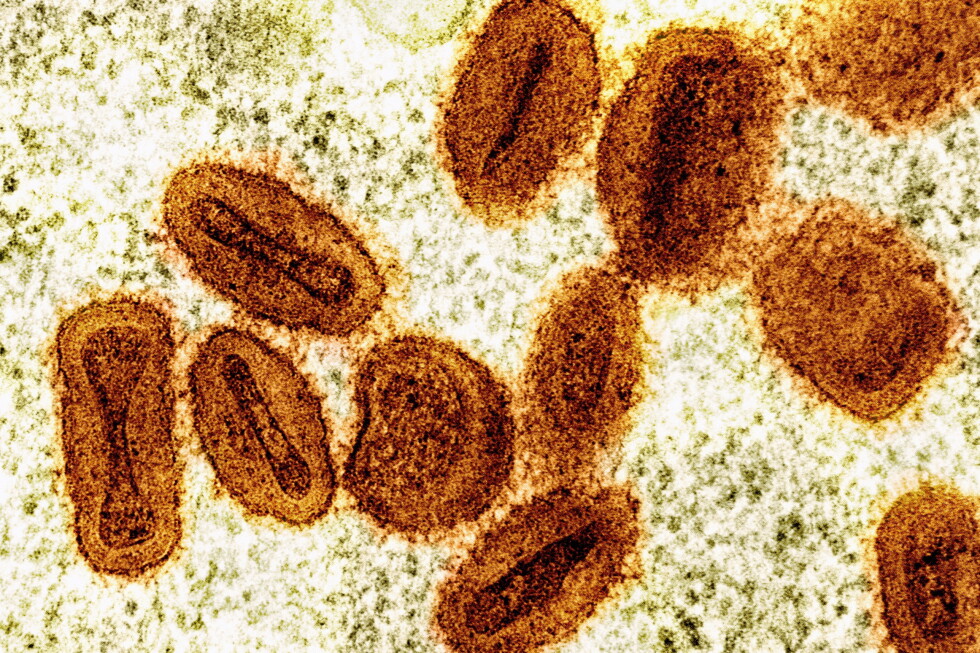
However, subsequent forensic testing confirmed that the two researchers were carrying multiple vials of deactivated mpox virus in their luggage, the FBI confirmed. The pair failed to declare the biological materials to U.S. customs and border protection officials and did not secure the required legal permits to transport the virus samples into the country.
Marcus Sykes, a supervisory investigator with the U.S. Department of Health and Human Services Office of Inspector General, emphasized the severity of the alleged conduct in a statement accompanying the charges. “Any deliberate effort to conceal and smuggle biological materials into the United States without proper authorization is a breach of the public’s trust and could have placed the public at risk,” Sykes said.
Court records do not include any explanation for why the researchers allegedly chose to smuggle the deactivated samples into the country rather than follow standard permit protocols. But investigators confirmed that both scientists have spent years leading public health research on mpox, so the samples were intended for their ongoing lab work. When pressed about documentation for the materials, Munster told investigators the necessary paperwork was stored on his personal laptop, but added, “you don’t need them. I do this all the time,” according to the FBI’s official transcript of the airport interview.
FBI analysts concluded that Munster’s statements to customs officers about holding the required documentation were “materially false.”
To provide context for the public, the World Health Organization notes that mpox, which was renamed from monkeypox in 2022, typically causes mild to moderate symptoms including rash and fever, though it can lead to severe illness in vulnerable groups, and most patients make a full recovery. The virus was first discovered in 1958, when pox-like outbreaks were detected in research monkey colonies. For decades, nearly all human cases were limited to central and West Africa, linked to close contact with infected wild animals. That pattern shifted dramatically in 2022, when researchers confirmed mpox could spread through close sexual contact, triggering unprecedented outbreaks across more than 70 non-endemic countries around the world.
As of Tuesday, neither Munster nor Kwe had issued a public response to the charges, and they did not reply to media requests for comment ahead of their scheduled first appearance in federal court in Missoula, Montana on Wednesday. The National Institutes of Health, which oversees Rocky Mountain Laboratories and falls under the umbrella of the U.S. Department of Health and Human Services, also did not immediately respond to a request for comment.