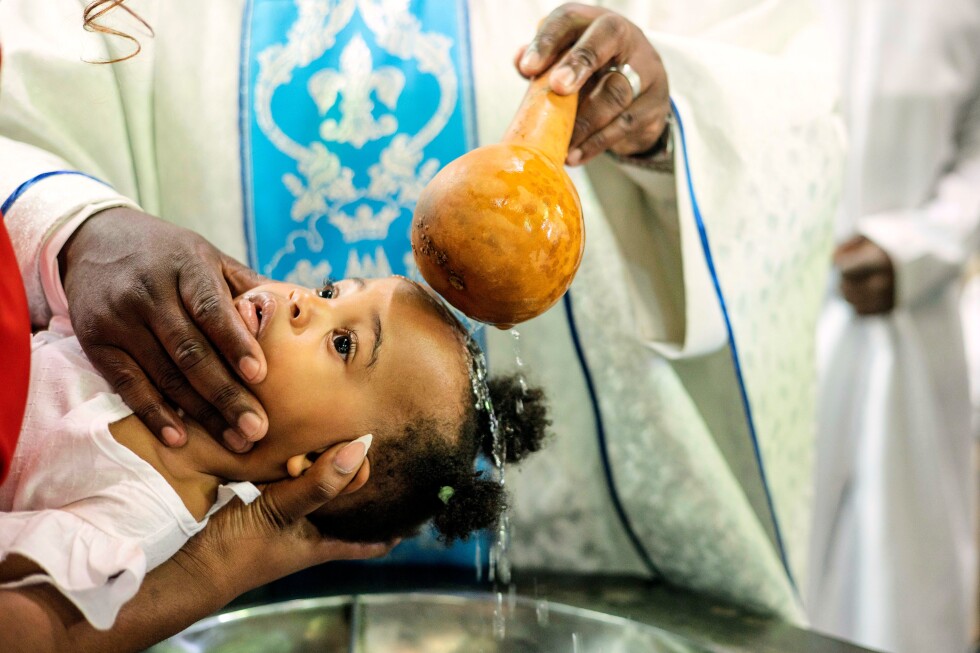
In Zimbabwe, a country in southern Africa with a deep, layered cultural history, naming a newborn child is far more than a simple act of assigning personal identity. Unlike the common practice of picking names for aesthetic or familial tradition in many parts of the world, Zimbabwean naming conventions turn common English words into living, breathing narratives that capture the emotions, struggles, joys and circumstances of a family at the moment a child enters the world.
For 37-year-old Harare bar manager Privilege Mubani, her name only revealed its full, meaningful backstory as she entered adulthood. Raised never questioning the moniker she carried from birth, Mubani finally asked her father to explain the choice behind her name. What she learned unlocked an unexpected story of stigma, resilience, and quiet gratitude.
Mubani’s mother had become pregnant before marriage, a status heavily stigmatized in Zimbabwe’s conservative social landscape, where single motherhood is widely frowned upon. Having already resigned herself to a lifetime of unmarried status and public judgment, her mother was surprised when a suitor chose to marry her despite the social stigma attached to her pregnancy. The experience left her feeling redeemed after months of public mockery for carrying a so-called “fatherless” child. “Naming me Privilege was her own expression of gratitude,” Mubani explained with a grin.
Zimbabwe’s widespread use of English words for given names traces its roots partially to the country’s history as a former British colony, as well as its status as a majority Christian nation, where English remains the official language and the dominant medium of instruction in schools and government operations. But experts explain that the practice of embedding personal and social narrative into names runs much deeper than colonial influence.
David Chikwaza, a decolonization researcher at Dublin City University’s School of History and Geography, notes that pre-colonial African naming traditions have long carried deep symbolic weight, rooted in the region’s spiritually oriented cultural norms. “Parents would name their child as a way of addressing a societal or a personal issue,” Chikwaza explained. “Colonialism promoted English as a language of sophistication, so Africans simply turned to the English vocabulary for expression, but the meanings remain the same” as they did in pre-colonial naming practices.
This one-of-a-kind naming culture has often caught the attention of international observers and outsiders. During the 2024 African Cup of Nations soccer tournament, Zimbabwe’s national men’s team went viral on social media worldwide, after users were struck by the striking, meaningful names on the team roster: players including Teenage, Godknows, Divine, Marvellous, Knowledge, Prince and Prosper sparked widespread amusement and fascination on platforms like TikTok, where one user commented she could barely believe the names were real.
The unusual names have also become a source of comedy for international performers. Learnmore Jonasi, a Zimbabwean comedian who reached the finals of *America’s Got Talent* in 2024, regularly draws laughs from U.S. audiences by joking about his own name and the wide array of unconventional monikers common back home. Beyond Privilege and Learnmore, common names that raise eyebrows abroad include Givemore, Best, Promise, Guarantee, Anxious, Innocent, Confidence, and Hardlife—all of which are unremarkable within Zimbabwe.
For many Zimbabweans, these narrative names are a source of deep personal pride, and many see their names as a standard to live up to. Lovejoy Mutongwiza, a 33-year-old journalist and chief executive of independent online news outlet 263chat, describes his name as a perfect reflection of his own identity and his parents’ experience. “My mum and dad said they were madly in love and in a happy place in their lives when they conceived me, so they aptly named me Lovejoy,” he said. “It’s a befitting name. I think I have lived up to it because I am rarely angry. I am naturally a bubbly person.”
Even those with names that outsiders might see as burdensome or negative embrace their monikers as part of their cultural and family heritage. Fifty-one-year-old Shame Chikwana has never felt ashamed of his name, and turned down repeated pressure from his sister to change it to a more conventional name as an adult. “I would never trade it for any other name. I was named after my late grandfather so it’s a heritage I am carrying,” Chikwana said, adding that his parents have never shared why his grandfather received the name. “I hope it stays within the family for generations to come.”