For decades, widespread misunderstanding of China has persisted across much of the Western world. Mainstream public discourse and media coverage too often fixate on a simplistic “China threat” framework, with critics routinely focusing on perceived flaws in China’s political system and debates over personal freedoms while overlooking how China has risen to become a global power capable of competing on the world stage alongside the United States. At the root of this persistent disconnect, experts argue, is a long-standing habit of filtering China’s actions through a strictly Western-centric lens that fails to capture the domestic context and framing of Chinese policy.
A striking example of this divergent interpretation can be seen in how upcoming summits between sitting U.S. presidents and Chinese leadership are covered: while Chinese audiences receive summit coverage framed around diplomatic cooperation and mutual respect, Western analysts often dissect every word from China’s leader for hidden agendas, coded threats, and veiled provocations. This narrow approach, however, leads many analysts to overlook the intentional rhetorical tools the Chinese government uses to explain and legitimize its actions to both domestic and global audiences.
A new collaborative research project led by scholars from the University of Sydney and France’s Gustave Eiffel University offers a fresh, innovative framework for unpacking China’s grand strategy: close analysis of the intentional political storytelling woven into top Chinese leadership’s major public addresses. This work fits into a growing body of modern scholarship that frames contemporary geopolitics as increasingly a contest of competing narratives, where global powers shape global and domestic perceptions through how they tell stories about themselves and other nations.
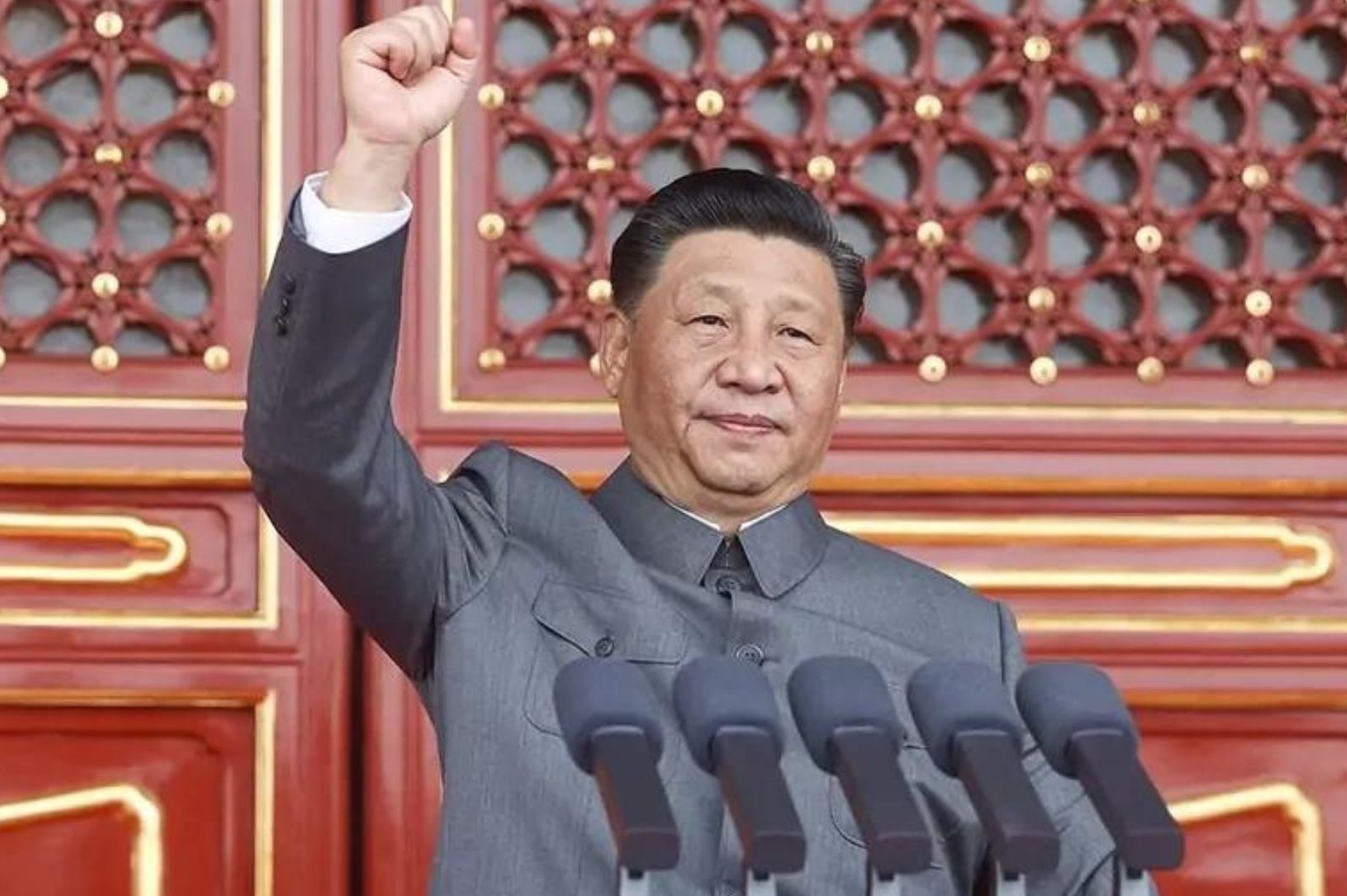
To conduct their analysis, the research team examined four key major speeches delivered by Chinese President Xi Jinping between 2021 and 2023, treating each address as a structured narrative and dissecting its core plots, central characters, and linguistic choices to uncover the underlying strategic messaging behind the text.
Political storytelling is far from a modern innovation. As far back as ancient Athens and Rome, statesmen relied on deliberate, powerful rhetoric to persuade their audiences, with the philosopher Aristotle formalizing rhetoric’s three core persuasive pillars: logical argument (logos), emotional appeal (pathos), and speaker credibility (ethos). Modern rhetorical theorist Kenneth Burke expanded this work, arguing that shared rhetoric builds collective purpose between leaders and their publics, but can also be used to draw dividing lines between in-groups and out-groups. Communications scholar Michael Kent later built on this foundation to identify 20 recurring “master plots” that storytellers across cultures and eras have used to craft compelling, persuasive narratives, including core arcs like quest, adventure, transformation, rivalry, and sacrifice.
Applying Kent’s master plot framework to Xi’s speeches, the research team identified five core recurring narrative arcs that consistently shape official Chinese strategic messaging:
First, the adventure plot. In Xi’s 2021 speech marking the 100th anniversary of the founding of the Chinese Communist Party, he recounts how the Chinese people waged a courageous struggle to lift the nation from the peril of foreign occupation and internal collapse. This narrative frames China’s modern rise as a generations-long collective journey toward national strength and shared prosperity, marked by repeated setbacks and hard-won breakthroughs. It leans on shared national memories of hardship and endurance to build collective solidarity among domestic audiences.
Second, the quest plot. Xi’s addresses consistently frame China’s modern development as a collective quest toward the difficult, unprecedented goal of national rejuvenation, led exclusively by the Chinese Communist Party. In his 2022 report to the 20th National Party Congress, Xi emphasized that China’s path forward has no pre-written instruction manual or off-the-shelf template, framing the nation’s effort as an unprecedented historical undertaking. This narrative is designed to inspire unified national purpose, patriotic sentiment, and collective pride among domestic listeners.
Third, the transformation plot. In his 2023 address to the 14th National People’s Congress, Xi outlined China’s historic transformation from a nation humiliated by foreign interference to a country that has stood up, grown prosperous, and now emerged as a strong global power, framing national rejuvenation as an inevitable historical outcome. Unlike generic stories of change, this transformation narrative positions China’s rise as a natural, organic evolution built on decades of gradual reform and collective sacrifice by the Chinese people.
Fourth, the rivalry plot. This narrative centers on framing both internal and external threats to China’s stability and sovereignty. In two of the four speeches analyzed, Xi referenced ongoing efforts by foreign powers to “blackmail, contain, blockade, and exert maximum pressure on China,” drawing connections to the historical period of foreign domination that caused widespread suffering for the Chinese people. In the 100th anniversary CCP speech, Xi warned that any power that attempts to undermine China’s interests will “find themselves on a collision course with a great wall of steel forged by over 1.4 billion Chinese people.” This narrative reinforces the message that China must remain united and vigilant against outside pressure.
Fifth, the narrative of collective and international goodwill. Unlike romantic love plots, this arc centers on the loyalty, dedication, and gratitude the Chinese leadership holds for supporters both at home and abroad. For example, in the 100th anniversary speech, Xi extended heartfelt thanks to global communities and individuals who have extended friendship to the Chinese people and supported China’s efforts in revolution, development, and reform.
This intentional narrative messaging carries powerful impact for domestic Chinese audiences. It is reinforced consistently across state media, popular cultural products, and national patriotic education curricula to reach the widest possible audience. The recurring contrast between past national hardship and modern national strength helps shape public perception of China as a peaceful but resolute global actor.
For international audiences, unpacking these narrative frameworks also offers critical insight into how China frames its own actions and anticipates its future policy responses. For example, China’s consistent narrative of historical humiliation and the centrality of defending national sovereignty helps explain the country’s uncompromising stance on the Taiwan issue, and reinforces the Chinese Communist Party’s domestic legitimacy on the question of territorial integrity. Importantly, the research team notes that this narrative framing does not predetermine that military conflict over Taiwan is inevitable: any future decision on the issue will depend on a wide range of strategic factors, including careful risk calculation, China’s deep economic interdependence with the global economy, and the catastrophic potential consequences for the entire region and its people.
Narrative analysis alone cannot fully predict or explain every Chinese policy choice, as complex strategic and economic calculations remain central to all major decisions. However, the framework offers a rare, clear window into the core strategic thinking of China’s top leadership – an insight that is particularly valuable for understanding policy direction in China’s political system.