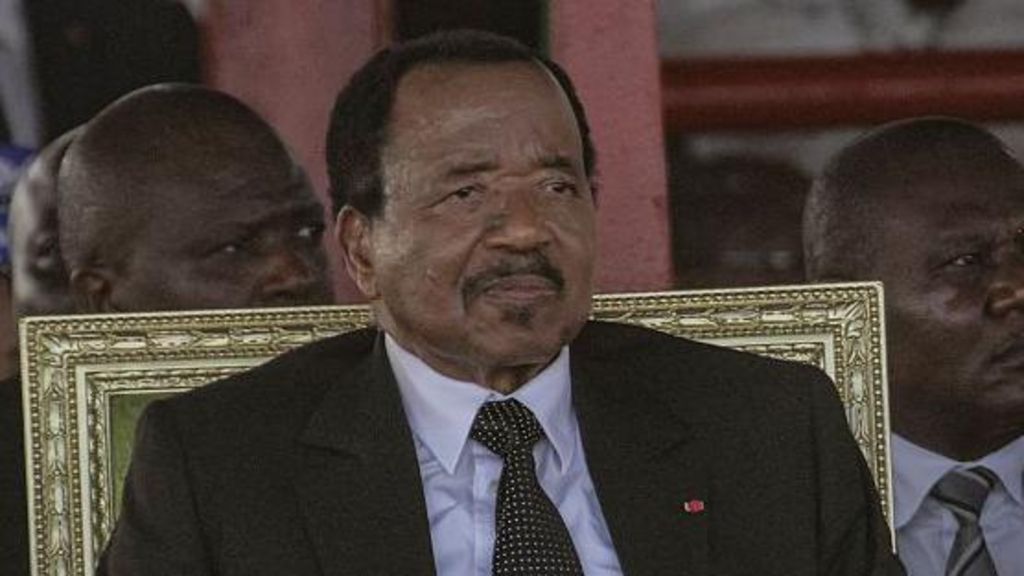
After 41 years of uninterrupted rule by 91-year-old President Paul Biya — the world’s oldest serving head of state — Cameroon’s parliament has passed a landmark constitutional amendment to reinstate the office of vice-president, a post abolished nearly 50 years ago, triggering fierce backlash from the country’s opposition and raising new questions about the nation’s political future.
The reform, approved Saturday during a joint sitting of Cameroon’s upper and lower legislative chambers, passed by a wide margin: 200 lawmakers supported the bill, 18 voted against it, and four abstained. It will take effect once signed by President Biya, who has led the central African nation since November 1982. Under the new rules, if Biya is incapacitated or passes away while in office, the appointed vice-president will automatically assume the presidency and complete the remaining seven-year term, rather than triggering an immediate snap election. Prior to this change, the constitution designated the Senate president to serve as interim president only until a new election could be organized.
The vice-presidency has not existed in Cameroon since 1972, when a national referendum replaced the country’s original federal system — which granted autonomy to its French-speaking and English-speaking regions — with a unitary state. The abolition of the post came alongside the end of a longstanding convention that split the presidency and vice-presidency between the two linguistic communities. For years, persistent private speculation has swirled around Biya’s health, though public discussion of the topic remains a taboo in Cameroon. The president has repeatedly refuted rumors of his death by appearing in public following extended periods out of the public eye.
Government supporters frame the reform as a practical adjustment to streamline governance and succession planning. Proponents argue the change boosts administrative efficiency by creating a clear, permanent line of succession when a stand-in for the president is required, while also removing succession-related burdens from the Senate to allow the body to focus on its core legislative work. The new framework specifies that the vice-president will be directly appointed by the sitting president, rather than elected via popular vote alongside the head of state.
Opposition groups have decried the amendment as a power grab rushed through parliament without inclusive national consultation. The Social Democratic Front (SDF), Cameroon’s main opposition party which holds six parliamentary seats, boycotted the vote entirely. The party had pushed for two key changes that were not adopted: it called for the vice-president to be jointly elected on a ticket with the president, and for a return to the pre-1972 convention that splits the country’s top two offices between the anglophone and francophone communities, to reflect Cameroon’s linguistic divide. SDF chairman Joshua Osih called the reform a “missed historic opportunity,” noting that what could have been a moment of transformative political courage ended as a wasted chance to address longstanding national divides.
Other senior opposition figures have gone even further in their criticism. Maurice Kamto, leader of the Cameroon Renaissance Movement, labeled the amendment a “constitutional and institutional coup” carried out by Biya’s ruling party. Kamto accused the incumbent administration of working to establish a “republican monarchy” and announced plans to launch a nationwide online campaign to oppose the change. Even one senator from Biya’s own ruling party has publicly described the legislative process behind the amendment as “suspicious.”
Biya’s extended tenure has already been marked by controversy: he won an eighth term in office last October with 53.7% of the vote, a result the opposition rejected as fraudulent. Now that the constitutional change has been approved, public and political discourse across Cameroon is dominated by one pressing question: who will Biya appoint as the country’s first vice-president in more than half a century? Even with the new succession framework in place, the long-term political trajectory of Cameroon beyond Biya’s rule remains deeply uncertain.