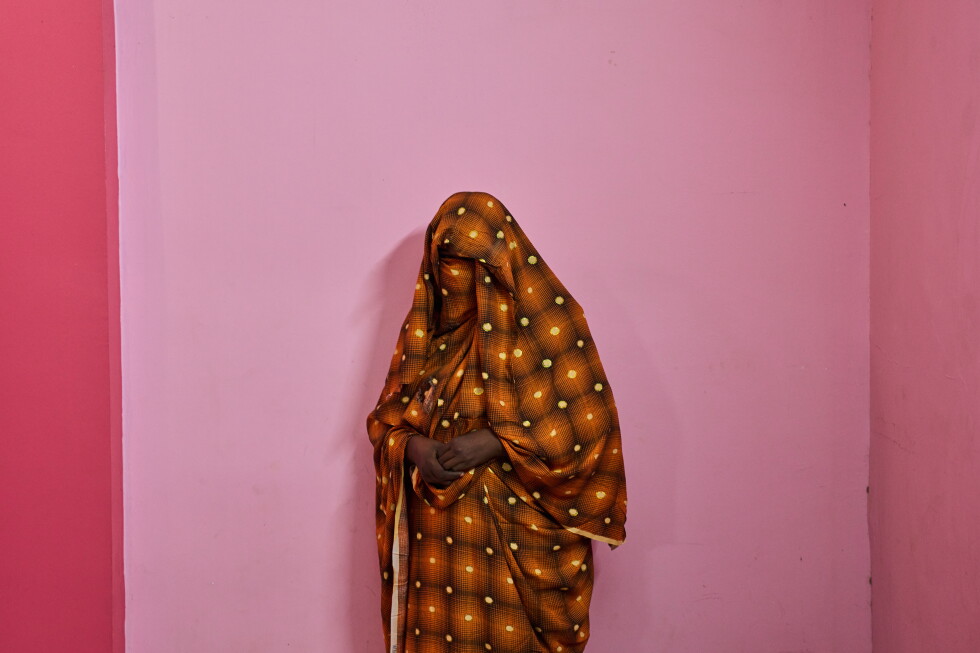
As Sudan’s brutal civil war stretches into its fourth year, survivors are breaking a long-standing cultural taboo to expose a horrific pattern of widespread sexual violence, abduction, and extortion being carried out by the country’s Rapid Support Forces (RSF), the paramilitary group blamed for the majority of these abuses. In on-the-record interviews with the Associated Press, three survivors shared graphic, harrowing accounts of their captivity, shining a new light on a crisis the United Nations has labeled one of the most defining characteristics of Sudan’s ongoing conflict.
The first survivor, a 38-year-old woman whose identity is being protected in line with standard reporting practice for sexual assault victims, fled her besieged home in el-Fasher, Darfur, in September 2024, just weeks before RSF forces captured the city in an assault the UN has confirmed bears the hallmarks of genocide. Her husband, a soldier, had already been killed in fighting, and her brother had been shot and critically wounded, requiring urgent medical care that could not be accessed in the embattled city. As the pair traveled to seek safety, RSF fighters ambushed their convoy.
Fighters separated women and children from male passengers, searching all men for shoulder marks that would indicate past military service. Everyone was forced to strip completely. When fighters moved to execute her wounded brother, the woman volunteered herself to take his place. She was bound, beaten, and thrown into the back of a truck alongside four other abducted women and teenage girls, who were then driven to an isolated, abandoned desert village.
For two days, the 38-year-old and the other captives were held naked, unfed, and bound in an open shelter, unable to move and forced to lie in their own waste. Multiple RSF fighters repeatedly raped the women, entering the shelter to select victims, assault them, and rebind them afterwards. “I was thinking about ending my life,” the survivor recalled, wiping away tears during the interview.
On the second day of captivity, her captors demanded a $1,500 ransom for her release. They gave her a mobile phone, ordering her to drain her bank account and contact relatives for additional funds. She transferred all she had, roughly $200, before being forced to reach out to her cousin on Facebook. After the cousin sent a second payment, fighters tortured the woman in front of him over a call, pressing a heated metal object into her fingernails to force more money. By the time she was released, her family had paid a total of roughly $700. Today, she remains haunted by the fates of the other women who could not raise their ransoms. Rights activists confirm most captives who cannot pay simply disappear in captivity.
Her account is not an isolated case. A second survivor, 30, was abducted from a Khartoum market in 2024 after the RSF seized control of the capital. She was held in a remote compound for two weeks, forced to cook, clean, tend cattle and bathe fighters, and raped every single night. Even after her relative in the United States paid a $1,250 ransom, her captors initially refused to release her. Only the unexpected compassion of one fighter, who smuggled her out under cover of night, secured her freedom. “They never missed a day … I have nightmares,” she told the AP.
The third survivor, abducted near Dilling in South Kordofan, was held for nine days, beaten and raped, before her family paid for her release in September 2024.
International bodies and conflict analysts have confirmed these individual stories reflect a growing national crisis. The United Nations has documented that sexual assault rates have skyrocketed since the war between the RSF and Sudan’s regular military began in 2023, and that most documented abuses are linked to the RSF, with hotspots including Khartoum, Darfur, Gezira state, and increasingly, expanding conflict zones in South Kordofan. While all warring parties have been accused of sexual violence by the UN and human rights groups, the RSF has been linked to the vast majority of incidents. The RSF has not responded to repeated requests for comment on allegations of abduction, sexual assault, and ransom demands.
The UN has also confirmed that the abduction of women for sexual slavery, followed by ransom demands for their release, has become systemic. Ransoms can reach as high as $10,000 per captive. Data from the Armed Conflict Location and Event Data Project, a U.S.-based nonprofit conflict monitoring organization, shows reported incidents of ransom-linked abductions, including those involving sexual violence, have jumped nearly 195% since the war began through May 2025, with the RSF identified as the perpetrator in most cases. Sudanese conflict analyst Mohamed Younis predicts these crimes will only become more common as the RSF fragments following a series of high-level defections from the paramilitary group’s leadership.
For survivors and their families, the harm extends far beyond the physical and psychological trauma of assault. Local aid workers say raising ransom money pushes already vulnerable families into crushing poverty, forcing them to sell gold reserves, vehicles, and even homes to secure the release of their loved ones. Local support organizations like Bait Al Mohaba, which works with survivors of sexual and gender-based violence, report they lack the funding to provide critical support, including life-saving medical treatment for survivors.
Aid funding gaps have been exacerbated by policy changes from the U.S. government: the previous Trump administration cut all $370 million in funding to the United Nations Population Fund (UNFPA), which provided critical support for survivors of gender-based violence in more than 25 countries including Sudan. The cut was based on unsubstantiated claims of coercive abortion ties in China that UNFPA has repeatedly rejected. While Sudan still receives more than $220 million in U.S. humanitarian funding for other needs this year, no replacement funding has filled the gap left by the UNFPA cut.
Today, the 38-year-old survivor lives in a Khartoum displaced persons camp, reunited with her wounded brother, but still struggling to rebuild her life. She sustained internal bleeding and fluid buildup from her assault, but cannot afford the life-saving surgery she needs. She carries heavy debts to the relatives who helped pay her ransom, some of whom have since been killed in the war; she says she vows to repay the money to their children, or donate it to charity in their names, just to find peace. She has turned to supporting other survivors in the camp, mentoring women and girls who have endured similar trauma, and holds onto the hope that the graphic photos she took of her battered body after her release will one day serve as evidence to hold her attackers accountable. “I thought about seeking justice one day,” she said.