A high-profile sexual assault case linked to Cornell University’s fraternity system has triggered a major leadership shakeup in New York’s criminal justice system, after Governor Kathy Hochul publicly condemned the botched initial investigation and announced sweeping steps to address long-standing gaps in state rape law.
The case centers on a woman identified only as Jane Doe in court documents, who alleges she was drugged and gang-raped by multiple male students at a Cornell University fraternity house in 2024. When the incident was first reported, local law enforcement launched an inquiry but ultimately declined to bring any criminal charges against the accused men. The allegations only gained national public attention last month, when Jane Doe filed a civil lawsuit against the perpetrators and the university, prompting renewed scrutiny of how the initial probe was handled.
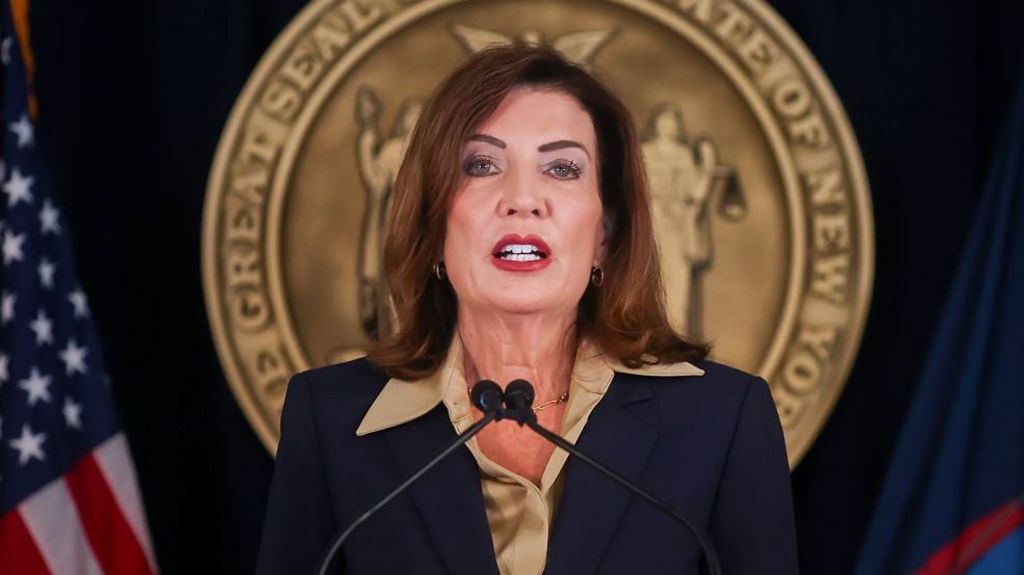
Speaking at a televised press conference on Friday, Governor Hochul delivered a scathing rebuke of the original investigation, saying the 25-year-old accuser was let down at every stage of the process by systems designed to protect survivors of sexual violence. “Jane Doe was failed at every turn by people and institutions that had a clear obligation to protect her,” Hochul said, adding that she was “deeply disturbed” by the multiple missteps uncovered during a preliminary review of the local prosecutor’s work.
The governor went on to announce that she had formally lost confidence in the ability of local District Attorney Matthew Van Houten’s office to oversee the reopened investigation, prompting her to appoint New York State Attorney General Letitia James to take over full leadership of the case. A key point of outrage for Hochul was the revelation that local prosecutors never personally interviewed Jane Doe to hear her account of the alleged assault, a failure she called unacceptable.
Alongside shaking up the investigation leadership, Hochul used the press conference to unveil plans to close a critical legal loophole in New York state law that currently hinders prosecutors from pursuing rape charges in cases where the victim voluntarily consumed alcohol or drugs before the assault. Hochul argued that even if a person chooses to drink or use drugs voluntarily, that choice does not erase the fact that they cannot give sexual consent if they are too impaired to agree to sexual activity.
“If someone is too intoxicated to consent it should not matter if they chose to use drugs or alcohol,” Hochul said. “Voluntary intoxication is not a licence for gang rape.”
Attorney General James appeared alongside the governor at Friday’s event, and pledged to conduct a thorough, impartial inquiry guided strictly by evidence and state law. “My office will leave no stone unturned – we will interview all relevant witnesses, review every piece of available evidence, and move forward with criminal prosecutions if the facts support that action,” James said.
For his part, Van Houten, the district attorney who led the original investigation, has defended his office’s original decision not to file charges, arguing that his team simply did not receive sufficient evidence to meet the strict legal threshold required to secure a criminal conviction. He added that most of the new information that has emerged in public debate over recent weeks was never shared with his office during the initial probe.
Cornell University, meanwhile, has pushed back against that claim, saying it turned over all evidence collected during its own internal investigation to the district attorney’s office. That evidence includes a controversial Snapchat group chat allegedly linked to the fraternity members accused in the case, in which the men are reported to have discussed a “free” sexual encounter with Jane Doe on the night of the alleged assault.