On Sunday, former U.S. President Donald Trump made a surprise announcement that Russia and Ukraine had reached a ceasefire agreement targeting strikes on energy infrastructure, set to take effect “effective immediately.” The announcement has since sparked widespread confusion, as neither Moscow nor Kyiv have confirmed the deal in full, leaving the status of the proposed truce unclear.
Ukrainian President Volodymyr Zelenskyy reacted to the news with noticeable skepticism, telling reporters it was “news for me” that had not been communicated to his administration through official channels. Ukrainian officials have since clarified that Kyiv would be willing to abide by such a ceasefire if Russia formally agrees to it, but no binding agreement has been finalized to date.
Russia has remained publicly silent on Trump’s announcement, with Kremlin spokesperson Dmitry Peskov only confirming that behind-the-scenes contacts are ongoing. “As soon as we have anything to say about this, we will definitely inform you,” Peskov told journalists during a daily press briefing, offering no further details.
While official Russian comment has been scarce, pro-Kremlin state media has framed Trump’s announcement as an unanticipated win for Moscow. Leading pro-government newspaper Moskovsky Komsomolets argued that the proposed ceasefire amounts to a one-sided agreement that benefits Russia alone. The outlet noted that Ukraine has already lost most of its operational oil refining capacity to repeated Russian strikes, so a halt on attacks would leave Ukraine with little left for Russia to target. By contrast, the ceasefire would prevent Ukraine from continuing its recent campaign of long-range drone strikes that have caused extensive damage to Russian oil facilities and worsened domestic fuel shortages across Russia. “In effect it’s a one-way deal that benefits us. That’s why no one here has officially rejected it,” the newspaper concluded.
Russian officials are already positioning to leverage Trump’s announcement for political gain, indicating that if Ukraine continues its strikes on Russian energy infrastructure, they will frame the attacks as harmful to U.S. economic interests and damaging to the Republican Party’s prospects in November’s midterm elections. They also plan to argue that continued Ukrainian attacks violate the recent fuel trade agreement between Trump and Russian President Vladimir Putin that allows U.S. imports of Russian diesel. While Trump has claimed the deal will lower fuel prices for American consumers, many analysts remain skeptical that the import volumes will be large enough to make any meaningful difference.
The Kremlin has made clear that it sees political advantage in Trump’s announcement, hoping that continued Ukrainian strikes on Russian energy facilities will stoke friction in Washington and lead to cuts in U.S. intelligence sharing with Kyiv and reduced arms supplies to Ukraine. Moscow has already welcomed Trump’s recent statement that “it’s time for Ukraine to get a new president,” which aligns with the Kremlin’s goal of undermining Zelenskyy’s legitimacy.
This latest ceasefire uncertainty comes amid Zelenskyy’s recent call for a 60-day ceasefire to allow Ukraine to hold its scheduled presidential elections. Russia has rejected this proposal outright. Peskov reiterated that the Kremlin claims to seek “lasting peace” but has repeatedly stated that it will not accept even a temporary cessation of hostilities. On Monday, Moscow only offered a token one-day ceasefire to allow elections, an offer that has been widely dismissed by both Kyiv and the West as a non-serious public relations stunt.
Analysts say the rejection of a meaningful ceasefire aligns with Putin’s long-stated objectives in Ukraine. With winter approaching, the Kremlin is counting on a renewed campaign of strikes against Ukrainian energy infrastructure to ratchet up pressure on Kyiv, and Russian officials have made clear they have no intention of granting Ukraine any reprieve. On Monday, Russian Foreign Minister Sergei Lavrov explicitly stated that Ukraine does not deserve the “respite” that a ceasefire would bring.
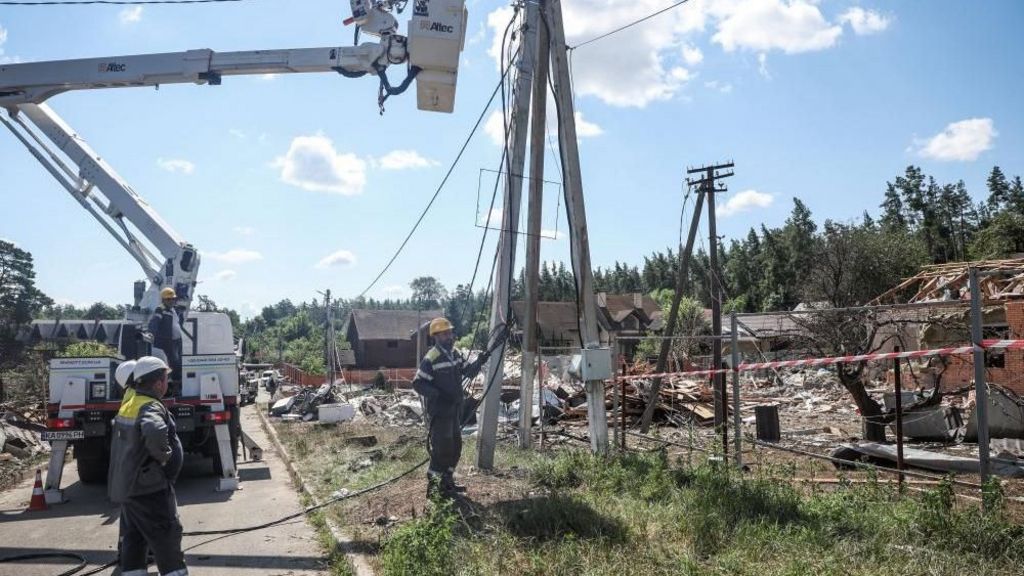
Just hours before Trump’s announcement, Zelenskyy confirmed that Russian forces had already launched new strikes on multiple energy targets across Ukraine overnight. Pro-Kremlin media has openly stated that Moscow’s goal is to use winter pressure to “knock Ukraine back to the Stone Age” and force it to accept peace on Russian terms. The Kremlin’s core objective remains unchanged: the full capitulation of Ukraine. Moscow believes that the recent diesel deal with the U.S. and Trump’s growing public impatience with Zelenskyy will help it achieve this goal faster.