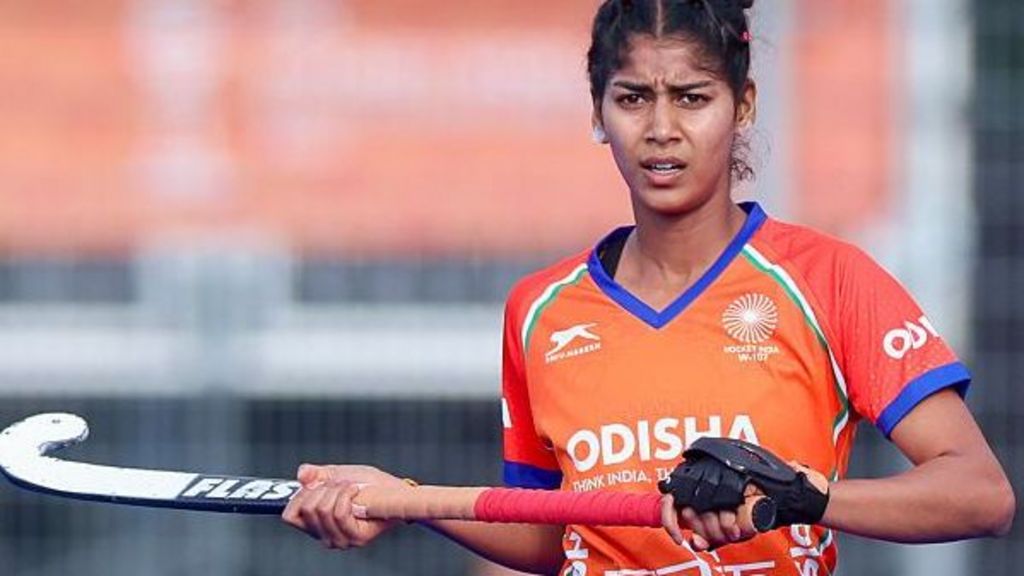
As the 2026 Asian Games in Japan prepare to kick off this Saturday, India’s women’s national hockey team carries the weight of high national expectations, with fans and analysts alike predicting the side could compete for a podium finish – and even take home the gold medal.
This wave of optimism can be traced directly back to the team’s stunning performance at the FIH Hockey World Cup held this past August. Under the leadership of captain Salima Tete and head coach Sjoerd Marijne, the side secured a fifth-place finish, their best result at the global tournament since they claimed fourth place all the way back in 1974. The standout moment of the campaign came in a tightly contested match against England, where goalkeeper Bichu Devi Kharibam made a dramatic full-stretch dive to block what looked certain to be a match-winning goal for the opposition, setting the stage for India’s eventual positive result.
This fifth-place finish marks a dramatic turnaround for a program that struggled through two years of inconsistent results and upheaval. So what has driven this sudden resurgence? Analysts and former players point to multiple interconnected changes that have reshaped the team.
Former India captain Pritam Siwach credits the shift first to the team’s vastly improved defensive discipline and elite goalkeeping. During the World Cup, India held strong sides including China, England and Australia to draws, with a strategy that prioritized limiting opposition scoring opportunities – an approach Siwach summed up as, “We may not set your house on fire, but we won’t let you set ours on fire either.”
Much of the credit for the team’s transformation has gone to head coach Marijne, a former Dutch international with deep ties to Indian hockey. Marijne previously led the team to a historic fourth-place finish at the 2021 Tokyo Olympics, but results declined sharply after his departure. He was brought back to take the top coaching role in January 2026, and has since overseen a remarkable shift in team culture.
Marijne has built a diverse, intergenerational squad that blends veteran experience with exciting young talent, and he has prioritized giving opportunities to underrated players who spent years on the fringes of the national program. The current roster draws players from across varied socioeconomic backgrounds: captain Tete, 24, grew up in a small tribal village in Jharkhand, learning the game with bamboo hockey sticks handcrafted by her father, and her versatile ability to shift between defense and attack makes her the team’s on-field backbone. Midfielder Neha Goyal first took up hockey in Haryana just to earn a decent pair of shoes and playing clothes; after her alcoholic father passed away in 2017, her mother worked in factories for years to support the family as Goyal built her professional career. The squad spans 18 years of age, from 18-year-old rookie Sakshi Rana to 36-year-old veteran midfielder Savita, creating a dynamic mix of energy and experience.
Beyond roster building, the team has also invested in specialized fitness support, adding performance scientists and other specialist staff to improve player conditioning while keeping training engaging. Former Hockey India assistant physiotherapist Bodhisattva Dass notes that the players have fully committed to the new program, putting in maximum effort to improve their physical readiness.
Marijne’s biggest focus has been building team cohesion and mutual trust off the field, through intentional team-building exercises. During the World Cup, all players wore matching red and yellow unity wristbands to reinforce their shared team identity. In training sessions, senior players took part in blindfolded drills where they were guided around the pitch by junior teammates, an activity designed to break down generational barriers and build interdependence. His approach has broken down the communication gaps that once plagued the squad; as captain Tete told Hockey India, younger players never hesitate to approach senior teammates for guidance, and veterans are always ready to offer support.
Currently ranked eighth in the global FIH rankings following their World Cup result, the team has made clear progress, but notable challenges remain. Before their June 2026 Women’s Nations Cup title win, the side endured a brutal stretch: they failed to qualify for the 2024 Paris Olympics, were relegated from the FIH Pro League in the 2025-26 season, and faced added uncertainty when former coach Harendra Singh unexpectedly resigned in December 2025.
Attacking play also remains a key area to improve. At the World Cup, India netted just 11 goals total, six of which came against South Africa; they failed to score against top sides England, the Netherlands and Australia. Journalist Norris Pritam points to poor penalty corner conversion rates as a particular issue, noting that a more aggressive attacking approach would also ease pressure on the team’s strong defensive unit.
Heading into the Asian Games, the Indian side will face tough competition from regional powerhouses China, Japan and South Korea. Multiple key players return with prior Asian Games experience from the team’s 2023 bronze medal finish, and the stakes could not be higher: a gold medal in Japan would earn India automatic direct qualification for the 2028 Los Angeles Olympics. For forward Lalremsiami, the tournament carries extra personal weight: in 2019, she was playing in Hiroshima when she learned her farmer father had passed away, and she chose to stay with the team to help secure Olympic qualifying spot, sacrificing the chance to return home for the funeral.
Analysts remain optimistic about India’s chances. Pritam notes that Marijne has instilled new confidence and camaraderie, turning the side into a tightly knit unit. “China will be the biggest rival, but if India stays focused, they can overcome the challenge,” he said.