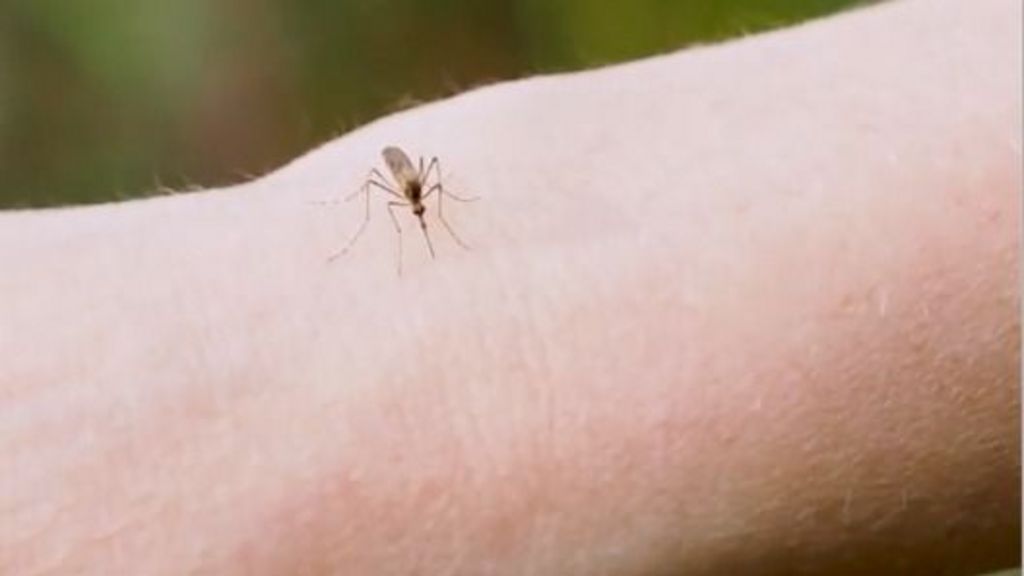
To many residents of Washington D.C., the idea of intentionally releasing thousands of mosquitoes into the capital’s urban landscape sounds like the start of a summer nightmare. However, this counterintuitive initiative is actually a carefully designed pest management strategy aimed at curbing problematic mosquito populations that carry disease and disrupt daily life.
The program focuses exclusively on releasing male mosquitoes, a detail that sets this approach apart from traditional chemical-based pest control. Unlike female mosquitoes, which require blood meals to develop their eggs and are the only ones that bite humans and animals, male mosquitoes feed solely on nectar and plant juices, posing no direct threat to people.
This method works by leveraging a naturally occurring bacteria called *Wolbachia*, which is carried by the released male mosquitoes. When these modified males mate with wild female mosquitoes that do not carry the same bacteria strain, the eggs produced from these unions do not hatch, preventing the next generation of biting females from emerging. Over time, this suppresses the overall mosquito population without the widespread use of insecticides that can harm beneficial pollinators like bees and butterflies, or leave chemical residues in the environment.
Local environmental and public health officials have emphasized that this targeted approach aligns with growing efforts to shift toward more sustainable, eco-friendly pest management practices in urban areas. By reducing reliance on chemical treatments, the initiative not only addresses nuisance mosquito populations but also supports broader biodiversity goals in the nation’s capital. While the concept may seem surprising at first glance, it represents a growing trend of using natural biological solutions to tackle common urban pest challenges.