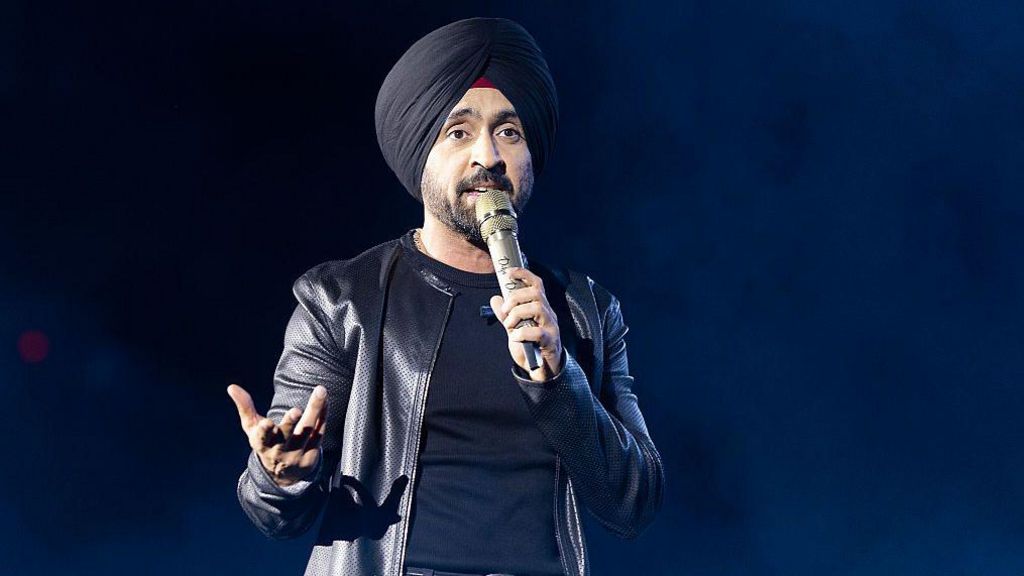
A sudden and unexpected takedown of a high-profile Indian biopic starring one of the country’s most popular entertainers has ignited widespread controversy over censorship and artistic freedom in India.
The film, *Satluj*, features Punjabi singer-actor Diljit Dosanjh in the lead role of Jaswant Singh Khalra, a human rights activist who exposed grave allegations of enforced disappearances and extrajudicial killings during the decades-long separatist insurgency in Punjab that lasted from the early 1980s to the mid-1990s. Thousands of people lost their lives in the conflict between Sikh militants fighting for an independent Khalistan state and Indian security forces. Human rights organizations have long accused security forces of systematic arbitrary detentions, secret disappearances and extrajudicial executions during the government’s counterinsurgency crackdown; authorities have repeatedly denied the allegations, arguing harsh tactics were necessary to quell the uprising.
Khalra dedicated his work to investigating claims that hundreds of victims of the crackdown were secretly cremated by officials without notifying their families or keeping official records. The activist was abducted and murdered in 1995, and multiple Punjab police officers were later convicted of their roles in his killing.
After a three-year battle to secure a public release, *Satluj* made its surprise debut on Indian streaming platform ZEE5 on June 27, 2026. Just 48 hours later, the platform removed the film from its Indian catalog, announcing it would remain unavailable “until further notice” citing unspecified “current developments” and offering no additional context. The takedown means the film is no longer accessible to viewers through any official channel in India.
The film’s journey to release has been fraught with obstacles from its completion in 2022. Originally titled *Ghallughara* — a Punjabi term referencing historic massacres of Sikhs in the 18th century — the project first hit roadblocks when India’s Central Board of Film Certification (CBFC), the government body that approves films for theatrical release, demanded the title be changed with no public explanation. It was later renamed *Punjab ’95*, referencing the year of Khalra’s abduction, and was slated to premiere at the 2023 Toronto International Film Festival before producers pulled it amid ongoing certification deadlock in India.
Director Honey Trehan revealed in previous interviews that CBFC’s objections grew steadily over years of review: what started as 21 requested edits ballooned to 127 proposed cuts, including demands to remove all references to Khalra, cut scenes depicting police violence, and alter core factual content of the biopic. Trehan said the board argued the film could spark public unrest in Punjab and challenged its portrayal of historical events. Filmmakers challenged the CBFC’s demands in Bombay High Court before eventually withdrawing their petition and agreeing to changes in a bid to move forward, only to see the list of requested alterations continue to grow.
Unable to secure theatrical certification, the producers opted to release the film directly to streaming under a third new title, *Satluj*. Unlike theatrical releases, streaming platforms in India are not required to obtain CBFC approval under the 2021 Information Technology Rules, though the regulations still allow government-ordered takedowns. Trehan confirmed at the time of release that the final version launched on ZEE5 was the film’s original cut, “without any cuts or compromises” to the creative team’s original vision.
Following the takedown, a spokesperson for production company RSVP Movies told *The Indian Express* the removal was carried out on direct government orders. India’s federal Ministry of Information and Broadcasting has not issued any public comment on the decision, and the BBC has requested a response from the ministry. The CBFC has also not publicly responded to Trehan’s accounts of its demands, and the BBC has also sought comment from the board.
In a live social media video addressing the takedown, Dosanjh said the outcome was not unexpected, but its speed still caught the team off guard. “What I had already expected is exactly what happened,” he said. “I thought the film might get banned when government offices opened on Monday, but I didn’t know it would happen as early as Sunday evening.” Dosanjh added that the long-running uncertainty about the film’s status led producers to limit promotional activity: “If we had promoted it, the film would definitely not have been released at all.” Despite the takedown, he said he was grateful that audiences finally got the chance to see the film after years of delays.
Despite being available for just two days, *Satluj* has already drawn widespread critical acclaim. *The Hollywood Reporter* called it “one of the finest Indian films of the year”, and the brief window of availability generated intense public discussion online about censorship and artistic expression in India.
In the wake of the removal, Trehan told reporters he was stunned by the latest development. “I am at a loss right now. I don’t know how to react to this development,” he said. ZEE5 has said it remains supportive of the film and its creative vision, and that it “hoped to bring it back soon” without offering a timeline for its return.