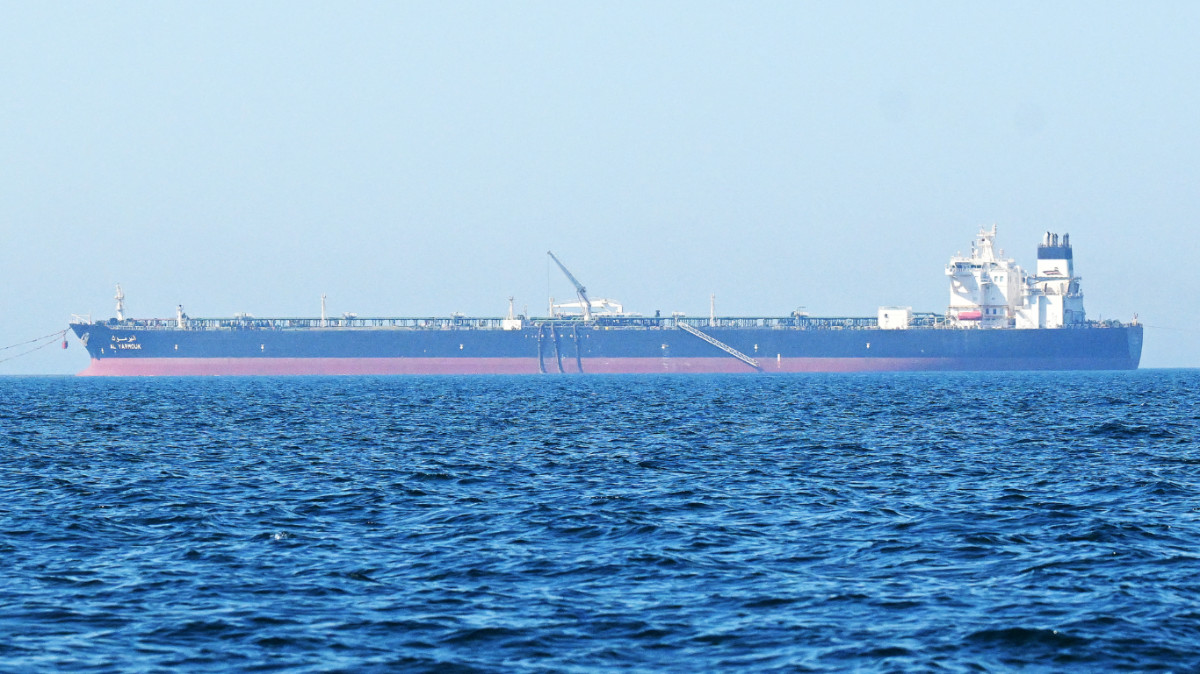
Escalating tensions in the Gulf region have triggered a major shift in US policy toward Iran, with the Trump administration announcing Tuesday it will revoke a temporary license that had eased oil sanctions on Tehran. The decision comes in direct response to a series of targeted attacks on commercial vessels operating in the strategically critical Strait of Hormuz, with both Qatar and Saudi Arabia formally blaming Iran for the incidents that have put global energy security at risk.
The sanctions waiver, which had allowed Iran to produce, export, and ship crude oil and related petroleum products through August 21, was a core compromise in ongoing negotiations aimed at reaching a permanent ceasefire to end long-running hostilities in the Middle East. The relief had represented the primary economic incentive the US extended to encourage Iranian cooperation in peace talks, a concession that had already emerged as a major sticking point in discussions between the two sides.
Within a window of just a few hours on Tuesday, three separate commercial tankers came under attack while transiting the Strait of Hormuz, one of the world’s busiest and most vital maritime chokepoints for global energy trade. Among the damaged vessels was a Qatari liquefied natural gas (LNG) tanker that was traveling off the coast of Oman when the attack occurred, according to Qatari government officials and independent maritime monitors.
In response to the incident, Qatar’s foreign ministry issued a formal condemnation, summoning Iran’s deputy ambassador to Doha to file an official diplomatic complaint. “We demand a full explanation for this unacceptable act and call on Iran to immediately cease any practices that undermine regional security, and refrain from endangering the safety of international shipping and global energy supplies,” the ministry said in an official statement. A second, Saudi-flagged crude oil tanker was also struck in the same area of the Gulf, per announcements from the Saudi foreign ministry, which also publicly blamed Iran for the assault.
While Iran has not issued any formal claim of responsibility for the attacks, it has been locked in a tense standoff with regional powers over shipping routes in the strait in recent days. Tehran has pushed back against the growing trend of commercial vessels bypassing Iranian territorial waters to use an alternative southern route through Omani territorial waters, a shift that has cut into Iranian revenue and leverage over regional maritime traffic.
In comments to AFP, a senior United States official reiterated Washington’s firm stance against Tehran’s actions in the region: “Iran’s actions in the strait were wholly unacceptable to the United States and will be met with consequences.” The revocation of the sanctions waiver quickly rippled through global energy markets, with Brent crude, the global benchmark for oil prices, surging nearly 5% in trading as investors priced in heightened geopolitical risk and potential disruptions to energy supplies.