Nearly a full year after his passing, the body of former Zambian head of state Edgar Lungu remains interred unburied in a South African mortuary, trapped in a bitter high-stakes feud that has gripped two southern African nations and drawn international attention to a long-simmering political rivalry. Lungu, 68, died on June 5 last year at a South African hospital while receiving treatment for an undisclosed illness, but what should have been a period of national mourning has devolved into a months-long legal and political standoff over where and how he will be laid to rest.
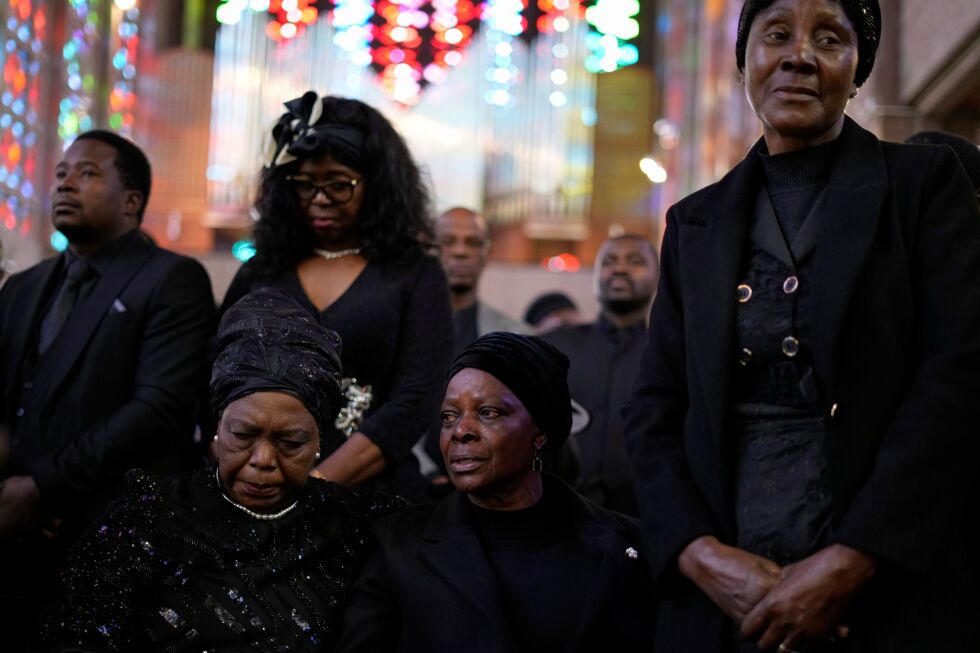
The core of the dispute stems from deep-seated animosity between Lungu’s family and current Zambian President Hakainde Hichilema, Lungu’s long-time political adversary. According to Lungu’s relatives, the former president’s explicit final wish was that Hichilema be barred from any proximity to his funeral. Citing this instruction and ongoing safety concerns rooted in their political conflict, the family has insisted on burying Lungu on South African soil, refusing government calls to repatriate the remains for an official state funeral. The Zambian government, by contrast, has argued that a state burial for a former head of state is a matter of national interest, and has already reserved a plot for Lungu at the national cemetery reserved for former Zambian leaders, which has sat empty for 10 months. The government launched a formal legal case to secure custody of Lungu’s remains shortly after his death, derailing a planned funeral service the family had organized in South Africa last June, forcing mourners in funeral attire to abandon the service and attend an emergency court hearing.
The bitter rivalry between Lungu and Hichilema stretches back more than half a decade across Zambia’s turbulent democratic landscape. The two men faced off in the tightly contested 2016 presidential election, where Lungu narrowly defeated Hichilema to retain the presidency. Just one year later, Hichilema was arrested and charged with treason after he allegedly refused to yield his vehicle to Lungu’s presidential motorcade; he spent four months in prison before the charges were dropped, following widespread international condemnation of the arrest as a politically motivated attack. When Hichilema defeated Lungu to win the 2021 presidential election, Lungu alleged that the new administration targeted him for harassment, claiming he had been effectively placed under house arrest and blocked from leaving the country to seek urgent medical care. Hichilema’s government has repeatedly denied these allegations. Ultimately, Lungu reportedly slipped away unnoticed to a local airport, purchased a last-minute ticket, and traveled to South Africa for treatment, where he died weeks later.
In the legal battle that followed, a South African court ultimately ruled in favor of the Zambian government, ordering that Lungu’s remains be turned over for repatriation by the agreed date of May 12. But a dramatic new twist erupted earlier this week, turning a simmering dispute into a full-blown constitutional and legal crisis. On Wednesday, the Zambian government announced that it had taken custody of Lungu’s body from the private Pretoria funeral home where the family had stored it, with assistance from South African law enforcement authorities, and had moved it to a separate facility ahead of repatriation. But within hours, the South African court intervened, issuing an emergency order demanding that the body be returned immediately to the family’s control. The court ruled that the early seizure of the remains constituted direct contempt of court, as it violated the court’s timeline for the handover set for May 12.
The fallout from Wednesday’s actions has set the stage for a new phase of legal confrontation. The court has ordered both Zambian government representatives and the South African authorities who assisted in moving the body to appear in court to explain why they should not face contempt of court charges. The bizarre, morbid standoff has become a subject of widespread public fascination in both Zambia and South Africa, shining a harsh spotlight on the deep political divides that continue to shape Zambia’s post-election landscape more than two years after Hichilema took power.