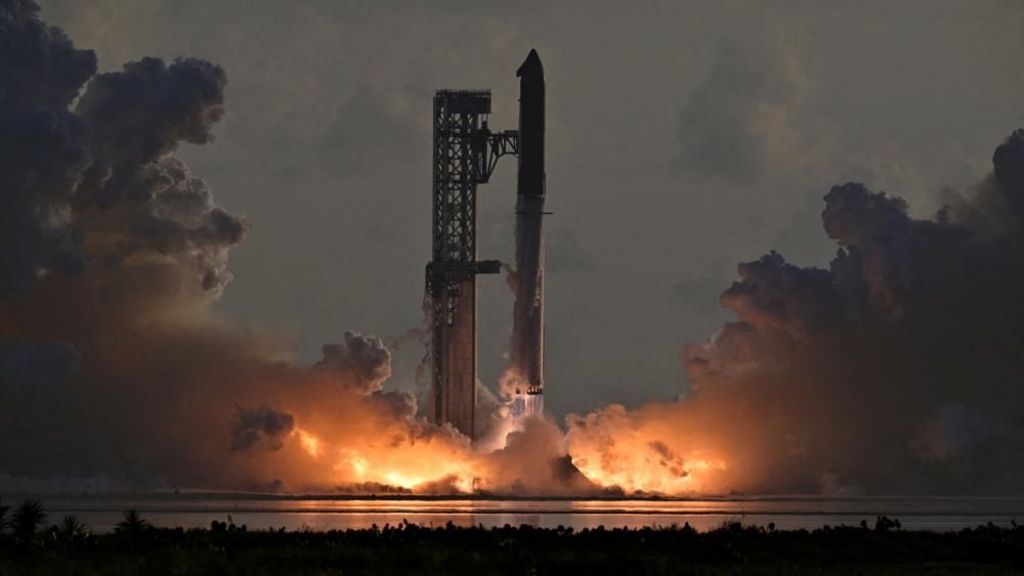
After years of iterative development and incremental testing, SpaceX has crossed a major threshold in aerospace development with the first successful orbital launch of its next-generation Starship rocket, a feat that reshapes the trajectory of global space exploration. For months prior to this breakthrough, every test flight conducted by the company on its Starship program remained confined to suborbital trajectories. In technical terms, suborbital flight means that the launch vehicle never reaches the velocity and altitude required to complete a full, sustained orbit around Earth, capping the scope of each test at short, controlled bursts into the upper atmosphere rather than full orbital insertion. This first successful orbital launch marks a defining turning point for the program, which SpaceX has designed to carry crew and cargo to deep space destinations including the Moon, Mars, and beyond. Industry observers note that this achievement clears one of the largest technical hurdles standing between the company and its long-term goals of enabling interplanetary human travel, while also opening new possibilities for heavy-lift launch applications in low-Earth orbit, from satellite deployment to potential point-to-point travel on Earth. Leading aerospace engineers have emphasized that successful orbital insertion is a critical validation of Starship’s advanced design, which includes a fully reusable first and second stage – a innovation that could drastically cut the cost of access to space in the coming years. As data from the test flight continues to be analyzed by SpaceX’s engineering team, the milestone has already sparked renewed global interest in the next era of commercial space exploration.