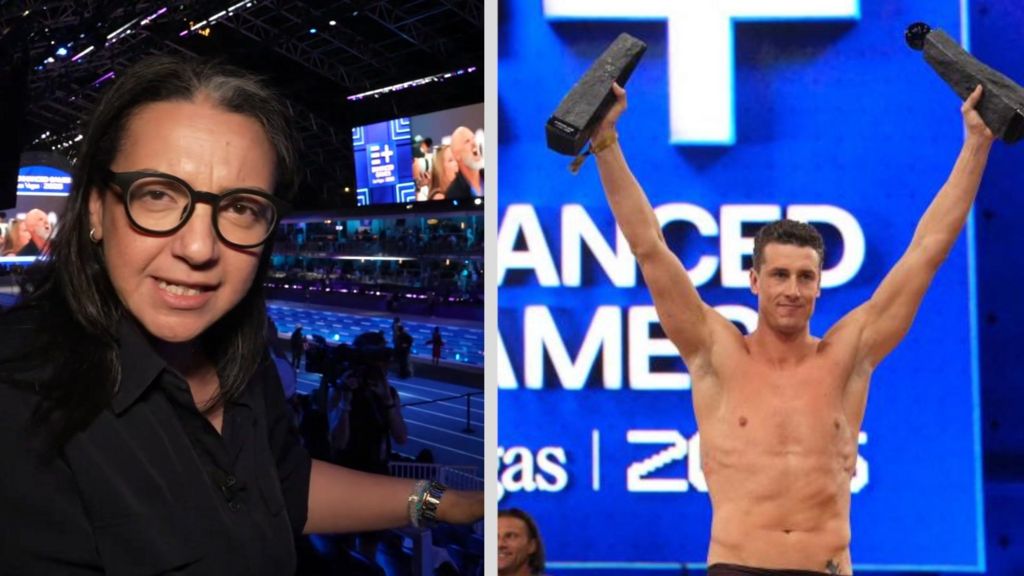
A groundbreaking moment at the controversial Enhanced Games has turned into a dispute over sporting legitimacy, after officials confirmed a new world mark set by Greek swimmer Kristian Gkolomeev will not receive formal recognition from any mainstream global sports governing bodies.
The Enhanced Games, an event that has sparked fierce debate across the international athletic community, permits competitors to use performance-enhancing substances that are strictly banned under traditional anti-doping regulations. This core stance puts the competition in direct conflict with the long-standing rules and ethical frameworks established by leading international sports organizations.
BBC correspondent Shaimaa Khalil has detailed the structural conflict that led to the automatic rejection of Gkolomeev’s record. Even though the Greek athlete delivered an impressive performance that surpassed existing global standards, the unauthorised status of the Enhanced Games means official bodies cannot acknowledge the result as a valid world record under their by-laws.
The decision has reignited long-running conversations about the future of clean sport, the line between innovation and fairness in elite competition, and how governing bodies should respond to emerging alternative sporting events that challenge established anti-doping norms. While supporters of the Enhanced Games frame it as a progressive reimagining of elite athletics, traditional governing bodies have remained firm in protecting the integrity of drug-free competition, leaving records set at the alternative event outside the bounds of official recognition.