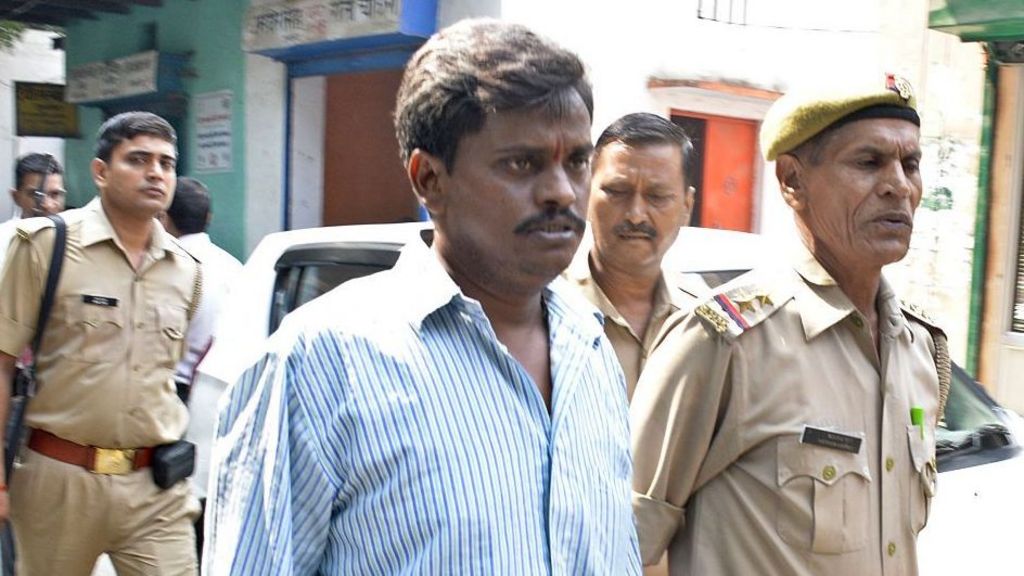
Months after walking free from a 19-year imprisonment tied to one of India’s most horrific serial murder cases, 50-year-old Surinder Koli has been found dead in a northern Indian town, multiple Indian media outlets have confirmed. Koli was discovered hanging inside the small rented tea stall he had been operating in Haridwar, a city located in Uttarakhand state, on Friday morning. Local law enforcement has recovered his body and officially opened an investigation into the circumstances of his death, with no suicide note located at the scene, according to reporting from Indian outlet NDTV. The BBC has reached out to police officials to request additional comment on the ongoing probe.
The shocking case that tied Koli to the murders dates back to 2006, when the remains of 19 women and children were unearthed near a residential bungalow in Nithari, a semi-rural village on the outskirts of India’s capital New Delhi. The discovery sparked immediate, widespread national outrage, with critics raising sharp questions about whether local law enforcement had failed to act on repeated missing person complaints filed by grieving family members of the victims. Most of the victims came from low-income migrant families that had settled in the working-class area surrounding the bungalow, which was owned by local businessman Moninder Singh Pandher, Koli’s employer at the time.
Following the recovery of the remains, both Koli and Pandher were taken into custody in late 2006. Indian authorities alleged that the killings were carried out at the bungalow, where Koli worked as a household servant. The Central Bureau of Investigation (CBI), India’s top federal investigative agency, ultimately brought a total of 19 separate criminal cases against the two men. Koli was charged with a raft of serious offenses including murder, kidnapping, rape, and evidence tampering, while Pandher faced charges linked to immoral human trafficking.
Over the course of the lengthy legal process that followed, courts ultimately threw out the majority of the convictions and charges against both men. In 2023, the Allahabad High Court acquitted Koli in 12 of the murder cases, and Pandher was also cleared of charges in two cases and released from custody that same year. In November 2024, India’s Supreme Court delivered the final acquittal for Koli, ruling that the confession that had been central to the prosecution’s case—including unsubstantiated claims of cannibalism and necrophilia—had been improperly extracted through torture. With all charges against him dismissed, Koli was released from prison after spending 19 years behind bars.
After his release, Koli relocated to Haridwar, where he rented and opened a small tea stall to earn a living, reportedly living and working at the site for several months before his death was discovered Friday.