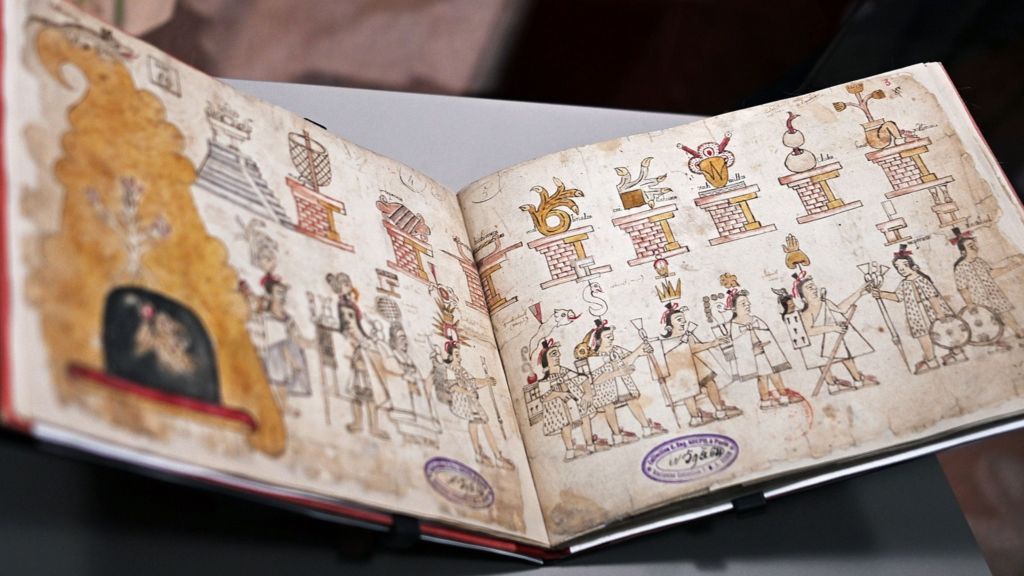
After nearly two centuries kept outside of Mexico, one of the most culturally significant surviving documents detailing Aztec history has finally come home. The centuries-old Aztec codex, a rare hand-drawn manuscript that chronicles the rise of the Aztec civilization and its eventual collapse following the invasion of Spanish conquistadors, is now on public exhibition across Mexico for the first time in 186 years.
Across the country, people from all walks of life have gathered to celebrate this long-awaited homecoming, with many describing the codex’s return as a major milestone for reclaiming indigenous Mexican cultural heritage. For generations, the codex remained in the hands of European collections, out of reach for Mexican scholars and the general public who have long sought to study and connect with their pre-colonial history directly.
The landmark exhibition marks a historic moment, allowing Mexicans to engage firsthand with a primary source that captures the complexity, traditions, and tragic final chapter of Aztec society following European contact. Cultural officials and indigenous leaders alike have emphasized that the display is more than a cultural event — it is a step toward correcting historical erasure and centering indigenous narratives in modern Mexican cultural identity. Visitors are already lining up at exhibition venues to get a rare look at the ancient manuscript, with many sharing that seeing the codex in person offers a profound, personal connection to their country’s earliest history.