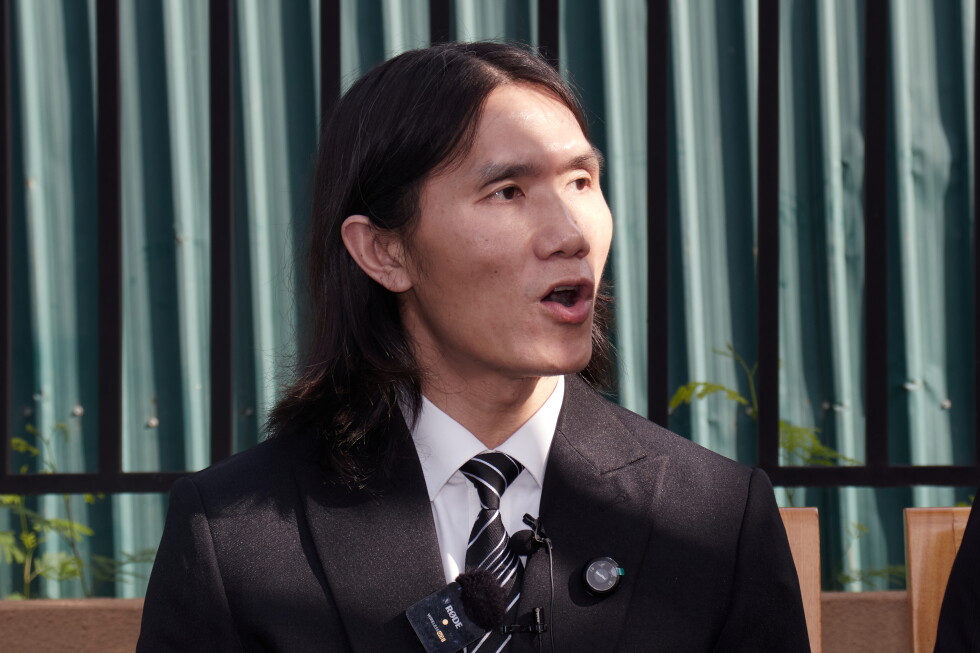
JUBA, South Sudan – More than a year after being transferred to South Sudan as part of the former Trump administration’s divisive third-country deportation initiative, a Vietnamese national has finally returned to his home country, shedding new light on the opaque and widely criticized program that resettles non-U.S. citizens with completed criminal sentences in third-party African nations.
Forty-four-year-old Tuan Phan, who moved to the United States as a child in 1991, was formally repatriated to Vietnam on Friday, South Sudan’s Ministry of Foreign Affairs confirmed during a weekly press briefing. Spokesperson Agok Anyar noted that throughout his more than 12 months in South Sudanese custody, Phan maintained good conduct and remained in stable health, for which the ministry expressed gratitude.
Phan’s journey to Juba was tangled in legal dispute from the start. He and seven other male deportees were first rerouted to a U.S. military base in Djibouti in May 2025, after a federal judge paused their flight to South Sudan over documented procedural violations in their deportation orders. It was not until a Supreme Court ruling cleared the way for their removal that the group finally arrived in South Sudan’s capital aboard a U.S. military aircraft two months later.
All eight men had already served full prison sentences for U.S. criminal convictions when Immigration and Customs Enforcement took them into immigration custody last year. Phan’s conviction dates back to 2000, shortly after he turned 18, when he was sentenced to 25 years in prison for a fatal shooting during a gang altercation. His deportation was first ordered in 2009, and he was taken directly into ICE custody upon his release from prison in March 2025.
The third-country deportation program, negotiated by the Trump administration, has secured agreements from at least seven African nations to accept deportees who are not their native citizens, in exchange for millions of dollars in U.S. financial assistance. Monitoring group Third Country Deportation Watch estimates that more than 180 people have been transferred to these participating nations to date.
The decision to place deportees in South Sudan has drawn particularly sharp condemnation from human rights groups, due to the country’s well-documented poor human rights record, systemic widespread corruption, and escalating political instability. United Nations data confirms that ongoing armed conflict in South Sudan displaced over half a million people in 2025 alone, creating a fragile humanitarian crisis across much of the country.
A U.S. Senate investigation into the conditions of the South Sudan transfers found that the eight deportees were held in a walled, gated residential compound under constant armed guard. The report also documented that for months, no independent observers outside of South Sudanese government officials had access to the group, with a congressional aide becoming the first external visitor during a trip to Juba late last year.
Michael Bochenek, senior counsel for global human rights nonprofit Human Rights Watch, emphasized that the lack of independent access creates dangerous gaps in oversight. “There’s been no independent check on people’s treatment and conditions of confinement, and this raises serious questions about South Sudan’s compliance with human rights norms and essential safeguards against abuses in detention,” Bochenek explained.
Unlike publicized agreements with other participating African nations, the full terms of the U.S. deal with South Sudan remain undisclosed. Declassified State Department records do show that South Sudan submitted specific requests to U.S. officials after agreeing to accept the deportees, including demands for sanctions relief for a former senior government official and U.S. support for the prosecution of a high-profile opposition leader. It remains unclear what financial or other concessions the U.S. provided to South Sudan’s government in exchange for accepting the group.
Phan is the second member of the eight-person group to leave South Sudan for repatriation. Jesus Munõz-Gutierrez, a Mexican national in the group, was returned to Mexico in September. Dian Peter Domach, the only South Sudanese citizen among the eight, was released from custody immediately upon arrival. The four remaining deportees are nationals of Cuba, Myanmar, and Laos, and their future status remains unclear.