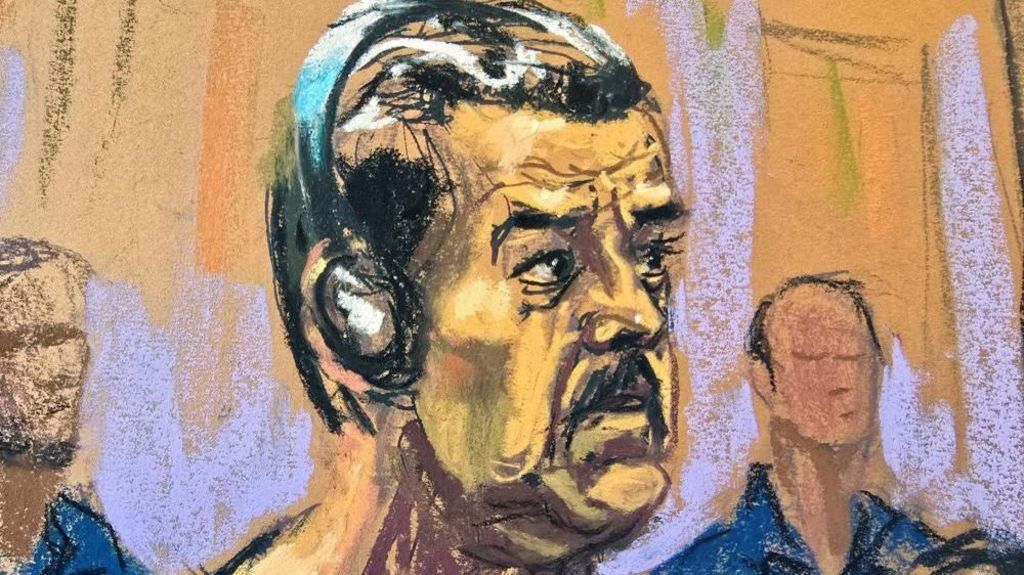
In a major development in the long-running legal case against Venezuela’s ousted former president Nicolás Maduro, U.S. federal prosecutors unveiled new conspiracy to commit torture charges against Maduro and his wife, former first lady Cilia Flores, on Thursday. The charges add to existing narcotics trafficking and weapons-related accusations that the couple have repeatedly denied since they were taken into U.S. custody earlier this year. According to court documents, Maduro, 63, and Flores, 69, have been held at a maximum-security detention facility in Brooklyn, New York, since January, immediately following a pre-dawn U.S. special operations raid on their Caracas compound that resulted in their seizure. Prosecutors confirmed on Thursday that Flores has also been added to the original narco-terrorism indictment filed against Maduro last year, expanding the scope of the government’s case ahead of the pair’s scheduled 2027 trial. The new charges center on allegations that the couple oversaw a systemic campaign of violence and abuse against detainees during Maduro’s 14-year tenure in power, including multiple U.S. citizens held in Venezuelan custody. The unsealed superseding indictment claims the pair built their grip on power through a widespread repressive apparatus that targeted political opposition members, carried out arbitrary mass arrests, and systematized torture against detainees. Prosecutors detailed a litany of brutal abuses outlined in the indictment, including electric shock, asphyxiation, sexual violence, forced nudity, prolonged solitary confinement, deliberate starvation, abusive confinement in overcrowded punishment cells, and systematic psychological torture that included explicit threats to murder detainees’ family members, including minor children. “All of this was done to ensure that Maduro and Flores retained their power,” prosecutors told reporters outside the federal courthouse Thursday. “This conduct… has caused significant harm to Americans, to U.S. citizens,” they added, describing the alleged pattern of abuse as “the epitome of corruption.” Prosecutors specifically accuse Flores of playing a central coordinating role in building the repressive state system, personally ordering the torture of targeted detainees and receiving regular updates on the abuse of specific prisoners. Court documents allege Flores authorized these abuses to protect family members linked to known illegal criminal operations. The new allegations published Thursday align with long-documented accounts from former political prisoners who were detained under Maduro’s administration. Earlier this year, Javier Tarazona, director of a Venezuelan human rights organization, described to BBC Mundo how he and his brother were confined to a tiny punishment cell for 46 consecutive days following their arbitrary arrest. Another former inmate, Ángel Godoy, told the outlet he was held in complete isolation for months, barred from communicating with his wife who was never informed of his location or condition while he was detained. Maduro’s defense attorney, Barry J. Pollack, reiterated his client’s position Thursday, stating that Maduro denies the new charges fully and is prepared to contest the accusations in court. Thursday also saw a federal judge deny Flores’ recent motion to be transferred from the Brooklyn detention center to house arrest ahead of trial, meaning both defendants will remain in pre-trial detention through the coming years. The pair’s joint trial is currently scheduled to open in June 2027. Following Maduro’s ouster in January, his former vice president Delcy Rodríguez was sworn in as interim president with formal backing from the United States. While hundreds of political prisoners have been released under a new national amnesty law passed since Rodríguez took office, prisoners’ rights organization Foro Penal reports that more than 300 political detainees remain in Venezuelan custody as of mid-2024. The allegations of ongoing abuse have drawn international scrutiny: United Nations High Commissioner for Human Rights Volker Türk warned in March that his office has continued to receive credible reports of detainee torture in Venezuela even after Maduro’s removal from power. Türk noted that “structural and systemic human rights concerns” have persisted in the country despite the political transition. Venezuela’s acting foreign ministry rejected the UN official’s comments shortly after they were delivered, accusing Türk of repeating a political agenda pushed by U.S.-aligned extremist groups.
Venezuela’s ex-leader Nicolás Maduro charged with conspiracy to commit torture