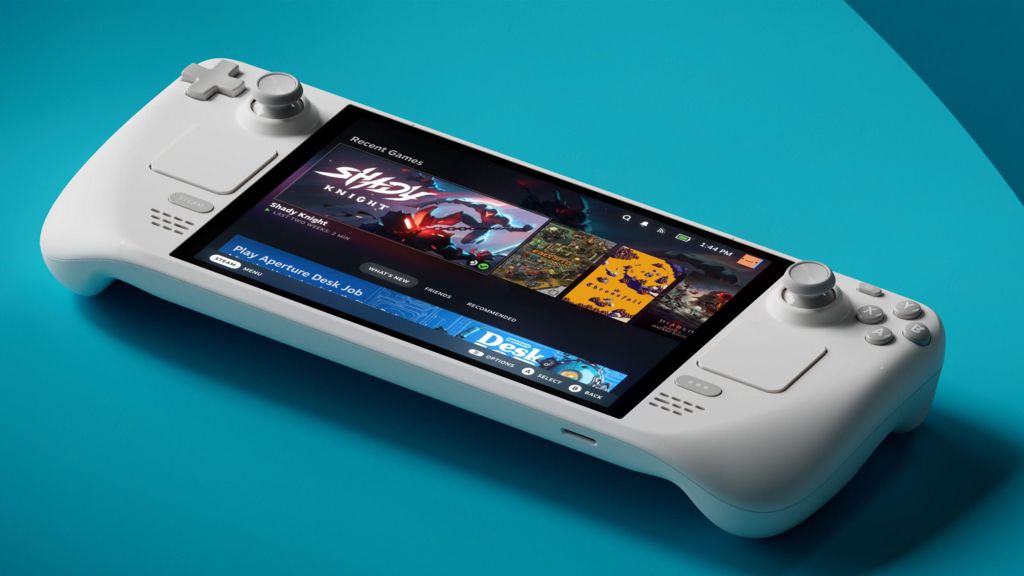
Gaming technology leader Valve has sent shockwaves through the handheld gaming community with a dramatic price increase for its two Steam Deck OLED models, a move that echoes broader cost pressures rippling across the global gaming hardware sector.
Citing soaring memory and storage component expenses, the company has raised prices by more than 40% across both OLED variants, adding up to nearly £200 to the top-tier model’s retail cost. The mid-range 512GB Steam Deck OLED, the newer upgraded-display handheld that replaced Valve’s original LCD model, will now retail for $789 (£649 / €779) — a 43% jump that adds £170 to its previous price tag. The high-end 1TB model, meanwhile, now costs $949 (£779 / €919), marking a 46% increase of £210.
In an official blog post announcing the changes, Valve clarified that no hardware upgrades accompanied the price adjustment. The company framed the move as a necessary response to “the current state of component costs and other global logistical challenges across the industry as a whole.” Valve discontinued direct sales of its cheaper original LCD Steam Deck models months ago, meaning consumers purchasing directly from the brand now only have access to the higher-priced OLED lineup, which had already faced extended months-long stock shortages prior to the announcement.
The news has been met with widespread disappointment from casual and enthusiast gamers alike. “There goes my hopes of ever getting an OLED,” one frustrated gamer posted online in response to the hike. Beyond the immediate impact on Steam Deck customers, the price increase has also fueled speculation about the future of Valve’s highly anticipated unannounced Steam Machine gaming desktop, which still lacks a confirmed release date or official pricing.
Valve’s latest product launch also stirred division among consumers recently: the company’s reintroduced official Steam Controller, priced at £85, already drew criticism from gamers who deemed the cost too high for the accessory. Industry analysts warn the price pressures that forced the Steam Deck hike could put Valve’s upcoming project in jeopardy. Chris Scullion, deputy editor of industry outlet Video Games Chronicle, told the BBC that spiking RAM costs, a core component in all modern computing devices, means the Steam Machine “could end up being so expensive to manufacture that Valve might even reconsider releasing it at all.” Instead, Scullion suggested Valve could opt to delay launch “until the situation is hopefully resolved.”
Valve’s price adjustment is far from an isolated incident. The global gaming industry has seen a wave of hardware and subscription price hikes over the past year, with major brands consistently pointing to overlapping economic pressures: rising hardware tariffs, persistent global inflation, and ongoing widespread shortages of RAM, driven in large part by explosive growth in AI-powered data centers, which consume massive volumes of memory chips to operate.
In March, Sony became one of the first major console makers to announce steep increases, raising PlayStation 5 prices by £90 in the UK and $100 in the U.S., citing “continued pressures in the global economic landscape.” That same month, the company also hiked PlayStation Plus subscription prices across multiple regions, blaming shifting market conditions. More recently, Nintendo confirmed it will raise global prices for its upcoming Switch 2 console starting this September: the device will jump from $449.99 to $499.99 in the U.S., and from €469.99 to €499.99 across most of Europe, with a revised UK price still pending announcement.
Not all brands have followed the upward price trend, however. Microsoft’s Xbox division bucked the industry pattern recently by cutting prices for its Game Pass subscription service, a move that came at the cost of eliminating day-one launch access for new Call of Duty titles, the franchise Microsoft acquired in its 2023 Activision Blizzard purchase.
As component costs continue to reshape pricing across the gaming sector, consumers and industry observers alike are watching closely to see how upcoming unannounced hardware launches will be affected by ongoing market volatility.