MILAN, Italy – A sudden and tragic lightning strike has claimed the life of a 29-year-old American hiker on Sicily’s iconic Mount Etna, a site that has been roiled by ongoing volcanic activity that forced large swathes of the volcano to be closed off to the public, Italian fire brigade officials confirmed in a statement released Monday.
The victim, a resident of Kansas whose identity has not been made public at this stage, was hit by the bolt Sunday evening while trekking across an open, exposed stretch of the volcano that sits above the alpine tree line. Emergency responders deployed a rescue helicopter to reach the isolated site and extract the injured hiker, but medical teams pronounced him dead shortly after the incident.
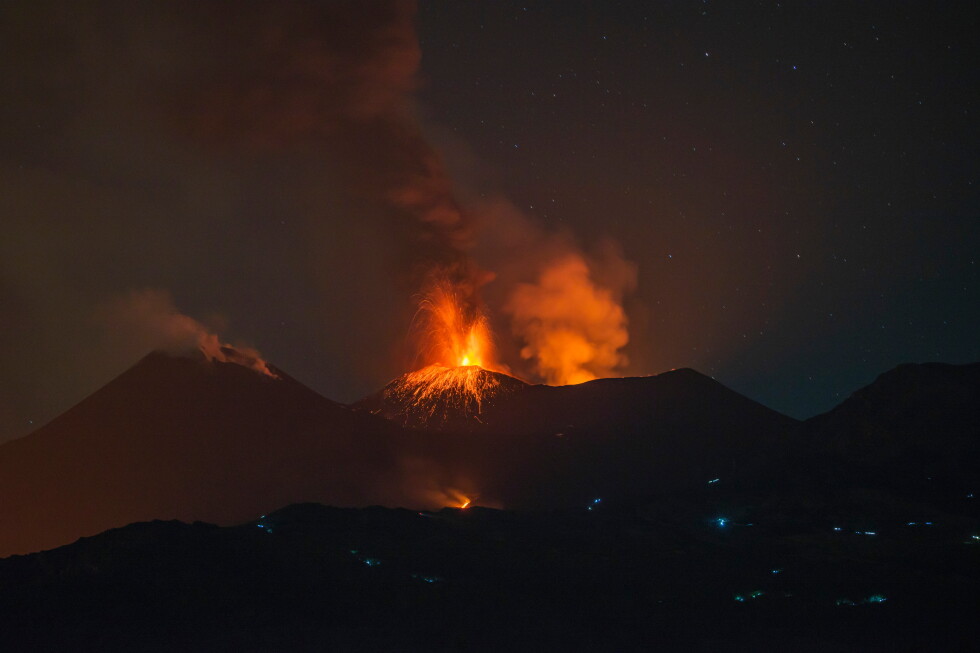
Mount Etna, Europe’s most consistently active volcano, has seen an extended period of volcanic unrest in recent weeks. This heightened activity prompted authorities to cordon off large sections of the volcano’s slopes from hikers and other visitors, and it also forced the temporary shutdown of Catania Fontanarossa Airport, the main air hub serving eastern Sicily, for the majority of last week.
What many casual visitors to the popular hiking destination do not realize, however, is that lightning strikes have historically posed a greater threat to life on Mount Etna than volcanic eruptions themselves. Local officials note that over the past several decades, more people have lost their lives to lightning strikes on the volcano than to direct impacts from volcanic activity. The last fatalities linked directly to an eruption on Mount Etna date back to 1987, underscoring the underrecognized risk of storm-related hazards on the peak.