Diplomatic relations between the United States and South Africa have plunged to a new low after the Trump administration announced sweeping visa restrictions against South African individuals it accuses of perpetrating racial discrimination against the country’s white Afrikaner minority, marking the latest escalation in a months-long downward spiral in ties between the two nations.
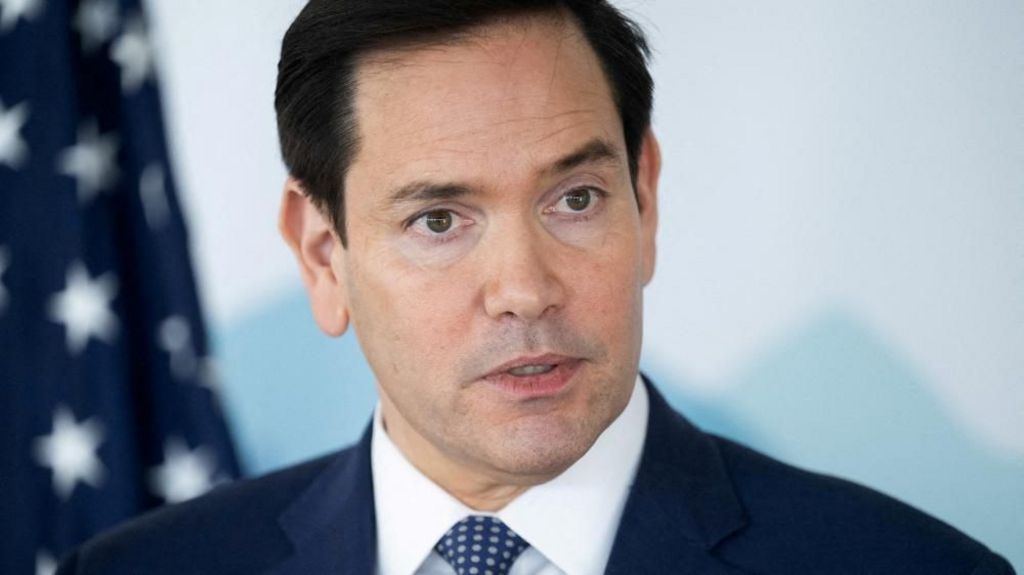
Secretary of State Marco Rubio made the announcement official in a formal statement released Tuesday, confirming that the entry ban will target individuals linked to what Washington describes as race-based discrimination, violent incitement, and uncompensated land expropriation under South Africa’s post-apartheid land reform policy. Rubio did not publicly name any specific individuals covered by the restrictions, but emphasized that the South African government has failed to meaningfully address longstanding concerns raised by the US over its domestic racial and land policies.
“The South African government has not adequately addressed the previously laid out concerns,” Rubio said in the statement. In a separate social media commentary released the same day, he doubled down on the US’s position, accusing Pretoria of pursuing deliberate “racial grievance against the Afrikaner minority” and arguing that individuals responsible for these alleged injustices “have no place in the United States.” He added that the actions targeted by the new restrictions undermine “peace, economic stability and the rule of law” in South Africa, and that “the United States will not allow such behaviour to go unchecked.”
The dispute between the two countries centers on South Africa’s landmark 2025 land reform legislation, which codifies the government’s authority to expropriate property for public interest purposes, including redressing apartheid-era land dispossession. Under the law, compensation can be set at zero in limited, specific cases, though it mandates that authorities negotiate with landowners in nearly all scenarios and allows affected parties to challenge expropriation decisions in court. White South Africans, who make up just over 7% of the country’s population, still hold the majority of private farmland, a legacy of apartheid policies that systematically displaced Black South Africans from their land over decades of minority rule. The Ramaphosa administration has repeatedly stated that the reform is a necessary step to correct historical injustice, and that the law does not permit arbitrary land seizures.
Long running tensions between Washington and Pretoria intensified shortly after Donald Trump returned to the US presidency early last year, when Trump announced he would offer refugee status to Afrikaners claiming to face persecution, repeating unsubstantiated claims of a so-called “white genocide” in South Africa that independent researchers and South African crime statistics have thoroughly discredited. South African government data shows no evidence that white South Africans are disproportionately targeted by violent crime compared to other racial groups.
Since that announcement, relations have steadily deteriorated: Trump has cut US development aid to South Africa, expelled the country’s top ambassador to Washington, and most recently imposed 30% tariffs on South African exports to the US in August, the highest tariff rate applied to any sub-Saharan African nation. South African leaders have made multiple attempts to de-escalate tensions, including a high-profile May visit by President Cyril Ramaphosa to the White House, where he brought a cross-racial delegation that included white members of his ruling coalition and prominent white South African public figures. But the meeting collapsed into open confrontation when Trump unexpectedly raised the discredited claims of mass violence against white farmers, leaving bilateral ties no closer to repair.
In comments Tuesday, the US Embassy in Pretoria said that Washington had exhausted diplomatic channels to resolve the dispute, and accused the South African government of failing to uphold commitments to constructive bilateral engagement. Officials confirmed the new visa restrictions are only the first in a series of escalating punitive measures, warning that additional actions will follow if Pretoria does not change its policies. As of Wednesday, the South African government has not issued a formal response to the latest US restrictions. The entry ban is being implemented under a longstanding provision of US immigration law that grants the Secretary of State authority to bar foreign nationals whose entry is deemed harmful to US foreign policy interests.