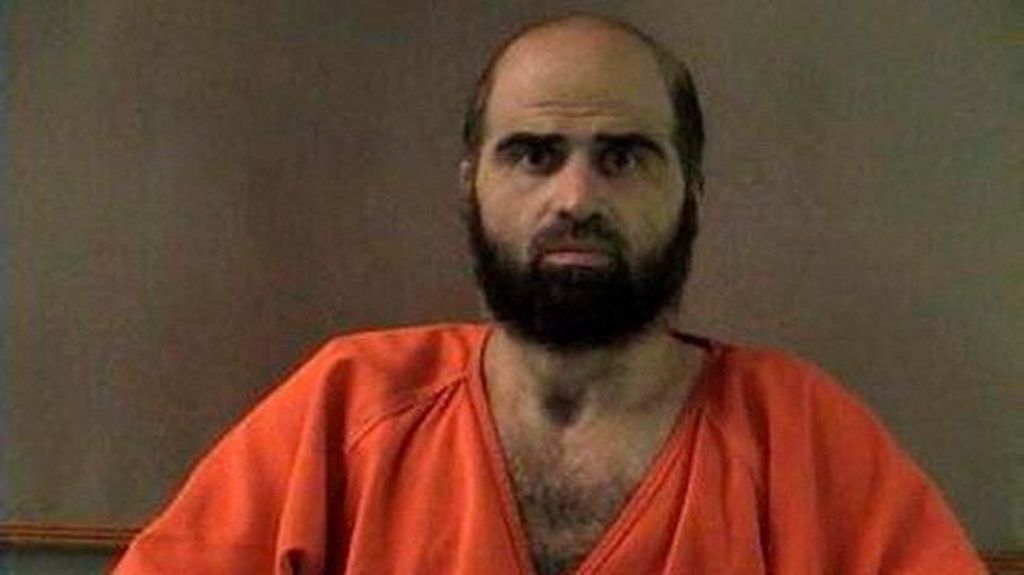
A fierce national debate over capital punishment and transparency has erupted in Washington after the Trump administration revealed plans to potentially livestream the upcoming execution of Nidal Hasan, the former US Army Major convicted of the 2009 Fort Hood mass shooting that left 13 service members dead and 32 others injured.
Hasan, who admitted carrying out the attack to claim he was protecting Muslims and the Taliban from US military operations, is scheduled to be executed by firing squad this December. This execution will mark the first military execution carried out by the United States since 1961, and the first military execution by firing squad since the end of World War II. If the livestream plan moves forward, it will be the first public execution broadcast to the American public in nearly 100 years.
Last week, Defense Secretary Pete Hegseth confirmed the administration’s livestream proposal, which drew immediate bipartisan condemnation from lawmakers, security experts, and academics who warn the move carries dangerous national security risks and violates core American standards of justice. Critics across the political spectrum argue that broadcasting Hasan’s death would grant him the status of a martyr for extremist causes, create a powerful propaganda tool for terrorist organizations, and fuel radicalization that could put American personnel and civilians overseas in increased danger.
Alaska’s Republican Senator Lisa Murkowski called the plan “gruesome”, writing on social platform X that public broadcast of an execution is something “I would expect from terrorists and dictators, but not here in America”. She emphasized that the process of carrying out justice matters just as much as the final verdict itself, noting that Hasan does not deserve the additional notoriety he would gain from a public livestream. Virginia Democratic Senator Mark Warner echoed these concerns, adding that beyond deep moral objections, the plan creates avoidable national security threats that put Americans at home and abroad at risk.
President Donald Trump has already confirmed he signed off on Hasan’s execution and supports the idea of a livestream, though administration officials note a final official decision on the broadcast has not yet been made. Appearing on CBS’s *Face the Nation* on Sunday, Department of Homeland Security Secretary Markwayne Mullin defended the proposal, pushing back against all warnings of elevated national security risk.
Mullin told host Margaret Brennan that his department had already completed a full assessment of potential risks associated with the livestream, and he saw no reason to block the broadcast. “I don’t see an elevated risk,” Mullin stated. “I think people need to understand that if you attack America, we will come after you, and we will make sure that the punishment fits the crime.” The DHS secretary added that he has no sympathy for Hasan, who killed 13 of his fellow service members, and that he gives no consideration to debates over the manner of Hasan’s death.